What is Recycling and Why It Matters in 2026
This guide covers everything about what is recycling and why is it important. Recycling is the fundamental process of transforming waste materials into new products. As of May 2026, its role in safeguarding our planet and economy has never been more critical. It’s not just about diverting trash from landfills; it’s a cornerstone of responsible resource management and a vital step toward a more sustainable future.
Last updated: May 1, 2026
- Recycling converts waste into new materials, conserving natural resources and reducing the need for raw material extraction.
- It significantly lowers greenhouse gas emissions by reducing energy consumption compared to manufacturing from virgin materials.
- Recycling benefits the economy by creating jobs in collection, processing, and manufacturing sectors.
- Diverting waste from landfills extends their lifespan and minimizes soil and water contamination.
- Effective recycling requires understanding local guidelines and proper sorting of materials.
The Core Concept: What Exactly is Recycling?
At its heart, recycling is a system designed to recover and reprocess discarded materials, giving them a new life. This process typically involves collecting, sorting, processing, and then manufacturing these materials into new goods. It’s a crucial component of waste management, aiming to close the loop on product lifecycles.
For instance, instead of a plastic bottle ending up in a landfill for centuries, it can be collected, shredded, melted, and reformed into new bottles, fibers for clothing, or even furniture. This transformation is what makes recycling a powerful tool for sustainability.
Practical Insight: Always check your local municipality’s guidelines, as acceptable materials and sorting methods can vary significantly by location.
Why Recycling is Paramount for Environmental Health
The environmental benefits of recycling are profound and far-reaching. By using recycled materials, we dramatically reduce the need to extract virgin resources like timber, minerals, and fossil fuels. This extraction process often leads to habitat destruction, soil erosion, and significant water pollution.
And, manufacturing products from recycled materials generally requires far less energy than producing them from raw components. For example, making aluminum cans from recycled aluminum uses about 95% less energy than creating them from bauxite ore. According to the U.S. Environmental Protection Agency (EPA) (2023), recycling and composting prevented over 94 million tons of material from being disposed of in 2026, highlighting its massive impact.
Practical Insight: Small actions, like rinsing containers before recycling, can improve the quality of recycled materials and reduce contamination, making the process more efficient.
Economic Advantages: Recycling Fuels Growth
Beyond its environmental advantages, recycling is a significant economic driver. The recycling industry supports jobs across various sectors: collection services, processing facilities, and manufacturing plants that use recycled content. These jobs are often local, contributing directly to community economies.
According to industry reports, the recycling and reuse industry in the U.S. supports hundreds of thousands of jobs. These roles span from truck drivers and sorters to engineers and factory workers. The value of recycled materials as commodities also contributes to economic activity, as they become feedstock for new production.
Practical Insight: Supporting businesses that use recycled content in their products can further boost the economic benefits of recycling, creating demand for these materials.
Resource Conservation: A Sustainable Future Starts Here
Recycling is intrinsically linked to resource conservation. Our planet’s natural resources are finite. By recycling materials like paper, glass, metal, and plastic, we extend the life of these resources and reduce our reliance on mining, logging, and drilling.
Consider paper recycling: it saves trees, water, and energy. Recycling one ton of paper can save 17 trees, 7,000 gallons of water, and enough energy to power the average American home for six months. This principle applies across all recyclable materials, making conservation a direct outcome of effective recycling programs.
Practical Insight: Embracing a mindset, where we prioritize reducing consumption and reusing items before recycling, amplifies resource conservation efforts.
Landfill Diversion: Extending the Life of Our Waste Sites
Landfills are a necessary part of waste management, but their capacity is limited. Recycling plays a critical role in diverting vast quantities of waste away from these sites. This diversion not only conserves valuable land but also significantly reduces the environmental risks associated with landfills.
As of May 2026, many municipalities face challenges with landfill capacity. Diverting recyclables means less waste is buried, which in turn reduces the potential for leachate (toxic liquid runoff) to contaminate soil and groundwater. It also minimizes the production of methane, a potent greenhouse gas released from decomposing organic waste in landfills.
Practical Insight: Understanding what can and can’t be recycled locally is crucial to avoid “wishcycling”—placing non-recyclable items in recycling bins, which contaminates the stream and often results in the entire batch being sent to landfill.
How Recycling Works: From Bin to New Product
The recycling process, while varying slightly for different materials, follows a general path:
- Collection: Recyclable materials are gathered from homes, businesses, and public spaces, typically through curbside pickup or drop-off centers.
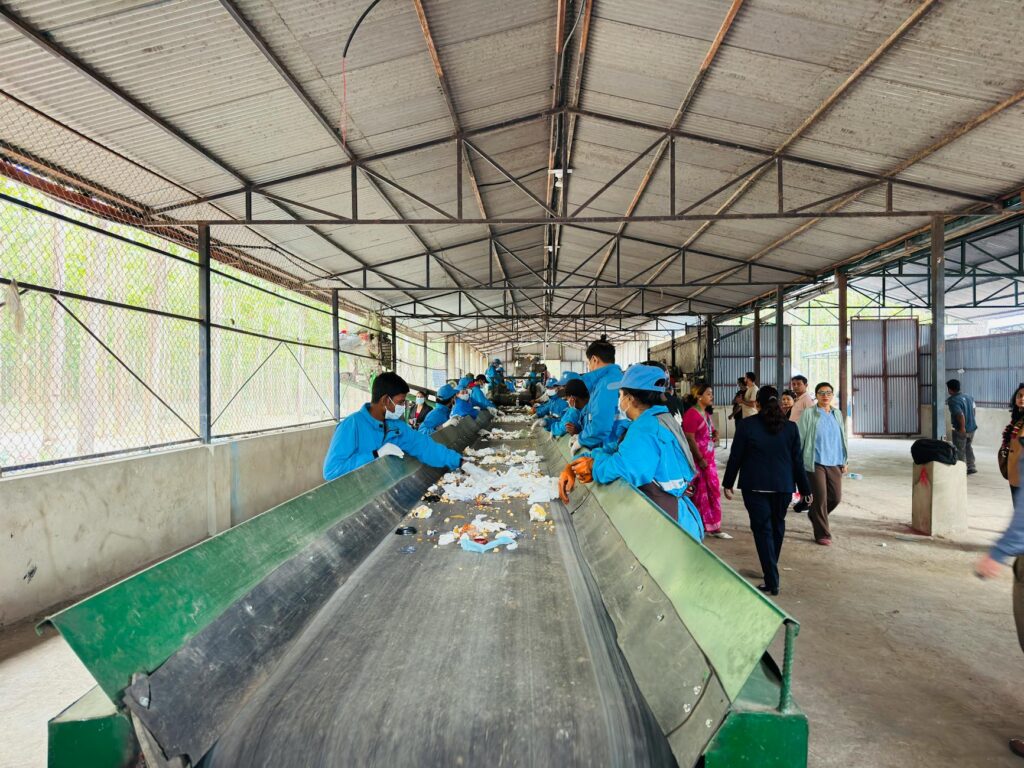
- Sorting: At a Material Recovery Facility (MRF), recyclables are separated by type (paper, plastic, glass, metal) using a combination of manual labor and automated machinery, including magnets and optical scanners.
- Processing: Sorted materials are cleaned, baled, and sent to manufacturers. Plastics may be shredded and melted, paper pulped, and metals melted down.
- Manufacturing: Recycled materials become the raw feedstock for new products. For example, recycled glass is used to make new bottles and containers, or aggregate for roads.
- Purchase: Consumers buy products made from recycled content, completing the cycle and creating demand for the process.
Practical Insight: Familiarize yourself with the symbols on packaging. For example, the chasing arrows symbol with a number inside indicates the type of plastic, but not all numbered plastics are accepted everywhere.
Real-World Examples of Recycling in Action
Recycling’s impact is best understood through concrete examples. Consider the beverage industry: companies like Coca-Cola and PepsiCo are increasingly incorporating recycled PET (rPET) into their new bottles. As of 2026, many of their major product lines feature bottles made from 100% recycled plastic, significantly reducing their reliance on virgin petroleum.
Another compelling case is in the construction sector. Recycled concrete, steel, and asphalt are routinely used in road building and infrastructure projects. For instance, the U.S. Army Corps of Engineers has implemented policies to incorporate recycled materials in construction, reducing waste and costs. This practice not only diverts substantial waste from landfills but also often provides a more cost-effective and environmentally friendly alternative.
Unique Insight: The development of advanced sorting technologies, like AI-powered robots in MRFs, is transforming recycling efficiency. These systems can identify and sort materials with greater speed and accuracy than ever before, reducing contamination and increasing the value of recovered resources.
Common Recycling Mistakes and How to Avoid Them
Many well-intentioned individuals make mistakes that hinder recycling efforts. One common error is “bagging recyclables.” Most facilities prefer items to be loose in the bin, as plastic bags can tangle machinery. If your local program requires bagged recyclables, use clear bags.
Another frequent mistake is not rinsing containers. Food residue can contaminate entire batches of recyclables, especially paper and cardboard. A quick rinse is usually sufficient. Finally, “wishcycling”—hoping an item is recyclable and tossing it in the bin—is a major problem. Items like plastic film, Styrofoam, and certain types of packaging are often not accepted curbside. When in doubt, throw it out (in the trash) to protect the integrity of the recycling stream.
Practical Insight: Keep a small list or infographic of your local recycling rules handy in your kitchen to remind household members what goes where.
Expert Tips for Maximizing Your Recycling Impact
To truly make a difference, consider these expert tips. First, prioritize the “Reduce, Reuse, Recycle” hierarchy. Recycling is important, but reducing consumption and reusing items are even more impactful. For example, using a reusable water bottle or coffee cup prevents waste before it even needs to be considered for recycling.
Second, look for products made with recycled content. By purchasing these items, you create demand for recycled materials, supporting the entire system. Companies like Patagonia, for example, have built a business model around using recycled materials for their apparel. According to the EPA (2023), increasing the use of recycled content is a key strategy for improving recycling markets.
Third, explore specialized recycling programs. Items like electronics (e-waste), batteries, and textiles often require separate collection and recycling streams. Many retailers and local governments offer drop-off points for these materials, preventing them from ending up in landfills where they can release harmful substances.
Frequently Asked Questions
What is the main goal of recycling?
The main goal of recycling is to conserve natural resources, reduce energy consumption, minimize pollution, and decrease the amount of waste sent to landfills, thereby promoting environmental sustainability and a circular economy.
How does recycling help the economy?
Recycling creates jobs in collection, processing, and manufacturing. It also provides valuable raw materials for industries, reducing production costs and fostering innovation in sustainable product design.
Is recycling truly effective in 2026?
Yes, recycling remains highly effective in 2026, especially as technology improves sorting efficiency and manufacturers increase their use of recycled content. Its effectiveness hinges on public participation and strong infrastructure.
What are the biggest challenges facing recycling?
Challenges include contamination from improper sorting, fluctuating market demand for recycled materials, high processing costs for certain items, and public confusion about what is recyclable.
Can all materials be recycled?
No, not all materials are easily recyclable or economically viable to recycle. Some plastics, composite materials, and contaminated items often can’t be processed through standard recycling systems.
What is the environmental impact of not recycling?
Not recycling leads to increased resource depletion, higher energy consumption for manufacturing, greater landfill waste, and increased pollution of air, soil, and water, contributing to climate change.
Take Action for a Greener Tomorrow
Recycling is a collective effort that benefits everyone. By understanding what recycling is and why it’s important, we can all contribute to a healthier planet and a more strong economy. Start by examining your own waste habits and committing to one new recycling practice today, whether it’s properly sorting your bins or choosing products made from recycled materials.
Source: Britannica
Editorial Note: This article was researched and written by the Little Green Junk editorial team. We fact-check our content and update it regularly. For questions or corrections, contact us.