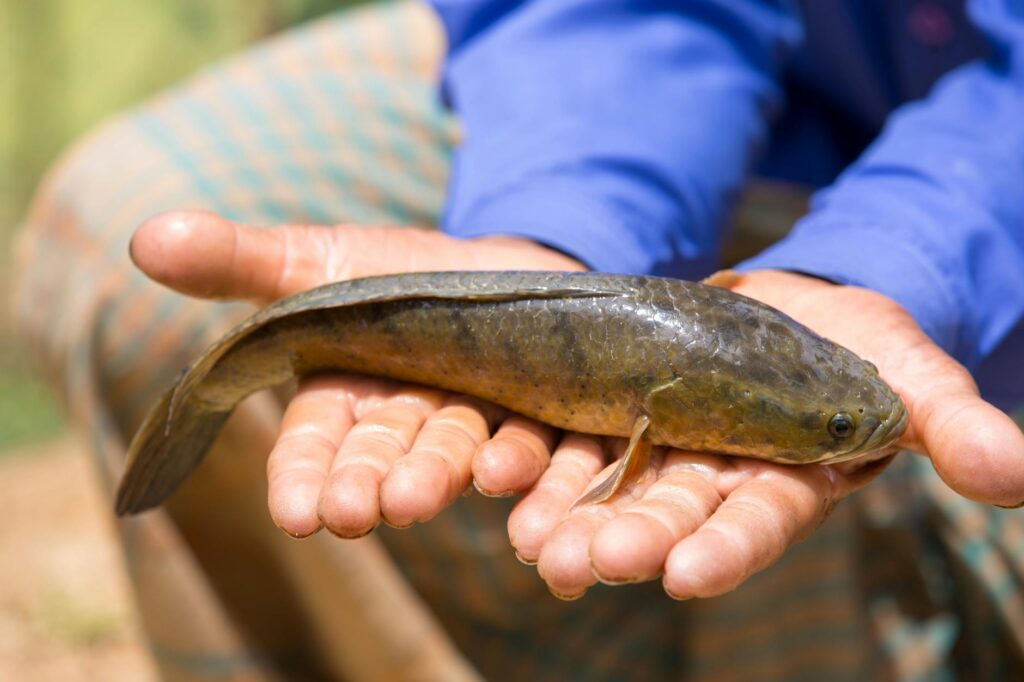
A gravid bowfin is a female bowfin fish (Amia calva) that has reached reproductive maturity and is carrying developed eggs within her body, poised for spawning. This specific state, crucial for understanding fish populations, involves distinct physiological changes.
Last updated: April 30, 2026
MHWilds, a term likely referencing a specific dataset, research project, or wildlife monitoring initiative, provides a lens through which we can examine these gravid bowfins. As of April 2026, the study of such specimens offers vital insights into the ecology and conservation needs of this ancient freshwater predator. This guide delves into what it means for a bowfin to be gravid, the factors influencing this state, and the significance of MHWilds data in our current understanding.
- A gravid bowfin is a female bowfin carrying mature eggs, ready for spawning.
- The MHWilds designation likely points to a specific collection or study of these reproductive fish.
- Gravid status is influenced by environmental cues like water temperature and photoperiod, peaking in spring.
- Identifying gravid bowfins is key for population assessment and understanding breeding dynamics.
- Male bowfins exhibit devoted parental care, guarding eggs and fry, a unique trait among many fish species.
What Exactly Defines a Gravid Bowfin?
The term “gravid” in ichthyology simply means that a female fish is carrying eggs that have reached a mature stage of development. For a bowfin, this translates to a swollen abdomen, a result of the enlarged, nutrient-rich ova filling the body cavity.
This condition is not constant; it’s a phase within the female’s annual reproductive cycle. The eggs mature gradually, influenced by hormonal changes and environmental triggers. When a bowfin is gravid, her primary biological imperative shifts towards finding a suitable mate and a secure location for spawning. The MHWilds context likely refers to data collected from bowfin identified in this specific reproductive state, perhaps for genetic sampling, health assessment, or population modeling.
The Bowfin’s Reproductive Calendar: Spawning Season in 2026
Bowfin spawning is a seasonal event, typically occurring during warmer months. In most of their North American range, this period begins in late spring and extends through early summer. As of 2026, observations confirm that water temperature is a primary driver, with spawning usually initiating when temperatures consistently reach between 65-75°F (18-24°C).
The specific timing can vary based on geographic location and local climate conditions. In warmer southern states, spawning might begin earlier, while in more northern regions, it may extend later into the summer. The presence of submerged vegetation, which provides crucial habitat for egg-laying and larval development, also plays a significant role in initiating and supporting the breeding season.
MHWilds: A Glimpse into Bowfin Reproductive Ecology
The designation “MHWilds” suggests a structured approach to observing and documenting wild bowfin populations. If it represents a database or project, it would be invaluable for tracking the reproductive health and distribution of gravid females.
Data points within such a framework could include the size and condition of gravid bowfins, the number and estimated volume of eggs, and the environmental parameters (temperature, water quality, habitat type) present during sampling. This information helps scientists understand population dynamics, identify critical breeding grounds, and assess the impact of environmental changes on bowfin reproduction. Understanding these nuances is critical for effective fisheries management and conservation efforts in 2026.
Physiological Changes: What Happens When a Bowfin is Gravid?
A gravid bowfin undergoes significant internal and external changes. Internally, the ovaries enlarge dramatically, consuming a considerable portion of the body cavity. The ova themselves develop through stages, accumulating yolk reserves that provide nourishment for the developing embryo after fertilization.
Externally, the female’s abdomen becomes noticeably distended and rounded. Her behavior may also shift; she might become more lethargic, conserving energy for the upcoming spawning event, or conversely, more actively seeking out mates and suitable spawning sites. This physiological state requires increased metabolic support, meaning the fish consumes more food prior to and during this period.
Anatomy of Reproduction: Understanding Bowfin Ovaries
Bowfins, like most bony fishes, possess a pair of ovaries that produce eggs. These ovaries are typically elongated structures suspended within the body cavity. During the maturation process, the ovaries grow larger and heavier as the ova develop and fill with vitellus (yolk).
The specific structure and development of bowfin ovaries are subjects of ongoing research. Understanding the number of eggs produced (fecundity), their size, and their developmental timeline is essential for population assessments. The MHWilds data, if it includes histological or detailed anatomical descriptions, could provide unprecedented detail on the reproductive capacity of sampled individuals.
Identifying a Gravid Bowfin: Beyond the Swollen Belly
While a distended abdomen is the most obvious indicator, seasoned anglers and researchers look for other signs. The female may appear less strong or simplifyd than usual, with a more rounded profile.
Her coloration might also subtly change, sometimes becoming more vibrant or exhibiting specific patterns associated with breeding readiness. Handling a gravid female requires extreme care; the eggs are delicate, and excessive stress or rough handling can harm both the fish and her reproductive potential. Careful observation in its natural habitat is often the least invasive method.
The Role of Male Bowfins: Paternal Guardians
Unlike many fish species, the male bowfin plays a significant role in reproduction beyond simple fertilization. After the female deposits her eggs, often in a nest constructed by the male in submerged vegetation, he diligently guards them.
This parental care is a remarkable trait. The male defends the nest from predators, fans the eggs to ensure adequate oxygenation, and continues to protect the newly hatched fry for several weeks. This dedication is critical for the survival of young bowfins, contributing significantly to the species’ resilience. Understanding this behavior is a key component of studying bowfin populations, and any MHWilds data would likely benefit from noting the presence and behavior of males during the breeding season.
Ecological Significance of Gravid Bowfins in Freshwater Ecosystems
Gravid bowfins are linchpins in their aquatic ecosystems. As apex predators in many freshwater habitats, their reproductive success directly influences prey populations and the overall health of the food web. The energy invested in developing eggs represents a significant transfer of resources within the ecosystem.
Also, the presence of healthy, gravid female bowfins indicates a strong and functioning population, capable of sustaining itself. Their spawning grounds also become focal points for other aquatic life, and the subsequent presence of fry provides a food source for other species. Monitoring the proportion of gravid females in a population can serve as an indicator of environmental health and the efficacy of conservation measures.
Challenges in Studying Gravid Bowfin Populations
Studying gravid bowfins presents unique challenges. Capturing these fish without causing undue stress or harm, especially to the developing eggs, requires specialized techniques and equipment. The timing of capture is also critical; too early, and the eggs may not be fully mature; too late, and spawning may have already occurred.
Environmental conditions can impede research efforts, with murky waters and dense vegetation making visual surveys difficult. Additionally, the secretive nature of bowfins, particularly during their breeding phase, can limit observation opportunities. Projects like MHWilds aim to overcome these hurdles through consistent monitoring and advanced data collection methods.
Conservation Implications and the MHWilds Perspective
The conservation status of bowfins varies by region, but habitat degradation, pollution, and introduction of invasive species pose threats. Understanding the reproductive cycle, particularly the conditions necessary for gravid females to successfully spawn and raise young, is paramount for conservation strategies.
MHWilds data could be instrumental in identifying critical habitats for spawning and nursery grounds. This information allows conservationists to prioritize areas for protection and restoration. By documenting the health and prevalence of gravid bowfins, we gain a clearer picture of population viability and can implement targeted interventions where needed. According to the IUCN Red List (as of 2026, accessed April 30, 2026), the bowfin is listed as Least Concern globally, but localized declines may warrant attention.
Practical Insights for Anglers and Wildlife Enthusiasts
For those fortunate enough to encounter bowfins, especially during the spawning season, observing them responsibly is key. If you believe you’ve found a gravid female, admire her from a distance and avoid any actions that could cause stress.
Catch-and-release practices, if fishing is permitted, should be done swiftly and gently, minimizing handling time and avoiding squeezing the abdomen. Understanding that these fish are in a critical reproductive phase encourages a more conservation-minded approach to interacting with this ancient species. This respects the bowfin’s life cycle and contributes to its long-term survival.
Common Mistakes When Assessing Gravid Bowfin Status
Mistake 1: Assuming Any Large Female is Gravid
Not all large female bowfins are gravid. Fish can be large due to age, good feeding conditions, or simply having a strong build, not necessarily because they are carrying eggs. Gravidity is a specific physiological state linked to the reproductive cycle.
Solution: Look for the characteristic distended, rounded abdomen and consider the time of year. If it’s outside the typical spring/early summer spawning window, the fish is likely not gravid, even if large.
Mistake 2: Over-handling Captured Fish
Anglers or researchers may handle a fish for too long while attempting to identify its reproductive status, or inadvertently apply too much pressure. This can cause internal injury to the delicate eggs or the reproductive organs.
Solution: Minimize handling time to mere seconds. If unsure, release the fish promptly. For scientific study, specialized capture and handling protocols are employed to reduce stress and injury, often involving sampling without full removal from the water.
Mistake 3: Misinterpreting Behavior
A bowfin might exhibit lethargic behavior or seek dense cover for reasons other than gravidity, such as injury, illness, or simply resting. Attributing all such behaviors solely to reproductive status can lead to incorrect assumptions.
Solution: Integrate behavioral observations with physical indicators and seasonal context. A gravid fish in a spawning area exhibiting protective or searching behaviors is more reliably identified than a solitary, lethargic fish in an unusual location.
Expert Tips for Understanding Bowfin Reproduction
Tip 1: Use Non-Invasive Monitoring Techniques
Where possible, employ methods like underwater cameras or sonar to observe spawning behavior and nest construction without disturbing the fish. This provides ecological data without the risks associated with physical capture.
This approach is particularly valuable for tracking male parental care and identifying preferred spawning habitats. Projects like MHWilds might leverage these technologies extensively to gather comprehensive data from 2026 onwards.
Tip 2: Correlate Environmental Data with Reproductive Success
Always link observations of gravid bowfins or spawning activity to detailed environmental data. Water temperature, dissolved oxygen levels, pH, and the presence of submerged vegetation are critical factors influencing reproductive success. According to research published in the journal Ecology of Freshwater Fish (various years, most recent available data accessed April 2026), these parameters significantly impact egg viability and larval survival.
Understanding these correlations helps predict future population trends and inform habitat management decisions. For instance, consistent spring warming is vital for initiating spawning.
Tip 3: Recognize the Importance of Habitat Complexity
Bowfins require specific habitats for successful reproduction. Males construct nests in areas with abundant submerged vegetation, which provides shelter for eggs and fry and a substrate for nest building. Intact, complex habitats are therefore essential for maintaining breeding populations.
The decline of these specific microhabitats in many waterways is a significant threat. Conservation efforts must focus on preserving or restoring these vegetated, slow-water areas where gravid females can spawn and males can effectively guard their offspring.
Frequently Asked Questions about Gravid Bowfin MHWilds
What is the primary purpose of the MHWilds designation?
The MHWilds designation likely refers to a specific wildlife monitoring initiative or dataset focused on bowfin populations, particularly their reproductive status. It helps researchers track and analyze data related to gravid females and their ecological context.
How can I tell if a bowfin is gravid?
A gravid bowfin typically exhibits a noticeably swollen, rounded abdomen due to mature eggs. This is most apparent during the spring and early summer spawning season. Observing the fish’s body shape and considering the time of year are key indicators.
When do bowfins typically spawn?
Bowfin spawning usually occurs from late spring through early summer, typically when water temperatures consistently reach between 65-75°F (18-24°C). The exact timing can vary by region and local climate conditions.
Are gravid bowfins dangerous to handle?
Gravid bowfins are not inherently dangerous, but they require careful handling. Excessive pressure on their swollen abdomen can damage the delicate eggs or reproductive organs, potentially harming the fish and its reproductive potential.
What is the role of the male bowfin during spawning?
Male bowfins are highly involved in reproduction. They construct nests, fertilize the eggs, and then guard them and the subsequent fry for several weeks, exhibiting significant parental care.
Does bowfin reproduction vary significantly across their range?
Yes, while the general cycle is consistent, the precise timing of spawning can vary based on latitude, climate, and local water conditions. Southern populations may spawn earlier than northern ones.
Conclusion
Understanding the gravid state of the bowfin is fundamental to appreciating its reproductive biology and ecological role. The MHWilds designation, representing specific research or data collection efforts, highlights the ongoing scientific interest in this ancient fish. As of April 2026, continued study of gravid bowfins provides critical data for conservation, ecosystem health, and our broader understanding of freshwater fish life cycles.
Actionable Takeaway: Support local conservation efforts focused on preserving healthy freshwater habitats, as these are essential for the successful reproduction of species like the bowfin.