
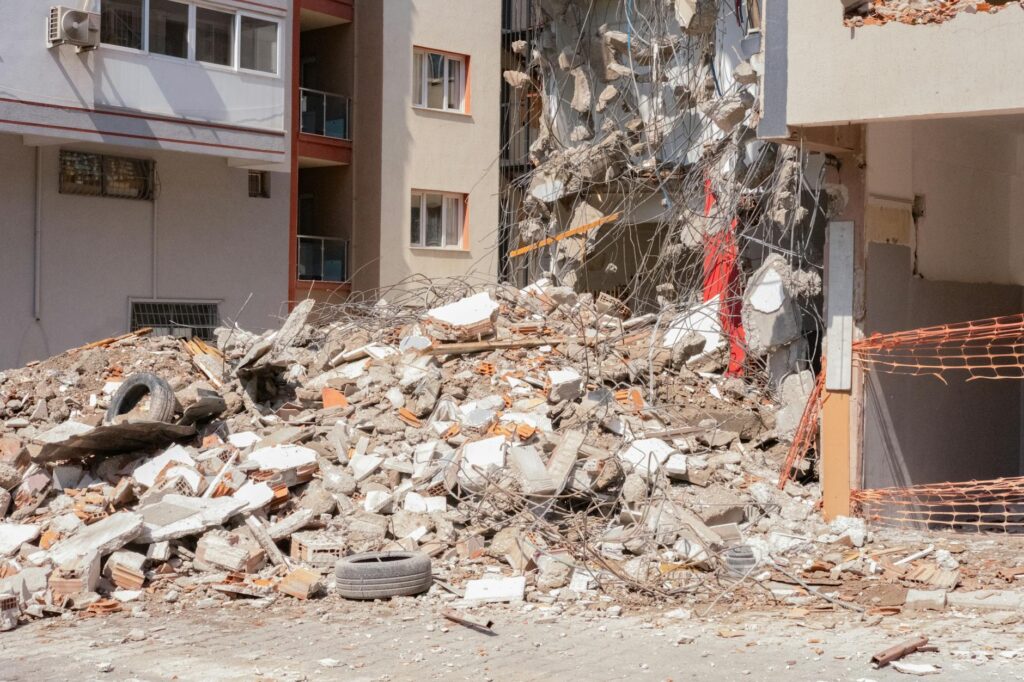
Property Refurbishment: Tackling the Waste Challenge
Renovating a property is an exciting prospect, promising a refreshed living space or a valuable asset. However, beneath the surface of new designs and updated fixtures lies a significant, often underestimated, challenge: managing the sheer volume of junk rubbish generated. From ancient plaster and broken tiles to unwanted fixtures and packaging, the debris can quickly pile up. Effective disposing of your junk rubbish when refurbishing a property isn’t just about tidiness. it’s a critical component of project management, budget control, and environmental stewardship. Ignoring it can lead to delays, unexpected costs, and regulatory headaches. This guide provides a complete approach to handling renovation waste responsibly.
Last updated: April 25, 2026
Properly disposing of renovation junk ensures compliance with local regulations and minimizes environmental impact. This typically involves sorting waste for recycling, utilizing professional junk removal services, and costs associated with different disposal methods to stay within budget.
Scope of Renovation Waste
Before embarking on any refurbishment, it’s essential to grasp the sheer quantity and types of waste you’re likely to encounter. A typical house renovation can generate anywhere from 1 to 10 tonnes of waste, depending on the project’s scale. According to the U.S. Environmental Protection Agency (EPA) (2022), construction and demolition debris accounts for a substantial portion of solid waste. This waste can include inert materials like concrete, bricks, and soil, as well as recyclable items such as wood, metal, and glass, and potentially hazardous materials like asbestos or lead paint.
Identifying these materials early is key. For instance, older homes may contain asbestos in insulation or floor tiles, requiring specialized handling. A thorough pre-renovation survey can help identify such hazards. composition of your waste will dictate the most appropriate and compliant disposal methods.
Developing a Waste Management Plan
A proactive waste management plan is the cornerstone of efficient renovation. This plan should be developed before work commences and should outline how different types of waste will be handled. Consider the following elements:
- Waste Audit: Estimate the types and volumes of waste expected.
- Segregation Strategy: Plan how waste will be separated on-site (e.g., wood, metal, general rubble, hazardous materials).
- Disposal Methods: Determine whether you’ll use skip hire, professional junk removal services, or a combination.
- Budget Allocation: Factor in the costs for skip hire, landfill fees, recycling charges, and specialist disposal.
- Regulatory Compliance: Research local council rules regarding waste disposal and permits.
According to a report by Statista (2023), the European Union generates over 1 billion tonnes of construction and demolition waste annually. Having a plan helps ensure your project contributes minimally to this figure.
Choosing the Right Disposal Method
Several options exist for disposing of renovation waste, each with its pros and cons. The choice often depends on the volume of waste, the type of materials, your budget, and your timeline.
Skip Hire
Skip hire is a popular choice for mid-to-large scale renovations. Skips, or dumpsters, are delivered to your site and collected once full. They come in various sizes, from small 2-yard skips suitable for minor projects to large 12-yard or even roll-on/roll-off containers for major demolitions. Companies like Red Bin Waste Management offer a range of skip sizes and can advise on the best fit for your project. It’s Key to check what materials are permitted in the skip. hazardous waste often requires separate, specialized disposal.
Professional Junk Removal Services
For smaller projects, or when you need a more immediate solution, professional junk removal services like Little Green Junk are ideal. These services typically operate on a volume-based pricing model. A team arrives, loads the waste for you, and disposes of it. This saves you the physical labour of loading a skip and often provides a faster turnaround. They can handle a lots of materials, including bulky items and mixed waste, and often prioritize recycling.
Based on industry averages, a standard 2-hour junk removal job for a small to medium renovation might cost between $400 and $800, depending on the volume and complexity. You can be more cost-effective than hiring a large skip if you only have a few days’ worth of waste.
On-Site Sorting and Local Disposal
For the environmentally conscious or those with very specific material streams (e.g., pure concrete or timber), on-site sorting followed by delivery to a local recycling centre or transfer station can be an option. This requires more time and effort but can reduce disposal costs and maximize recycling rates. Check your local council’s website for details on accepted materials and fees at their facilities.
Recycling and Sustainability in Renovation Waste
Minimizing landfill waste is a growing priority. Many renovation materials can be recycled or repurposed. According to the Waste and Resources Action Programme (WRAP) (2021), a significant percentage of construction and demolition waste is recyclable. Embracing sustainable practices not only benefits the environment but can also enhance your property’s green credentials.
Key recycling opportunities include:
- Wood: Can be chipped for biomass fuel, used as mulch, or reprocessed into new wood products.
- Metals: Scrap metal yards readily accept steel, copper, aluminium, and other metals for recycling.
- Plasterboard: Can be recycled to recover gypsum, a valuable component in new plasterboard and cement. Companies like The Recycling Factory specialize in plasterboard recycling.
- Concrete and Bricks: Crushed and processed into aggregate for road construction or new concrete mixes.
- UPVC: Old window frames and pipes can be granulated and used in new plastic products.
When hiring skip services or junk removal professionals, inquire about their recycling policies. Reputable companies will have established channels for diverting waste from landfill.
Handling Hazardous Materials
Some renovation projects uncover hazardous materials that require special attention. These aren’t suitable for general rubbish disposal and can pose serious health risks if mishandled.
- Asbestos: Found in older insulation, tiles, and roofing. Removal must be carried out by licensed professionals.
- Lead Paint: Dust from sanding lead-based paint is toxic. Containment and proper disposal are essential.
- Chemicals: Old paints, solvents, and cleaning agents should be taken to designated hazardous waste collection points.
- Contaminated Soil: If soil is found to be contaminated, it requires specific testing and disposal procedures, often mandated by environmental agencies.
Failure to dispose of hazardous waste correctly can result in hefty fines and legal action. Always consult your local environmental authority or waste management provider for guidance on these materials. The U.S. Environmental Protection Agency (EPA) provides extensive resources on identifying and managing hazardous household waste.
Budgeting for Junk Removal
The cost of disposing of your junk rubbish when refurbishing a property can be a significant line item. Factors influencing cost include:
- Volume and Weight: More waste generally means higher costs.
- Type of Waste: Hazardous or difficult-to-handle materials may incur extra fees.
- Disposal Method: Skip hire versus professional removal services have different pricing structures.
- Location: Disposal fees and transport costs can vary by region.
- Landfill Taxes: Many regions impose taxes on waste sent to landfill.
For skip hire, prices can range from $200-$500 for a small skip, including delivery and collection, but excluding landfill fees which can add substantially. Professional junk removal services often quote based on the size of the load (e.g., a “small truckload” or “half truckload”). It’s always best to get multiple quotes and understand what’s included (loading, transport, disposal fees, recycling efforts).
DIY Renovation Waste: What Homeowners Need to Know
For those undertaking DIY renovations, the responsibility for waste disposal falls squarely on their shoulders. This often means limitations of your vehicle for transporting waste and the operating hours and fees of local waste transfer stations. Many councils offer permits for residents to dispose of larger items or construction waste at their facilities, but there are often limits on frequency and quantity. For example, the City of York, PA, has specific guidelines for disposing of construction debris, often requiring residents to haul it themselves or hire a licensed hauler.
It’s Key to be realistic about the physical effort involved in clearing a site and transporting waste. Underestimating this can lead to delays and a cluttered worksite, hindering progress. Consider hiring a professional junk removal service for the heavy lifting, even if you’re managing the rest of the DIY project yourself.
Frequently Asked Questions
How much does it cost to remove renovation waste?
Costs vary based on the volume, type of waste, and chosen disposal method. Skip hire can range from $200-$500 for a small unit, with additional landfill fees. Professional junk removal services often charge by volume, with typical costs between $400-$800 for a small to medium load. Hazardous materials incur higher fees.
what’s the cheapest way to dispose of renovation rubbish?
The cheapest method often involves the most effort: sorting waste yourself for maximum recycling and then transporting it to a local council waste transfer station that accepts construction debris, provided there are no tipping fees or they’re minimal. However, this doesn’t account for fuel and vehicle wear.
Can I put all my renovation waste in one skip?
Generally, no. While general waste skips can take mixed rubble, wood, and metal, hazardous materials like asbestos, chemicals, or batteries require separate, specialized disposal. Always check the skip hire company’s list of prohibited items.
How do I dispose of hazardous waste from a renovation?
Hazardous waste like asbestos, lead paint, or chemicals must be handled by licensed professionals or disposed of at designated hazardous waste collection sites. Contact your local environmental authority or waste management department for specific instructions and approved disposal facilities.
What are the environmental benefits of recycling renovation waste?
Recycling renovation waste conserves natural resources, reduces the need for landfill space, lowers greenhouse gas emissions associated with extracting and processing new materials, and saves energy. It’s a Key step in creating a more sustainable built environment.
Conclusion: Plan Ahead for a Cleaner Renovation
Disposing of your junk rubbish when refurbishing a property is an integral part of the process, not an afterthought. By developing a complete waste management plan, understanding your disposal options, prioritizing recycling, and knowing how to handle hazardous materials, you can ensure your project runs smoothly, stays within budget, and adheres to environmental best practices. Whether you opt for skip hire or professional junk removal services like Little Green Junk, planning ahead is key to a successful and responsible renovation.