
Boost Your Home’s Value with a Kitchen Makeover
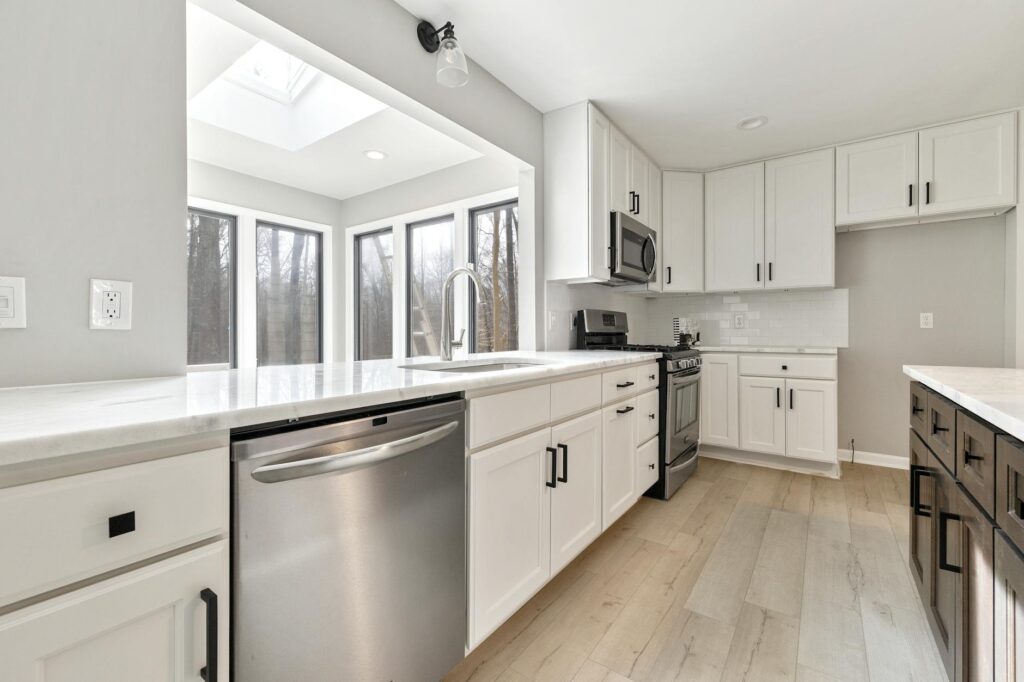
The kitchen remains the heart of the home, and an updated one is a top priority for buyers. A mid-range kitchen remodel can expect to recover around 83% of its cost, according to industry reports. This doesn’t necessarily mean a complete gut job. Sometimes, replacing countertops, cabinet refacing, updating appliances, and adding a fresh backsplash can dramatically transform the space.
Last updated: May 1, 2026
Consider durable and neutral materials like quartz countertops or classic subway tile. For appliances, stainless steel remains a popular choice, but smart appliances are gaining traction. Focus on functionality and modern aesthetics rather than overly trendy designs.
Practical Insight: Even a minor kitchen refresh, like new hardware and lighting, can make a significant difference if a full remodel isn’t in the budget. These smaller updates can still attract buyers looking for move-in ready homes.
The Undeniable Appeal of Updated Bathrooms
Similar to kitchens, bathrooms are critical selling points. A well-executed bathroom renovation can yield a strong ROI, often exceeding 70-80% in some markets. Buyers look for clean, modern, and functional bathrooms.
Focus on upgrades like new vanities, modern fixtures, updated tiling (floor and shower surrounds), and improved lighting. For smaller bathrooms, consider space-saving solutions like pedestal sinks or floating vanities. For master suites, adding a second bathroom or en-suite can be a significant value driver.
Practical Insight: Don’t overlook ventilation. A proper exhaust fan can prevent moisture issues, a common concern for buyers and a costly problem to fix later.
Enhance Curb Appeal for a Stellar First Impression
First impressions count, and curb appeal is paramount. Simple, cost-effective exterior improvements can significantly impact a buyer’s perception and willingness to pay more. According to Real Simple, outdoor upgrades can boost value almost instantly.
Key improvements include landscaping (well-maintained lawns, flower beds, trimmed trees), a fresh coat of paint on the exterior or just the front door, updated house numbers, new exterior lighting, and ensuring walkways and driveways are in good repair. A well-maintained roof and clean gutters are also essential.
Practical Insight: Consider the overall color scheme and style of your home when choosing exterior paint and landscaping. A cohesive look is more appealing than a hodgepodge of elements.
Add Living Space with Decks, Patios, and Outdoor Rooms
As of May 2026, outdoor living spaces are in high demand. Buyers are looking for homes that offer more than just interior square footage; they want functional outdoor areas for entertaining and relaxation. Adding a deck or patio can be one of the most profitable home improvements, with ROI often exceeding 100% in many regions.
A simple wooden deck or a paver patio can transform a backyard. Consider adding features like built-in seating, outdoor kitchens, or fire pits to further enhance the appeal and perceived value. Ensure these spaces are well-integrated with the home’s interior layout.
Practical Insight: Ensure any outdoor additions comply with local building codes and zoning regulations. Permits may be required, and improper construction can lead to costly issues down the line.
Embrace Energy Efficiency for Long-Term Value
Energy efficiency is no longer just a buzzword; it’s a key selling point. Buyers are increasingly aware of rising energy costs and environmental impact. Investing in energy-efficient upgrades can attract a wider range of buyers and justify a higher price point.
Consider replacing old windows with double- or triple-paned, energy-efficient models. Upgrading insulation in attics and walls, installing a high-efficiency HVAC system, or adding a smart thermostat are excellent investments. Solar panel installation is also becoming a significant value add.
According to the U.S. Department of Energy, energy-efficient homes can command higher prices and sell faster. For example, homes with ENERGY STAR certified windows can see significant reductions in heating and cooling costs. (Source: ENERGY STAR, 2026)
Practical Insight: Clearly document all energy-efficient upgrades and their potential cost savings. This information is invaluable for potential buyers trying to understand the long-term benefits.
Smart Home Technology Integration
The integration of smart home technology is steadily increasing its impact on home value. Features like smart thermostats, lighting systems, security cameras, and voice-activated assistants are becoming more common and expected by buyers, particularly younger demographics.
While not always a direct ROI winner in the same vein as a kitchen remodel, smart home features add a layer of modern convenience and perceived value that can differentiate a home in a competitive market. Focus on systems that are user-friendly and integrate well.
Practical Insight: Ensure any smart home technology installed is compatible with major platforms (like Amazon Alexa or Google Assistant) and can be easily transferred to the new owner. Avoid highly proprietary systems that can be difficult to manage.
Strategic Flooring and Interior Finishes
Flooring and interior finishes play a significant role in a home’s overall aesthetic and perceived quality. Replacing worn-out carpets with hardwood, luxury vinyl plank (LVP), or high-quality tile can dramatically enhance appeal.
Buyers as they offer generally prefers neutral paint colors a blank canvas for personalization. Avoid bold or highly personal color choices. High-quality finishes, even in smaller details like light fixtures and door hardware, contribute to a sense of luxury and attention to detail.
Practical Insight: When choosing flooring, consider durability and water resistance, especially for high-traffic areas like kitchens and bathrooms. LVP, for instance, offers excellent durability and a realistic wood or stone look.
Basement and Attic Conversions
Unfinished basements and attics represent untapped potential square footage. Converting these spaces into functional living areas, such as bedrooms, home offices, or entertainment rooms, can add substantial value to a home. A well-executed conversion can often recoup its costs and then some.
Ensure proper insulation, lighting, egress (especially for bedrooms), and HVAC are addressed during the conversion process. The key is to make the space feel like a natural extension of the home, not an afterthought.
Practical Insight: Check local building codes for requirements regarding ceiling height, window size, and fire safety for habitable rooms in basements and attics. Non-compliance can render the space unusable for resale purposes.
Real Examples of Value-Adding Renovations
Consider a homeowner in a suburban area who undertook a kitchen remodel in early 2026. They opted for mid-range upgrades: new quartz countertops ($8,000), refaced cabinets with new hardware ($5,000), a stainless-steel appliance package ($6,000), and a subway tile backsplash ($1,000). The total cost was $20,000. This renovation added an estimated $18,000 in value, an ROI of 90%.
In another scenario, a homeowner wanting to boost curb appeal invested $3,000 in professional landscaping, a new front door ($1,500), and updated exterior lighting ($500). The total investment of $5,000 resulted in an estimated $7,000 increase in perceived value and attracted multiple offers shortly after listing, demonstrating an ROI of 140% for these specific improvements.
Common Mistakes to Avoid in Home Improvements
Many homeowners make costly errors that diminish their renovation ROI. One common mistake is over-personalizing the home. While you may love bold colors or unique architectural features, most buyers prefer neutral spaces they can adapt to their own tastes.
Another pitfall is using substandard materials or hiring unqualified contractors. Cutting corners on quality for high-traffic areas or essential systems like plumbing and electrical can lead to expensive repairs later, deterring buyers. The National Association of the Remodeling Industry (NARI) reports that professional remodels often yield better results and fewer callbacks than DIY projects. (Source: NARI, 2026)
Over-improving for the neighborhood is also a mistake. While upgrades are good, a $500,000 renovation on a $200,000 home might not recoup its costs. Research comparable sales in your area to gauge the market’s expectations.
Expert Tips for Maximizing Renovation ROI
Focus on high-impact, low-cost improvements first. A deep clean, decluttering, and depersonalizing spaces can work wonders for showings without significant investment. Simple repairs like fixing leaky faucets or squeaky doors can also prevent buyers from questioning the overall maintenance of the home.
When planning larger projects, get multiple quotes from reputable contractors. Look for certifications and check references thoroughly. For example, using certified installers for new windows or HVAC systems can ensure optimal performance and warranty validity.
Unique Insight: Consider the ‘staging effect’ of your renovations. Think about how each upgrade contributes to the overall narrative of a comfortable, functional, and modern home. Sometimes, a strategically placed accent wall or updated hardware can create a more compelling visual than a costly, but less impactful, structural change.
Frequently Asked Questions
What is the single best home improvement for value?
The best home improvement for value is typically a major kitchen or bathroom renovation. Buyers and can significantly highly scrutinizs these areas influence their decision and offer price, often recovering a high percentage of their cost.
How much value does a new roof add?
A new roof adds significant value by providing peace of mind about structural integrity and protection from the elements. While the direct ROI might be lower than a kitchen remodel (often around 60-70%), it’s a critical repair that prevents future issues and is essential for saleability.
Are energy-efficient upgrades worth the investment?
Yes, energy-efficient upgrades are increasingly worth the investment as buyers become more cost-conscious and environmentally aware. They can lead to lower utility bills for the homeowner and appeal to a broader market, potentially increasing sale price.
Should I renovate before selling my home?
Renovating before selling can be beneficial if the improvements align with buyer expectations and the local market. Focus on high-ROI projects like kitchens, bathrooms, and curb appeal. Avoid personal tastes that may not appeal to others.
What home improvements don’t add value?
Over-personalizing a home with unique decor, installing specialized features that appeal to a niche market (like a home bowling alley), or undertaking major repairs that are expected as part of standard maintenance (like basic plumbing fixes) often fail to add significant value.
How can I increase my home’s value on a tight budget?
On a tight budget, focus on cosmetic improvements: fresh paint, deep cleaning, decluttering, updating hardware and fixtures, improving landscaping, and ensuring excellent curb appeal. These low-cost updates can have a high impact on buyer perception.
Investing in your home is a significant decision, and choosing the right improvements can yield substantial returns. By focusing on popular areas like kitchens and bathrooms, enhancing curb appeal, embracing energy efficiency, and avoiding common pitfalls, you can effectively increase your home’s market value in 2026.
Actionable Takeaway: Prioritize updates that address buyer demand and enhance functionality and aesthetics, focusing on a strong ROI rather than personal preference.
Editorial Note: This article was researched and written by the Little Green Junk editorial team. We fact-check our content and update it regularly. For questions or corrections, contact us.