
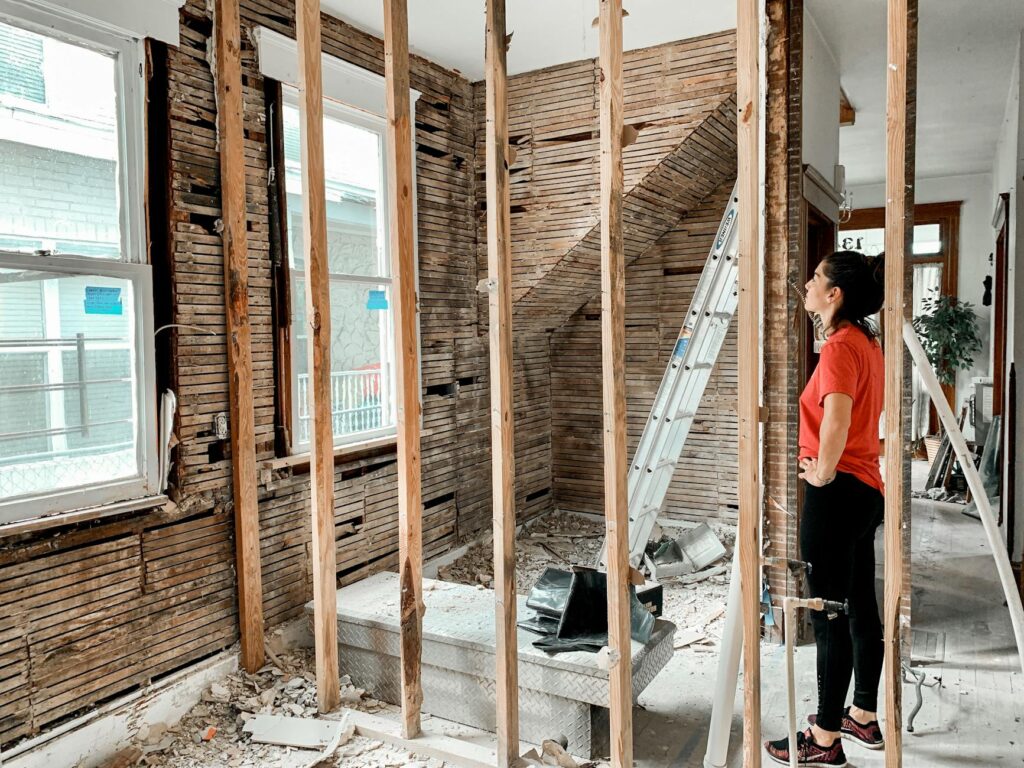
- A well-planned home renovation in 2026 starts with defining scope and budget, setting realistic expectations.
- Securing necessary permits early prevents costly delays and legal issues.
- Choosing reputable contractors and materials is crucial for long-term value and durability.
- Effective project management, including communication and contingency planning, ensures a smoother process.
- Consider sustainability and future resale value when making material and design choices.
Embarking on a home renovation project can be exciting, promising a refreshed living space and increased property value. As of May 2026, the world of home improvement continues to evolve, with a greater emphasis on sustainability and smart technology. However, the fundamental steps to a successful renovation remain consistent: meticulous planning, realistic budgeting, and careful execution.
Last updated: May 1, 2026
Most homeowners underestimate the time and money required for a renovation, leading to stress and overspending. Understanding the process from start to finish can transform a daunting task into an achievable goal.
Define Your Renovation Scope and Goals
Before you even think about paint colours, clearly define what you want to achieve with your renovation. Are you looking to update an outdated kitchen, add a much-needed extension, or simply refresh a few rooms? Having a clear scope helps in setting realistic expectations and keeping the project focused.
Consider the long-term impact. For instance, a kitchen renovation might aim for improved functionality for family cooking, or it could be geared towards increasing resale value for a future sale. A 4×3 meter kitchen renovation, for example, could range from a £5,000 cosmetic update to a £30,000 structural overhaul, depending on the ambition.
Practical Insight: Document your ideas with a vision board or a detailed list. This visual aid helps communicate your needs to designers and contractors and keeps your own focus sharp.
Establish a Realistic Renovation Budget
Budgeting is often the most challenging aspect of any home renovation. It’s essential to be thorough and realistic. Start by researching average costs for similar projects in your area. According to industry estimates, kitchen and bathroom renovations typically yield a high return on investment, often recouping 70-80% of their cost upon resale.
A common mistake is to allocate funds only for the visible elements, forgetting about hidden costs like permits, unexpected structural issues, or the disposal of old materials. For a comprehensive home renovation, aim to set aside 10-20% of your total budget as a contingency fund for unforeseen expenses. For example, uncovering faulty wiring during a wall demolition could add hundreds or even thousands to your bill.
Practical Insight: Get at least three detailed quotes from different contractors for the same scope of work. This comparison helps identify discrepancies and ensures you’re getting a fair price.
Create a Detailed Renovation Timeline
A well-defined timeline manages expectations and keeps the project on track. Factor in every stage, from initial design and obtaining permits to demolition, construction, and final finishing touches. It’s also wise to build in buffer time for potential delays, which are common in renovation projects.
The duration can vary significantly. A simple bathroom refresh might take 2-4 weeks, while a full house extension could span 6-12 months or longer. According to a survey by the National Association of Home Builders (NAHB) in 2023, the average major home renovation can take anywhere from 2 to 6 months. Delays can stem from material shortages, contractor availability, or weather conditions. For instance, external work might be stalled by persistent rain.
Practical Insight: Communicate regularly with your contractor about the schedule and any potential delays. Understanding the critical path of the project helps in managing expectations.
Navigate Permits and Regulations
Depending on the scale and nature of your renovation, you will likely need to obtain building permits from your local council. These are in place to ensure work is safe and meets building standards. Failing to secure necessary permits can lead to fines, work being stopped, and complications when selling your property.
For example, structural changes, electrical work, or plumbing modifications almost always require permits. Research your local council’s requirements well in advance. Obtaining permits can take anywhere from a few weeks to several months, so this step should be factored into your timeline early on. For instance, planning permission for a loft conversion in the UK can take up to 8 weeks.
Practical Insight: Your contractor should be knowledgeable about local permit requirements. Confirm they will handle the application process and associated fees as part of their service agreement.
Select the Right Professionals
If your renovation involves complex tasks or you lack the time or skills for DIY, hiring professionals is essential. This includes architects, designers, and contractors. Thoroughly research and vet potential candidates.
Look for contractors with a proven track record, check references, and ask to see examples of their previous work. A professional with 10+ years of experience in residential renovations is likely to offer more reliable service. A poorly chosen contractor can lead to shoddy workmanship, budget overruns, and significant stress. For example, a contractor who cuts corners on waterproofing a bathroom could lead to costly mould and structural damage down the line.
Practical Insight: Get everything in writing. A detailed contract should outline the scope of work, materials, timeline, payment schedule, and warranty information.
Choose Materials Wisely
The materials you select will impact the aesthetics, durability, and cost of your renovation. Consider not only the look but also the longevity and maintenance requirements of each material. For example, a granite countertop is durable and elegant but more expensive and heavier than laminate.
As of 2026, there’s a growing trend towards sustainable and eco-friendly materials. Bamboo flooring, recycled glass countertops, and low-VOC paints are becoming increasingly popular options. While these might sometimes have a higher upfront cost, they can offer long-term benefits for health and the environment. For example, reclaimed wood can add unique character and reduce waste.
Practical Insight: Request samples of materials and test them in your home’s lighting conditions. What looks good in a showroom might appear different in your space.
Manage the Renovation Process
Effective project management is key to a smooth renovation. Regular site visits, clear communication with your contractor, and prompt decision-making are crucial. Stay organized by keeping all project-related documents in one place.
Regular site visits allow you to monitor progress and address any issues that arise. Don’t be afraid to ask questions if something is unclear. A well-managed project, even with minor hiccups, will result in a higher quality outcome. For instance, ensuring plumbing lines are installed correctly before walls are closed up prevents future leaks.
Practical Insight: Establish a preferred method and frequency of communication with your contractor (e.g., weekly phone calls, daily email updates). This ensures everyone is on the same page.
Real-World Renovation Example
Consider Sarah and Tom, who decided to renovate their 1970s semi-detached house in Manchester. Their goal was a modern, open-plan living space with an updated kitchen and two bathrooms. They allocated a budget of £50,000, including a 15% contingency. They hired an architect to draw up plans and a reputable builder recommended by a neighbour.
The project involved knocking down a load-bearing wall (requiring structural support), fitting a new kitchen, refitting two bathrooms, replastering, rewiring, and redecorating. They obtained planning permission and building regulations approval, which took six weeks. The construction phase lasted five months, with a few minor delays due to a shortage of specific tiles. They chose durable materials like porcelain tiles for the bathrooms and a quartz countertop for the kitchen, balancing aesthetics with longevity. The total cost came in at £53,500, within their adjusted budget, and they were delighted with the functional and stylish transformation.
Common Renovation Mistakes to Avoid
Underestimating Costs
Many people fail to account for the full expense, including labour, materials, permits, and unexpected issues. Always add a buffer of 10-20% to your initial estimate. This prevents budget blowouts that can halt your project mid-way.
Skipping Professional Advice
Trying to do too much yourself without the necessary skills or knowledge can lead to costly mistakes and safety hazards. For structural work or complex systems like electricals, always hire a qualified professional.
Poor Contractor Selection
Hiring the cheapest contractor or one without verifiable references can result in poor workmanship, missed deadlines, and disputes. Invest time in thorough vetting.
Not Planning for Disruption
Renovations are messy and disruptive. Living in a construction zone can be stressful. Plan for temporary accommodation or adjust your daily routines to cope with the noise, dust, and limited access.
Expert Tips for a Smoother Renovation
Prioritize Functionality Over Trends: While trends are appealing, focus on creating a space that works for your lifestyle. A well-designed, functional layout will serve you better long-term than a fleeting design fad. For example, ensure kitchen counter space is ample and storage is intelligently planned.
Think About Sustainability: As of 2026, incorporating eco-friendly choices is not just good for the planet but can also save on utility bills. Consider energy-efficient appliances, good insulation, and water-saving fixtures. According to the UK Green Building Council, improving the energy efficiency of existing homes is a key step towards net-zero targets.
Don’t Over-Renovate for Your Area: While it’s good to add value, ensure your renovations align with the typical property values and styles in your neighbourhood. Over-improving can mean you won’t recoup your investment when you sell. A £100,000 renovation on a £200,000 house in a modest neighbourhood might not yield the expected financial return.
Plan for the Future: Think about accessibility needs that might arise later in life, such as wider doorways or walk-in showers. Incorporating these elements now can save significant costs and effort down the line.
Frequently Asked Questions
How much should I budget for a home renovation?
As of May 2026, a general guideline is to budget £1,000-£3,000 per square meter for a mid-range renovation in the UK. However, costs vary significantly based on location, scope, and material choices. Always include a 10-20% contingency for unexpected expenses.
What is the first step in planning a home renovation?
The very first step is defining your renovation goals and scope. Clearly articulate what you want to achieve, why you are renovating, and what your priorities are. This clarity forms the foundation for all subsequent planning, budgeting, and design decisions.
How long does a typical home renovation take?
A typical home renovation can take anywhere from a few weeks for minor updates to several months or even a year for major projects like extensions or full house refits. Factors like project complexity, contractor availability, and permit processing times significantly influence the duration.
Do I need a permit for a home renovation?
You will likely need a permit if your renovation involves structural changes, new openings, electrical or plumbing work, or changes to the building’s exterior. Minor cosmetic updates like painting or replacing flooring usually don’t require permits. Always check with your local council.
What are the most common renovation mistakes?
The most common mistakes include underestimating costs and timelines, choosing unqualified contractors, skipping necessary permits, and not having a clear plan. These errors can lead to budget overruns, project delays, and unsatisfactory results.
How can I save money on my home renovation?
You can save money by doing some of the work yourself (DIY), shopping around for the best material prices, choosing less expensive but durable materials, and planning meticulously to avoid costly changes mid-project. Getting multiple quotes from contractors is also key.
Conclusion
A successful home renovation project in 2026 hinges on diligent planning, realistic budgeting, and careful execution. By clearly defining your goals, understanding the costs and timelines, and working with trusted professionals, you can transform your house into the home of your dreams while adding lasting value.
Actionable Takeaway: Start by creating a detailed list of your renovation priorities and a preliminary budget, then research local contractors to get initial quotes.