The Essential Guide to Home Repair in 2026
As of May 2026, understanding how to home repair is more valuable than ever. Simple DIY fixes can prevent minor issues from escalating into costly problems, saving homeowners significant money and maintaining their property’s value. This guide breaks down essential repair knowledge, from understanding common household issues to knowing when your skills are best complemented by a professional.
Last updated: May 1, 2026
- Basic home repair skills can save homeowners hundreds of pounds annually by addressing issues before they worsen.
- Regular preventative maintenance, like checking seals and drains, is key to avoiding more complex repairs.
- Understanding common materials like drywall, plaster, and wood helps in selecting the right repair method.
- Knowing when to call a professional is as crucial as knowing how to perform a repair yourself, preventing further damage or safety risks.
Understanding Common Home Repair Needs
Most homes encounter a range of common issues over time. These often include plumbing leaks, electrical faults, drywall damage, and wear and tear on fixtures. Early identification and repair are crucial; a small drip under a sink, for instance, can lead to significant water damage and mould growth if left unattended. Understanding the materials in your home—plaster, drywall, wood, tile—informs the best approach for each repair.
Plumbing Fixes: Tackling Leaks and Drips
Leaky faucets are a classic home repair challenge. Often, a worn-out washer or O-ring is the culprit. Replacing these small parts is a straightforward DIY task. First, shut off the water supply to the faucet. Then, disassemble the handle and stem, identify the faulty component, and replace it with an identical part. For more complex pipe leaks, such as those in a supply line, temporary fixes like pipe clamps or repair tape can be used, but a permanent replacement by a plumber is usually recommended. According to the UK Government’s Home Office, water damage accounts for a significant portion of home insurance claims, highlighting the importance of prompt plumbing repairs.
Drywall and Plaster Repair: smooth Surface Mending
Holes and cracks in walls are common, especially around high-traffic areas or after moving furniture. For small holes, like those from a picture hook, spackling paste and a putty knife are sufficient. Apply the paste, let it dry, and then sand it smooth before painting. Larger holes, particularly those involving drywall, may require a drywall patch kit. This involves cutting out the damaged section, fitting a new piece of drywall, taping the seams, and applying joint compound in layers, followed by sanding and painting. Achieving a smooth finish requires patience and multiple thin coats of compound.
Electrical Basics: Safety First for DIYers
When it comes to electrical repairs, safety is paramount. Simple tasks like replacing a light switch or outlet cover plate are manageable for those comfortable with basic wiring. Always ensure the power is switched off at the main breaker before starting. For anything involving the main wiring within the wall, or if you’re unsure about identifying wires or connections, it’s essential to consult a qualified electrician. The Electrical Safety First charity in the UK strongly advises against DIY electrical work for anything beyond simple fixture replacements due to the risk of fire or electric shock.
Essential Home Repair Tools for Your Toolkit
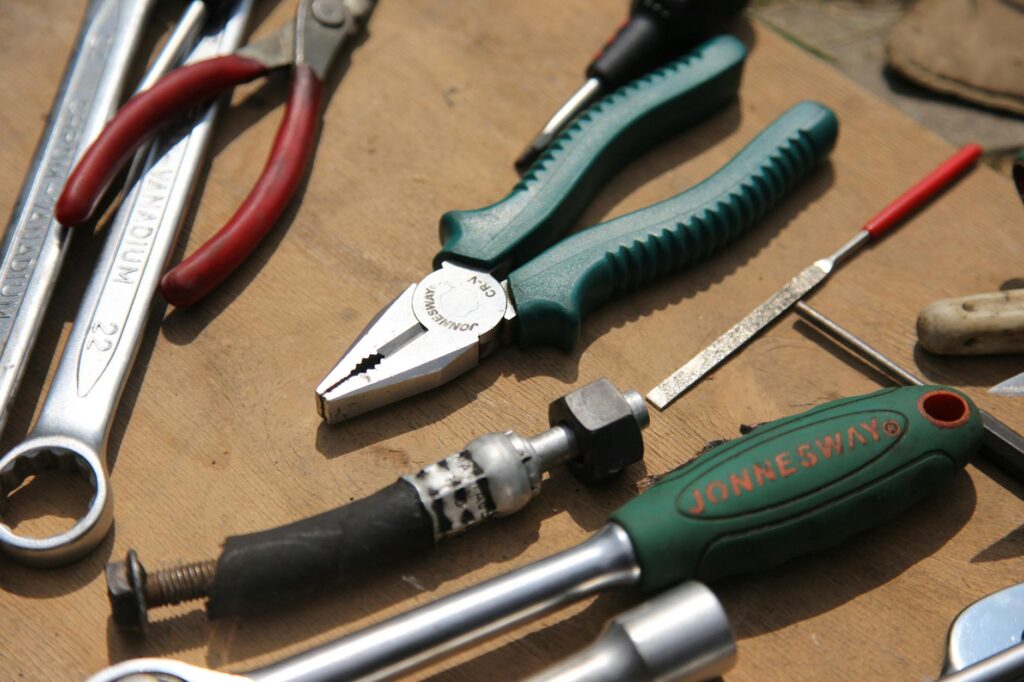
A well-stocked toolkit is fundamental for effective home repair. For most basic DIY tasks, you’ll need a set of screwdrivers (Phillips and flathead), a hammer, a tape measure, pliers, an adjustable wrench, and a utility knife. Safety gear such as work gloves and safety glasses is also indispensable. For more involved projects, consider investing in a power drill/driver, a level, a stud finder, and a basic set of wrenches. Having the right tools not only makes the job easier but also ensures a higher quality of finish and safety.
When to Call a Professional Handyman or Specialist
While DIY home repair is empowering, knowing your limits is critical. Certain repairs require specialized knowledge, tools, or certifications, and attempting them without expertise can be dangerous and more expensive in the long run. This includes major electrical work, gas line repairs, significant structural issues, and complex plumbing problems. For instance, a persistent damp patch on an external wall might indicate a serious structural or damp-proofing issue requiring a specialist survey. As of 2026, reputable online directories and local recommendations are good sources for finding qualified tradespeople. Always get multiple quotes and check references before hiring.
Identifying Structural and Safety Concerns
Structural problems, such as sagging floors, cracked foundations, or damaged roof trusses, pose significant risks to your home’s integrity and safety. Similarly, issues with gas appliances, main electrical panels, or severe roof leaks demand immediate professional attention. These are not DIY tasks. A cracked foundation, for example, can compromise the entire building. According to the National House-Building Council (NHBC) in the UK, structural defects can lead to extensive damage and pose serious safety hazards, necessitating expert diagnosis and repair.
Cost-Benefit Analysis: DIY vs. Professional
Deciding whether to DIY or hire a pro often comes down to a cost-benefit analysis. Simple tasks like painting a room or fixing a running toilet are usually cost-effective DIY projects. The cost of tools and materials for these is typically low, and the time invested yields direct savings on labour. However, for complex repairs where mistakes can be costly (e.g., incorrect tiling leading to water ingress, or faulty electrical work causing appliance damage), hiring a professional might be more economical. A botched DIY job can easily cost more to rectify than hiring an expert from the start.
Preventative Home Maintenance: The Best Repair Strategy
The most effective approach to home repair is often preventative maintenance. Regularly inspecting your home for potential issues can save you from major headaches. This includes cleaning gutters, checking roof tiles, inspecting seals around windows and doors, flushing your water heater, and testing smoke detectors. For example, clearing gutters prevents water from backing up and damaging your roof or foundation. A simple annual home maintenance checklist can guide these efforts. The US Environmental Protection Agency (EPA) notes that regular maintenance of HVAC systems can improve efficiency and extend lifespan, reducing the need for costly repairs.
Creating a Home Maintenance Schedule
A structured maintenance schedule helps ensure no critical tasks are overlooked. Divide tasks by season: spring cleaning and garden preparation, summer checks for irrigation and cooling systems, autumn gutter clearing and draft-proofing, and winter checks for heating and insulation. For interior tasks, consider monthly checks for minor issues, quarterly deep cleans of drains and appliances, and annual professional servicing for systems like boilers or electrical panels. This proactive approach turns ‘home repair’ into a consistent ‘home upkeep’ routine.
Real-World Home Repair Scenarios
Consider a scenario where a homeowner notices a slight musty smell in their bathroom, particularly after showering. Instead of ignoring it, they investigate. They find that the silicone sealant around the bath is cracked, allowing water to seep behind the tiles. This is a classic example of how a minor repair—removing old sealant and applying new—prevents a much larger, more expensive problem like rot in the wall structure or mould infestation. This fix would cost under £20 for materials and a few hours of time, compared to potentially thousands for mould remediation and structural repair.
Another common situation involves a squeaky floorboard. While annoying, it’s usually a sign of loose nails or screws where the floorboard meets the joist. A homeowner might try driving in a new screw, or shimming the gap, to resolve the squeak. If this simple fix doesn’t work, or if the squeak is widespread, it might indicate a more complex subfloor issue requiring professional attention to avoid further damage to the flooring system.
Common Home Repair Mistakes to Avoid
One of the most frequent mistakes is using the wrong materials for a repair. For instance, using standard interior caulk for exterior window sealing will fail quickly due to weather exposure. Another common error is not preparing the surface properly before painting or patching; this leads to poor adhesion and a short-lived fix. Forgetting to turn off power or water before starting a repair is a critical safety oversight. Finally, over-tightening screws can strip threads or crack materials, requiring more extensive repair than the original issue.
Expert Tips for Successful Home Repairs
Always read the manufacturer’s instructions for products like sealants, adhesives, or paints. For minor wall repairs, feathering the edges of the joint compound thinly can make it easier to blend into the existing wall. When replacing a faucet, take photos of the existing setup before you disassemble anything – this helps immensely during reassembly. For a homeowner in a region prone to freezing temperatures, ensuring all exterior pipes are properly insulated is a crucial preventative measure that avoids costly burst pipe repairs in winter. A small investment in insulation can prevent a major emergency repair.
If you’re unsure about a repair’s complexity, start with a smaller, less critical area first to build confidence. For example, try repairing a small scratch on a piece of furniture before attempting to refinish an entire tabletop. How to home repair allows you to practice technique without high stakes.
Frequently Asked Questions
What are the most common home repairs?
The most frequent home repairs involve plumbing (leaky faucets, running toilets, clogged drains), electrical issues (faulty outlets, switch replacements), and surface damage (cracks in drywall, holes, peeling paint). Regular maintenance on items like gutters and seals also falls under common preventative repairs.
How much does it typically cost to hire a handyman for home repair?
Handyman rates vary by location and the complexity of the job. As of May 2026, expect to pay anywhere from £40 to £80 per hour in many UK regions for a general handyman. Some may charge a flat fee for specific tasks. Always clarify rates upfront and get an estimate.
What essential tools should every homeowner have for basic repairs?
A foundational toolkit includes a set of screwdrivers, a hammer, pliers, an adjustable wrench, a tape measure, a utility knife, and safety glasses. For more involved tasks, a power drill and a level are also highly recommended.
Is it worth fixing small issues myself?
Yes, fixing small issues yourself is often worthwhile to save money and build confidence. Simple tasks like replacing a washer in a faucet or patching a small nail hole in drywall are good starting points for DIYers.
When should I absolutely call a professional for home repair?
You should always call a professional for major structural work, complex electrical or gas line repairs, significant plumbing overhauls, or any task where safety is a major concern and you lack the necessary expertise or certification.
How can I prevent common home repairs?
Preventative maintenance is key. Regularly cleaning gutters, checking for leaks under sinks, inspecting seals around windows and doors, and servicing essential systems like boilers can significantly reduce the need for emergency repairs.
Learning how to home repair is an ongoing process that enhances your ability to maintain your living space. By combining practical DIY skills with the wisdom to know when to seek expert help, you can keep your home in excellent condition, ensuring comfort and value for years to come. The actionable takeaway is to schedule a 30-minute home inspection this weekend, identifying one small repair you can tackle yourself.
Source: Britannica
Editorial Note: This article was researched and written by the Little Green Junk editorial team. We fact-check our content and update it regularly. For questions or corrections, contact us.
Related read: How to Home Renovation: Your 2026 Guide to Smart Projects