
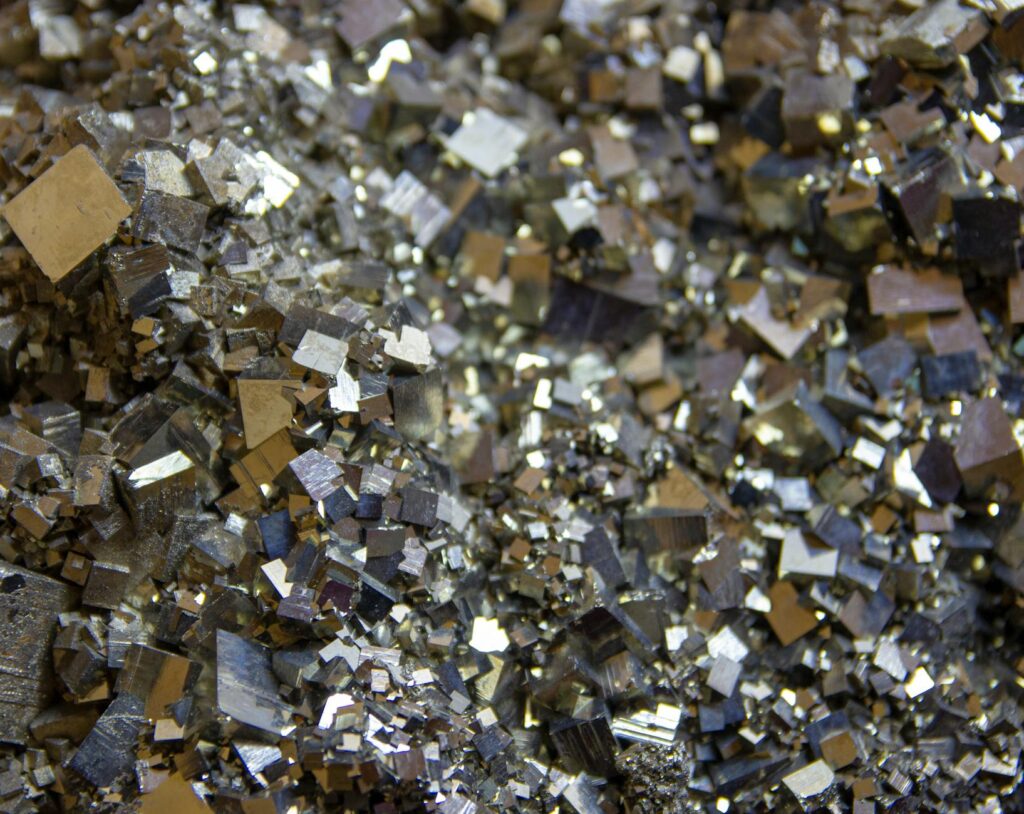
Tungsten: More Than Just Heavy Metal
This guide covers everything about tungsten tungsten. The sheer density of tungsten, approximately 1.7 times that of lead, immediately captures the imagination. But tungsten’s significance extends far beyond its impressive weight. For industries across the UK and globally, this transition metal is indispensable, underpinning everything from cutting tools and lighting to advanced electronics and even defence systems. Understanding its unique properties and the importance of its lifecycle, especially recycling, is Key for sustainable industrial practices.
Last updated: April 22, 2026
What Makes Tungsten So Special?
Tungsten, symbolised by ‘W’ (from its German name, Wolfram), stands out due to a remarkable combination of physical and chemical properties. Its most celebrated characteristic is its exceptionally high melting point, the highest of all pure metals, at 3,422°C (6,192°F). This extraordinary resistance to heat makes it ideal for applications where extreme temperatures are encountered. Also, tungsten boasts incredible hardness and wear resistance, especially when alloyed with carbon to form tungsten carbide (WC).
The density of tungsten is another key factor, contributing to its use in applications requiring high mass in a small volume, such as counterweights and radiation shielding. Its tensile strength is also notable, remaining high even at elevated temperatures. These attributes, meticulously detailed by organisations like the U.S. Geological Survey (2023), make tungsten a metal of choice for demanding industrial environments.
Where Do We Find Tungsten?
Tungsten is relatively rare, found in the Earth’s crust at an average concentration of about 1.3 parts per million. The primary ore sources are wolframite and scheelite. Major global deposits are located in China, Vietnam, Russia, and Canada. For the UK, like most industrialised nations, tungsten is primarily sourced through imports.
Tungsten’s Key Role in UK Industries
The applications of tungsten are diverse, touching many sectors vital to the UK economy. One of the most significant areas is the manufacturing of cemented carbides, tungsten carbide. This superhard material, produced by binding tungsten carbide powder with a binder metal like cobalt, is the backbone of the cutting tool industry. Companies like Sandvik Coromant, a global leader in metal cutting tools, rely heavily on tungsten carbide for producing drill bits, milling cutters, and inserts used in automotive manufacturing, aerospace, and general engineering workshops across the UK.
Tungsten filaments were historically essential for incandescent light bulbs, a testament to its ability to withstand high temperatures without melting. While LED technology has largely replaced incandescent bulbs, tungsten remains critical in specialised lighting, including high-intensity discharge (HID) lamps used in automotive headlights and industrial settings. Its high density also finds application in the aerospace and defence sectors, for example, in kinetic energy penetrators due to its ability to maintain structural integrity upon impact. According to Britannica, its density and hardness also make it valuable in sporting goods like darts.
Beyond the Obvious: Advanced Applications
Tungsten’s utility extends into high-tech fields. In electronics, it’s used in semiconductor manufacturing for interconnects and diffusion barriers due to its low resistivity and high melting point. Its X-ray opacity makes it suitable for medical applications, such as components in X-ray tubes and radiation therapy equipment. Also, alloys containing tungsten are used in high-performance engines and for high-temperature applications in chemical processing plants.
The Challenge of Sourcing and Sustainability
As tungsten isn’t mined in significant quantities within the UK, the nation relies on global supply chains. This reliance makes supply chain security and price volatility key concerns for industries. The geopolitical landscape and the concentration of mining operations in a few countries can impact availability. This highlights the importance of responsible sourcing and, Keyly, effective recycling.
The environmental impact of mining and processing tungsten ore can be substantial, involving significant energy consumption and the potential for land disturbance and water pollution. Regulatory bodies worldwide, including those in the EU with implications for the UK, are increasingly focused on minimising such impacts. According to the European Environment Agency (2022), resource efficiency and circular economy principles are really important for sustainable industrial development.
Tungsten Recycling: A Circular Economy Imperative
Given the finite nature of tungsten deposits and the environmental costs associated with primary extraction, recycling tungsten isn’t just beneficial—it’s essential. Tungsten recycling offers a pathway to reduce reliance on virgin materials, conserve energy, and minimise environmental footprint.
The process of tungsten recycling, especially for tungsten carbide scrap (often referred to as hard metal scrap), is well-established, though technically challenging. The primary method involves chemical or physical separation to recover tungsten carbide from the cobalt binder and any contaminants. Companies in the UK and Europe specialise in this recovery. For instance, recycling tungsten carbide tools can recover up to 90% of the original tungsten content, reducing the need for new ore extraction. This circular approach is economically viable and environmentally responsible.
Practical Tips for Tungsten Recycling in the UK
For businesses generating tungsten carbide waste—such as manufacturing firms, machine shops, and tool refiners—engaging with specialist recyclers is the most effective route. Look for companies that are certified and transparent about their recycling processes. Reputable recyclers will provide documentation on material recovery and environmental compliance.
- Identify Your Scrap: Ensure you’re collecting genuine tungsten carbide waste, free from excessive contamination with other metals like steel or aluminium.
- Segregate Materials: Keep tungsten carbide scrap separate from other metal waste streams to maximise recovery rates and value.
- Partner with Specialists: Research UK-based metal recycling companies with specific expertise in hard metal or tungsten carbide recovery. Some prominent names include Ecolife (as an example of a directory, actual companies vary) or dedicated industrial metal processors.
- Understand the Process: Ask recyclers about their methods – hydrometallurgical (chemical) and pyrometallurgical (high-temperature) processes are common.
- Quantify and Track: Keep records of the amount of tungsten scrap you send for recycling. This data is valuable for corporate sustainability reporting.
The value of recycled tungsten carbide scrap fluctuates based on market demand and the purity of the recovered material. However, it consistently represents a significant cost saving compared to purchasing virgin tungsten. For example, recovered tungsten can be up to 50% cheaper than new material, according to industry estimates.
What About Other Tungsten Products?
While tungsten carbide is the most commonly recycled form, other tungsten-containing products also have recycling potential. Spent X-ray targets, certain types of electrodes, and even some electronic components can be processed to recover tungsten. The complexity and economic feasibility of recycling these items vary, but advancements in recycling technologies are continuously expanding the scope of what can be recovered.
Frequently Asked Questions
what’s the primary use of tungsten?
The primary use of tungsten, especially in its carbide form, is in the manufacturing of hard, wear-resistant tools for cutting, drilling, and shaping metals and other materials across various industries like automotive and aerospace.
Is tungsten a rare metal?
Yes, tungsten is considered a relatively rare metal, making up only about 1.3 parts per million of the Earth’s crust — which necessitates efficient recycling to meet industrial demand.
Can tungsten be recycled?
Absolutely. Tungsten carbide, the most common industrial form, is highly recyclable, with recovery rates often exceeding 90% of the original tungsten content.
Why is tungsten so expensive?
Tungsten’s price is influenced by its rarity, the energy-intensive processes required for extraction and refinement, its unique and valuable properties, and geopolitical factors affecting global supply.
What are the environmental concerns with tungsten mining?
Tungsten mining can lead to significant environmental impacts, including high energy consumption, land disruption, and potential water contamination, making recycling a critical aspect of sustainable resource management.
The Future of Tungsten
As industries continue to push the boundaries of material science and performance, the demand for tungsten’s unique properties is unlikely to diminish. Innovations in additive manufacturing (3D printing) are exploring new ways to utilise tungsten and its alloys, potentially opening up further applications. Simultaneously, the drive towards a circular economy will only amplify the importance of tungsten recycling.
For businesses operating in the UK, embracing tungsten recycling is a strategic move. It not only contributes to environmental sustainability and resource conservation but also offers tangible economic benefits through reduced material costs and enhanced supply chain resilience. By actively participating in tungsten recycling programs, companies can solidify their commitment to responsible industrial practices and secure a vital resource for future innovation.
Editorial Note: This article was researched and written by the Little Green Junk editorial team. We fact-check our content and update it regularly. For questions or corrections, contact us.