
Crete: The Mediterranean Sea’s Crown Jewel
Crete, the largest of the Greek islands, is a land steeped in myth and history, proudly situated in the heart of the Mediterranean Sea. Roughly 160 kilometres (100 miles) south of mainland Greece, its position has made it a crossroads of civilizations for over 4,000 years. From the legendary Palace of Knossos, the centre of the advanced Minoan civilization, to its vibrant modern culture and breathtaking natural beauty, Crete offers an unparalleled travel experience. This island is more than just a holiday spot. it’s a journey through time, a sensory feast, and a testament to the enduring spirit of the Mediterranean.
Last updated: April 22, 2026
what’s Crete’s geographic significance in the Mediterranean Sea?
Crete’s strategic location in the southeastern Mediterranean Sea, midway between Europe, Asia, and Africa, has historically made it a vital hub for trade, culture, and conquest. Its long coastline and natural harbours facilitated maritime connections, influencing the rise and fall of empires and building a unique island identity.
The Ancient Echoes: Minoan Civilization
The story of Crete is inextricably linked to the Minoan civilization — which flourished from approximately 2700 to 1450 BCE. This Bronze Age culture, named after the mythical King Minos, was advanced for its time. The Minoans were skilled seafarers, artists, and architects, known for their elaborate palaces, sophisticated drainage systems, and vibrant frescoes depicting scenes of nature, religious rituals, and bull-leaping. The most famous site is the Palace of Knossos, near modern-day Heraklion. According to The Metropolitan Museum of Art (2002), evidence suggests a complex social structure and a matriarchal influence within Minoan society. ruins of Knossos, with its labyrinthine passages and colourful murals, offers a tangible connection to this ancient world.
Beyond Knossos: Other Minoan Sites
While Knossos is the most famous, other significant Minoan sites dot the island. The palace at Phaistos, overlooking the Messara plain, reveals a similar architectural grandeur and artistic sophistication. The Minoan settlement at Akrotiri on the nearby island of Santorini (though not Crete itself) provides an astonishingly preserved glimpse into Minoan life, buried by volcanic ash much like Pompeii. These sites collectively demonstrate the Minoans’ advanced understanding of engineering and their deep connection to the sea.
Crete’s Diverse Landscapes
Crete’s geography is as varied as its history. The island is dominated by three major mountain ranges: the White Mountains (Lefka Ori) in the west, Mount Ida (Psiloritis) in the centre, and the Dikti Mountains in the east. These rugged interiors are home to dramatic gorges, including the famous Samaria Gorge, one of Europe’s longest at 16 kilometres (10 miles). This challenging hike, typically open from May to October, is a highlight for adventurous travellers, offering spectacular scenery and a chance to see unique flora and fauna. According to the National Geographic (2021), the gorge is a protected biosphere reserve, home to the endangered Kri-kri, a native wild goat.
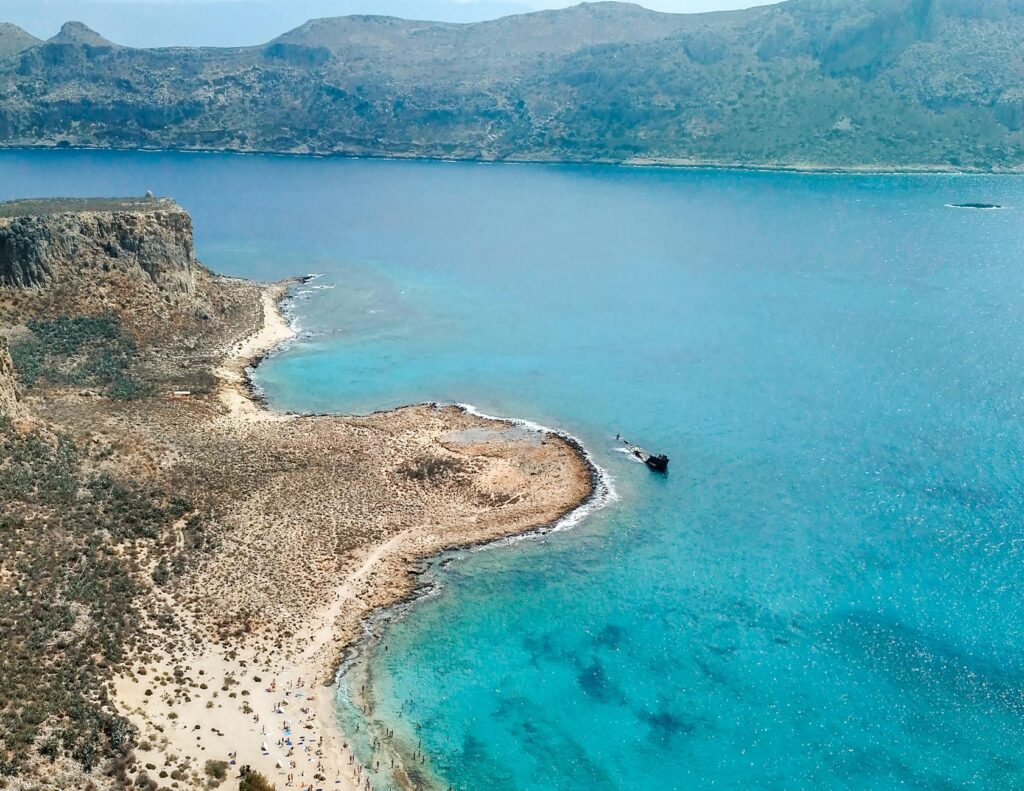
Contrastingly, Crete boasts an extensive coastline featuring a dazzling array of beaches. From the pink sands of Elafonissi and the turquoise lagoon of Balos in the west to the palm-fringed shores of Vai in the east, there’s a beach to suit every taste. The Mediterranean climate ensures long, hot summers perfect for sunbathing and swimming, with average July temperatures often reaching 29-30°C (84-86°F). Visitors can enjoy water sports, relax under the sun, or explore hidden coves accessible only by boat.
Venetian and Ottoman Influences
Following the decline of the Minoans and subsequent periods of occupation, Crete fell under Venetian rule from 1204 to 1669. This era left an indelible mark on the island’s architecture, especially in the charming old towns of Chania and Rethymno. Here, you’ll find narrow, winding streets, elegant Venetian harbours, loggias, and fortifications. The Loggia del Provveditore in Rethymno and the Venetian Lighthouse in Chania are iconic examples. Later, the Ottoman Empire controlled Crete for over two centuries, adding mosques and traditional houses to the architectural mix. This layered history is palpable as you wander through these historic centres.
Cretan Culture and Cuisine
The Cretan people are known for their strong sense of identity, hospitality (filoxenia), and pride in their traditions. Music, dance, and festivals play a significant role in island life. The local cuisine is renowned worldwide for its health benefits and exquisite flavours, forming a cornerstone of the Mediterranean diet. Based on research published in the Public Library of Science (2011), the traditional Cretan diet, rich in olive oil, wild greens, fruits, vegetables, legumes, and moderate amounts of fish and dairy, is associated with increased longevity and reduced risk of chronic diseases. Cretan olive oil, in particular, is considered among the finest, with the island producing around 30% of Greece’s total olive oil production.
Key ingredients include fresh vegetables, aromatic herbs like oregano and thyme, local cheeses such as graviera and mizithra, and succulent lamb. Don’t miss trying dakos (rusks topped with tomatoes and feta), kalitsounia (small cheese pies), and the refreshing raki (a distilled spirit) often offered as a digestif. Experiencing authentic Cretan food is an essential part of any visit.
Practical Tips for Visiting Crete
Planning a trip to Crete involves considering the best time to visit and how to get around. The shoulder seasons, April to June and September to October, offer pleasant weather, fewer crowds, and lower prices compared to the peak summer months of July and August. However, if your primary goal is beach relaxation and swimming, July and August provide the warmest sea temperatures.
Getting Around
Crete is a large island, and renting a car is highly recommended for exploring its diverse attractions at your own pace. Companies like Hertz and Avis operate rental services, and booking in advance, especially during peak season, is advisable. Public buses (KTEL) connect major towns and some villages, offering a more budget-friendly option, but they’re less flexible for reaching remote beaches or archaeological sites. Ferries connect Crete to mainland Greece (Piraeus) and other islands, with Heraklion and Chania being the main port cities.
Where to Stay
Accommodation options range from luxury resorts and boutique hotels to family-run guesthouses and apartments. Popular bases include the vibrant city of Chania with its Venetian harbour, the lively resort town of Rethymno, and the capital city Heraklion — which is close to Knossos and the airport. For a quieter experience, consider staying in smaller villages or coastal towns like Agios Nikolaos or Elounda.
What to Pack
Pack light clothing suitable for warm weather, including swimwear, comfortable walking shoes for exploring ancient sites and gorges, a hat, and high-SPF sunscreen. A light jacket or sweater might be useful for cooler evenings, especially during the shoulder seasons. Don’t forget insect repellent for evenings, especially if you’re staying near the coast.
Frequently Asked Questions
Is Crete part of the Mediterranean Sea?
Yes, Crete is the largest island located in the southern part of the Aegean Sea — which is itself an arm of the Mediterranean Sea.
what’s the best time of year to visit Crete?
The shoulder seasons of spring (April-June) and autumn (September-October) offer the best balance of pleasant weather, fewer crowds, and reasonable prices for visiting Crete.
What are the main attractions in Crete?
Key attractions include the Palace of Knossos, Samaria Gorge, the old towns of Chania and Rethymno, and stunning beaches like Elafonissi and Balos.
Is Crete suitable for families?
Absolutely. Crete offers a lots of family-friendly beaches, water parks, historical sites that can spark children’s imaginations, and numerous resorts catering to families.
How large is Crete?
Crete is approximately 255 kilometres (158 miles) long and 60 kilometres (37 miles) wide at its widest point, covering an area of about 8,336 square kilometres (3,219 square miles).
Planning Your Cretan Adventure
Crete offers an intoxicating blend of ancient history, vibrant culture, stunning natural beauty, and delicious cuisine, all set against the backdrop of the sparkling Mediterranean Sea. Whether you’re drawn to the myths of the Minoans, the challenge of hiking through dramatic gorges, the relaxation of sun-drenched beaches, or the simple pleasure of savouring local delicacies, this island promises an unforgettable experience. Start planning your journey to this Mediterranean gem and discover its timeless appeal for yourself.