
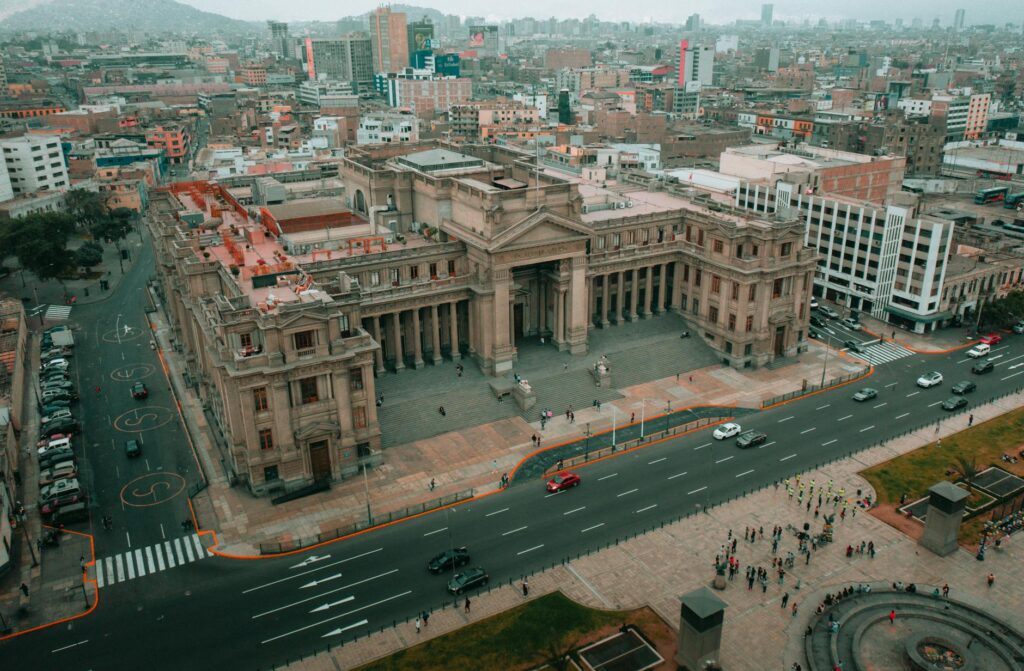
Lima: More Than Just a Gateway to Peru
This guide covers everything about capital of peru. When planning a trip to Peru, the capital city, Lima, often serves as the initial entry point. However, this sprawling coastal metropolis is far more than just a transit hub. it’s a destination teeming with history, culture, and an internationally acclaimed culinary scene. With a population exceeding 10 million people, Lima is the largest city in Peru and a vital economic and cultural center for the entire Andean region. Understanding its nuances is key to unlocking a truly memorable experience.
Last updated: April 22, 2026
Lima, the capital of Peru, is a dynamic coastal city that offers a compelling mix of ancient history, vibrant culture, and a world-renowned culinary landscape. It serves as the primary international gateway to Peru, making it an essential starting point for most visitors country’s wonders.
A Glimpse into Lima’s Rich History
Founded by Spanish conquistador Francisco Pizarro on January 18, 1535, Lima holds a significant place in colonial history. Initially named the “City of Kings,” it quickly became the most important city in the Viceroyalty of Peru, serving as its political, administrative, and cultural heart for centuries. This historical significance is palpable in its architecture, especially in the UNESCO World Heritage-listed Historic Centre.
Key historical landmarks include the Plaza Mayor (Plaza de Armas), Lima Cathedral, and the Convent of San Francisco, with its famous catacombs. Walking through these areas feels like stepping back in time. The city’s historical layers are also evident in pre-Incan archaeological sites like Huaca Pucllana and Huaca Huallamarca, remnants of civilizations that thrived long before the Spanish arrived.
Navigating Lima: Transportation Tips
Getting around Lima can be an adventure in itself. The city’s vastness and traffic necessitate a strategic approach to transportation. For many visitors, taxis and ride-sharing apps like Uber and Cabify offer convenient options, especially for direct routes between tourist areas like Miraflores and Barranco, or to and from Jorge Chávez International Airport (LIM). It’s advisable to use reputable services and confirm the fare or meter before starting your journey.
Public transportation, while extensive, can be challenging for newcomers. The Metropolitano bus system is a more organized option, with dedicated lanes on major arteries. However, it primarily serves specific corridors. For those seeking a more immersive experience, local buses (known as “combis”) are ubiquitous but can be crowded and operate with less predictable routes. According to the International Living (2023), while traffic can be intense, many expats find the Metropolitano a reliable and affordable way to navigate key parts of the city.
The Culinary Capital: Lima’s Food Scene
Lima’s reputation as one of the world’s premier culinary destinations is well-deserved. The city boasts an incredible diversity of flavors, influenced by its indigenous heritage, Spanish colonization, and waves of immigration from Italy, China, Japan, and West Africa. Peruvian cuisine has garnered international acclaim, with many Lima-based restaurants consistently ranking among the world’s best.
Must-try dishes include ceviche (fresh raw fish cured in citrus juices), lomo saltado (a stir-fry of beef, onions, tomatoes, and fries), and ají de gallina (creamy shredded chicken). For an unforgettable dining experience, consider booking reservations well in advance at renowned establishments like Central or Maido. Even casual eateries and street food stalls offer delicious and authentic tastes of Peru. According to Gastón Acurio, a globally recognized Peruvian chef and restaurateur, the strength of Peruvian cuisine lies in its incredible biodiversity and the fusion of its cultural influences.
Exploring Lima’s Districts
Lima is a city of distinct neighborhoods, each offering a unique atmosphere and attractions. Miraflores is perhaps the most popular with tourists. This modern, upscale district overlooks the Pacific Ocean and features beautiful parks (like Parque Kennedy and Parque del Amor), high-end hotels, restaurants, and shopping centers. It’s a safe and pleasant area for walking, with stunning coastal views.
Adjacent to Miraflores is Barranco, known for its bohemian vibe, colorful colonial architecture, vibrant arts scene, and lively nightlife. The Puente de los Suspiros (Bridge of Sighs) is a famous landmark here. Further inland, the Historic Centre of Lima transports visitors back to the colonial era with its grand plazas and centuries-old buildings.
For those interested in ancient history, the districts of Pueblo Libre and San Isidro offer important archaeological sites. character of each district helps in planning your itinerary and maximizing your time in the capital of Peru.
Cultural Etiquette and Practical Tips
To make the most of your visit to Lima, understanding local customs and practicalities is essential. Peruvians are generally warm and welcoming. A polite greeting, “Buenos días” (Good morning) or “Buenas tardes” (Good afternoon), goes a long way. While Spanish is the official language, English is spoken in tourist-heavy areas and hotels.
When dining, tipping is customary but not always mandatory. A service charge might be included on the bill. if not, a 10% tip is appreciated for good service. Regarding safety, while Lima is a large city, exercising common sense precautions is recommended. According to the U.S. Department of State’s travel advisories for Peru (2024), visitors should be aware of petty crime, especially in crowded areas and on public transportation. Keeping valuables secure and avoiding displays of wealth can enhance your safety.
Beyond the City: Day Trips from Lima
While Lima itself offers abundant attractions, its strategic location makes it an ideal base for exploring surrounding areas. Day trips can provide a deeper understanding of Peru’s diverse geography and history.
One popular excursion is to the Ballestas Islands, often referred to as the “Galapagos of Peru.” Located near Paracas, a few hours south of Lima, these islands are a sanctuary for marine life, including sea lions, Humboldt penguins, and numerous seabird species. Boat tours offer incredible wildlife viewing opportunities.
Another worthwhile trip is to the Caral-Supe archaeological site. This UNESCO World Heritage site is considered the oldest city in the Americas, with evidence of civilization dating back over 5,000 years. Visiting Caral offers a profound glimpse into the complexity of early Andean societies, predating even the Egyptian pyramids.
Frequently Asked Questions
what’s the best time of year to visit Lima?
Lima experiences a mild desert climate year-round. The best time to visit is generally from April to November, when the weather is drier and cooler, often characterized by a persistent coastal mist (garúa) that burns off during the day. December to March is warmer and more humid, with occasional sunny spells.
Is Lima safe for tourists?
Lima is generally safe for tourists, especially in popular areas like Miraflores and Barranco. However, like any large city, it’s important to be aware of your surroundings, avoid walking alone late at night in less-trafficked areas, and secure your valuables. Using reputable taxis or ride-sharing services is advised.
What currency is used in Lima?
The official currency in Peru is the Peruvian Nuevo Sol (PEN). While U.S. dollars are accepted in some tourist establishments, it’s best to carry Soles for most transactions, especially in local markets and smaller shops. ATMs are widely available, and credit cards are accepted in most hotels, restaurants, and larger stores.
How do I get from Lima airport to Miraflores?
The most convenient ways to get from Jorge Chávez International Airport (LIM) to Miraflores are by pre-booked airport taxi, a ride-sharing service, or a dedicated airport shuttle service. The journey typically takes 45-90 minutes, depending on traffic conditions. Public buses aren’t a direct or recommended option from the airport.
What are the must-try foods in Lima besides ceviche?
Beyond ceviche, Lima offers a rich culinary tapestry. Don’t miss lomo saltado (a delicious beef stir-fry), ají de gallina (creamy chicken stew), anticuchos (grilled beef heart skewers), causa (a layered potato dish), and rocoto relleno (stuffed spicy peppers). city’s diverse gastronomic offerings is a highlight of any visit.
Planning Your Lima Itinerary
Lima, the capital of Peru, offers a captivating blend of history, culture, and gastronomy. Whether you’re drawn to its colonial architecture, its world-class culinary scene, or its fascinating pre-Columbian past, the city provides a rich and rewarding experience. By understanding its transportation options, cultural norms, and diverse districts, you can navigate this dynamic metropolis with confidence and make the most of your Peruvian adventure. Prepare to be surprised by the depth and vibrancy that Lima has to offer.
Related Articles
- SAVE Act Status: What's Next for Voting?
- Reneé Zellweger's Face: The Truth Behind the Transformations
- Music Genres for Beginners: Your First 5 Picks
Editorial Note: This article was researched and written by the Little Green Junk editorial team. We fact-check our content and update it regularly. For questions or corrections, contact us.