agement system. It prioritizes actions in order of environmental preference: prevention, reduction, reuse, recycling, recovery (including energy recovery), and finally, disposal. Each step offers opportunities to lessen the burden on landfills and natural resources.
Last updated: May 1, 2026
For instance, a restaurant might implement a policy of buying ingredients in bulk with minimal packaging (prevention) and training staff to portion meals precisely to avoid plate waste (reduction). These proactive measures are far more impactful than simply ensuring leftover food is composted (recycling/recovery).
Practical Insight: Regularly review your waste streams against the hierarchy. Are you prioritizing prevention and reduction before moving to recycling or disposal?
Source Reduction: The First Line of Defense
Source reduction, also known as waste prevention, is the most effective way to manage waste. It involves designing products and processes to eliminate or minimize waste generation from the outset. This philosophy is central to the concept of a circular economy, where resources are kept in use for as long as possible.
Consider a manufacturing company that redesigns its product packaging to use less material, or a software company that offers digital manuals instead of printed ones. These actions directly reduce the volume of waste produced, saving resources and disposal costs.
Practical Insight: Conduct a ‘waste audit’ to identify the largest sources of waste in your operations. Can materials be eliminated, substituted, or redesigned?
Optimizing Recycling and Composting Programs
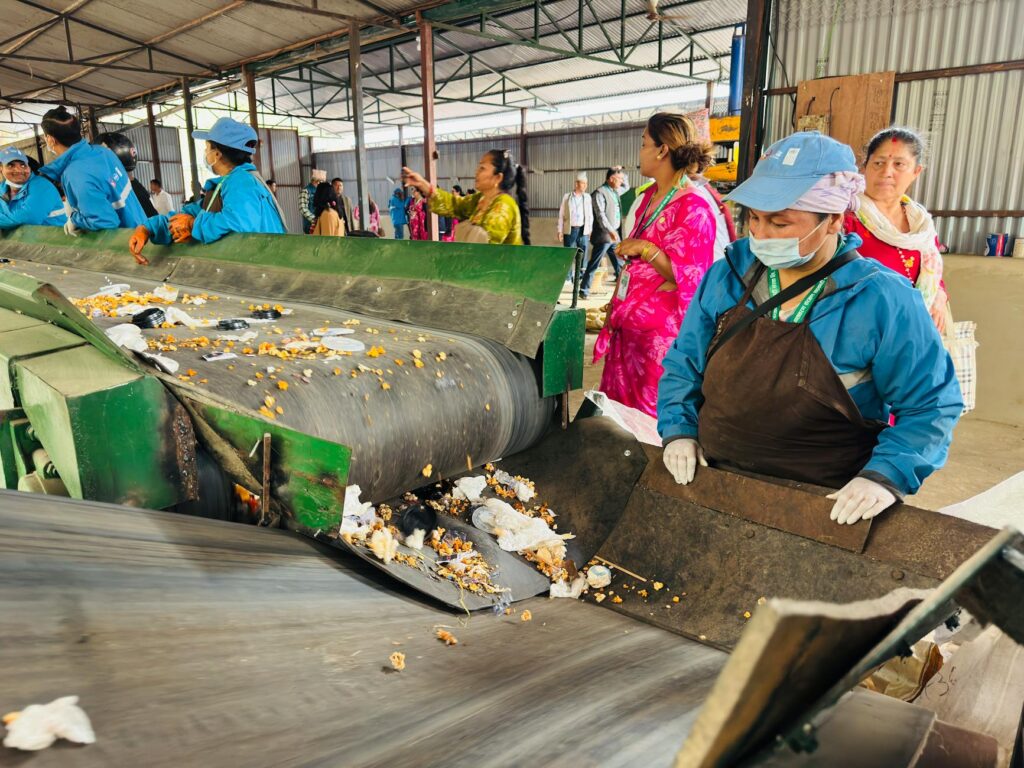
While source reduction is ideal, effective recycling and composting remain vital. As of 2026, advancements in sorting technology, such as AI-powered optical sorters, are significantly increasing the purity and value of recycled materials. Ensuring clean streams of recyclables is paramount.
A community composting initiative, for example, can divert tons of organic waste from landfills annually. Successful programs require clear public education on what materials are accepted and how to prepare them. According to the U.S. Environmental Protection Agency (2023), proper sorting can increase recycling rates by up to 50% in certain material streams.
Practical Insight: Invest in clear signage, training, and accessible collection points for recyclables and organic waste. Regular audits of your collected materials can identify contamination issues.
Embracing the Circular Economy Model
The circular economy is a big change from the linear ‘take-make-dispose’ model. It focuses on designing out waste and pollution, keeping products and materials in use, and regenerating natural systems. Implementing circular economy principles is a key differentiator for forward-thinking organizations in 2026.
Companies are increasingly exploring product-as-a-service models, where they retain ownership and responsibility for products throughout their lifecycle, facilitating repair, remanufacturing, and end-of-life recycling. Patagonia, for instance, has long encouraged customers to repair their clothing, extending product life and reducing the need for new purchases.
Practical Insight: Explore opportunities for your business to collaborate with others, share resources, or design products for disassembly and reuse.
Waste-to-Energy: Recovering Value from Residual Waste
For waste that can’t be prevented, reduced, reused, or recycled, waste-to-energy (WtE) technologies offer a valuable recovery option. These processes convert non-recyclable waste into electricity, heat, or other forms of energy, thereby diverting waste from landfills while generating a useful commodity.
Modern WtE facilities, like those operated by Covanta, employ advanced emission control technologies to minimize environmental impact. These facilities are often crucial components of integrated waste management systems in urban areas, handling significant volumes of municipal solid waste.
Practical Insight: Investigate whether WtE facilities are accessible in your region and if they align with your waste management goals and local regulations.
Specialized Handling for Hazardous Waste
Hazardous waste management requires stringent protocols due to the potential risks to human health and the environment. This includes materials like chemicals, batteries, electronic waste (e-waste), medical waste, and certain industrial byproducts. Proper identification, segregation, storage, transportation, and disposal are critical.
For example, the disposal of lithium-ion batteries from electronics must follow specific guidelines to prevent fires and the release of toxic metals. Many regions now mandate specialized collection events or drop-off points for e-waste and batteries, managed by certified handlers.
According to the World Health Organization (2024), improper management of healthcare waste can lead to disease transmission and environmental pollution.
Practical Insight: Maintain an up-to-date inventory of all hazardous materials used and stored. Partner with licensed hazardous waste disposal companies for compliant handling and documentation.
using Technology for Better Waste Management
Technology is transforming waste management. Smart bins equipped with sensors can monitor fill levels, optimizing collection routes and reducing fuel consumption. Data analytics platforms provide insights into waste generation patterns, enabling more targeted reduction strategies. Advanced robotics are also being deployed in sorting facilities.
Companies like Rubicon Global use technology to connect businesses with waste haulers and recyclers, optimizing logistics and providing transparency. Their platform helps businesses track their waste diversion rates and identify cost-saving opportunities, demonstrating how digital tools enhance operational efficiency.
Practical Insight: Explore software solutions and smart technologies that can provide real-time data on your waste streams, helping you make informed decisions.
Real-World Application: A Case Study in Sustainable Retail
A large retail chain, aiming to significantly improve its waste management practices by 2026, implemented a multi-faceted strategy. They began with a complete waste audit across 100 stores, identifying that packaging, food waste, and damaged goods constituted the largest waste streams.
Their approach included:
- Source Reduction: Renegotiating supplier contracts to reduce incoming packaging materials by 15%.
- Reuse: Implementing a system for reusable pallets and containers within their distribution network.
- Recycling: Upgrading in-store recycling infrastructure and training staff on proper sorting for plastics (PET, HDPE), cardboard, and metals, achieving a 70% diversion rate for these materials.
- Composting: Partnering with local providers to compost food waste from in-store cafes and perishable goods.
- E-waste: Establishing dedicated collection points for customer electronics and ensuring responsible disposal through a certified e-waste recycler.
This integrated approach not only diverted over 60% of their total waste from landfills within 18 months but also led to a 10% reduction in waste disposal costs. The initiative also enhanced their brand image as an environmentally conscious retailer.
Common Mistakes in Waste Management Practices
One common pitfall is failing to educate employees or residents. Without clear guidelines on sorting and reduction techniques, recycling contamination rates can skyrocket, rendering collected materials unusable. Ensure your waste management plan includes ongoing training and clear, accessible communication.
Another mistake is treating all waste the same. Not differentiating between general waste, recyclables, and hazardous materials can lead to improper disposal, environmental damage, and potential fines. Implementing a strong segregation system is essential.
Finally, neglecting to track and analyze waste data is a missed opportunity. Without understanding what you’re throwing away and how much, it’s impossible to identify effective reduction strategies or measure progress. Regularly reviewing waste reports and audit findings allows for continuous improvement.
Expert Tips for Advanced Waste Management
Think Beyond Compliance: Regulations are a baseline, not a goal. Aim for best-in-class performance that minimizes environmental footprint and potentially creates economic value.
Foster a Culture of Sustainability: Encourage input from all levels of your organization or household. Employees who are empowered to suggest waste-saving ideas often drive the most impactful changes.
Invest in Long-Term Solutions: While some initiatives have immediate payoffs, others require upfront investment in technology or infrastructure. Prioritize solutions that offer sustainable benefits over the long haul, aligning with UN Sustainable Development Goal 12 for responsible consumption and production.
Stay Informed on Innovations: The waste management sector is rapidly evolving. Keep abreast of new technologies, materials science advancements, and policy changes that could offer better solutions.
Frequently Asked Questions
What is the most important principle in waste management?
The most important principle is the waste hierarchy, prioritizing prevention and reduction of waste generation above all other methods like recycling or disposal.
How can businesses reduce their waste footprint in 2026?
Businesses can reduce their footprint by implementing source reduction strategies, optimizing packaging, switching to digital processes, and establishing complete recycling and composting programs.
What are the biggest challenges in waste management today?
Current challenges include increasing volumes of waste, the complexity of managing diverse materials (especially plastics and e-waste), contamination in recycling streams, and the need for greater public engagement.
Is waste-to-energy a sustainable solution?
Waste-to-energy can be a sustainable component of an integrated system by recovering energy from non-recyclable waste, but it should not detract from efforts in prevention, reduction, and recycling.
How does the circular economy impact waste management?
The circular economy fundamentally shifts waste management from disposal to resource recovery, emphasizing product design for longevity, repair, and reuse, thereby minimizing waste generation.
What is considered hazardous waste?
Hazardous waste includes materials that are toxic, corrosive, flammable, or reactive, posing a threat to human health and the environment. Examples include certain chemicals, batteries, and e-waste.
Conclusion
Mastering how to waste management practices in 2026 means moving beyond conventional methods to embrace a complete, technology-driven, and circular approach. It requires a commitment to the waste hierarchy, innovative solutions, and continuous improvement.
Actionable Takeaway: Conduct a detailed waste audit within the next month to identify your top three waste streams and develop specific reduction targets.
Editorial Note: This article was researched and written by the Little Green Junk editorial team. We fact-check our content and update it regularly. For questions or corrections, contact us.