Tired of Piles of Trash? Let’s Simplify Waste Management
This guide covers everything about waste management for dummies. Imagine this: you’re standing at your kitchen bin, overflowing with yesterday’s leftovers, packaging, and mail. You toss it all in, feeling a pang of guilt, but what else can you do? Many of us feel overwhelmed by the sheer volume of waste we produce. Fortunately, as of May 2026, understanding and implementing effective waste management doesn’t require a degree. It’s about adopting a few smart habits.
Last updated: May 1, 2026
- Effective waste management in 2026 is achievable through simple habits like sorting, reducing consumption, and proper disposal.
- The 3 R’s—Reduce, Reuse, Recycle—form the cornerstone of a sustainable waste strategy for any household.
- Composting organic waste significantly cuts down landfill contributions and creates valuable soil amendments.
- Educating yourself on local waste disposal guidelines is crucial for compliance and environmental protection.
- Small, consistent changes in daily routines can collectively lead to a substantial reduction in household waste.
What Exactly is Waste Management?
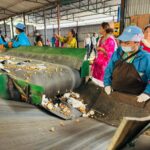
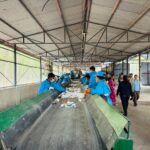
At its core, waste management is the collection, transportation, processing, recycling, or disposal of waste materials. It’s about how we deal with the trash and junk we generate daily. The goal isn’t just to get rid of it, but to do so in a way that minimizes harm to human health and the environment. This includes everything from your discarded food scraps to old electronics.
Example: Your local municipality handles waste management by providing curbside pickup for trash and recycling bins, contracting landfill services, and sometimes offering special collection days for bulk items or hazardous waste.
Practical Insight: Understanding your local waste management system is the first step; knowing what goes where prevents contamination and ensures resources are properly handled.
The Power of the 3 R’s: Reduce, Reuse, Recycle
These three simple words are the bedrock of responsible waste management for dummies and experts alike. They provide a hierarchy for how to approach the waste we produce.
Reduce: This is the most effective step. It means consuming less in the first place. Think about buying products with minimal packaging or opting for reusable items over single-use ones. For instance, carrying a reusable water bottle and coffee cup can significantly cut down on disposable plastic and paper waste.
Reuse: Before discarding something, consider if it can be used again for its original purpose or a new one. Old glass jars can become storage containers, and worn-out clothing can be repurposed as cleaning rags. This extends the life of products and delays their entry into the waste stream.
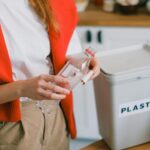
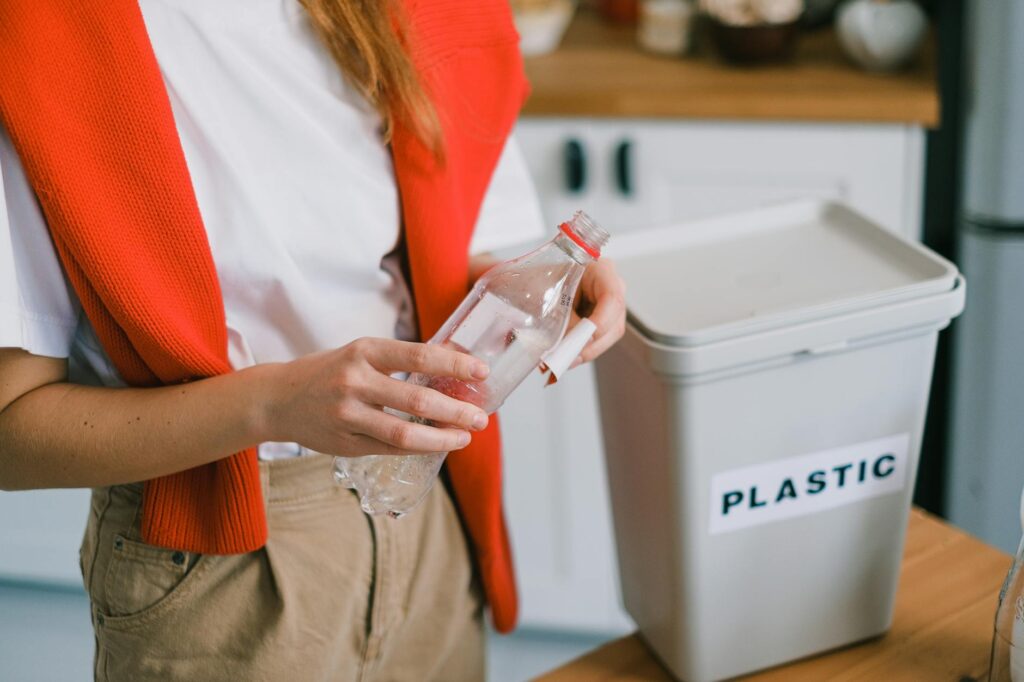
Recycle: This is what most people think of first. Recycling involves processing used materials into new products. It conserves natural resources, saves energy, and reduces pollution. It’s crucial to know what materials are accepted by your local recycling program to avoid contaminating the stream. According to the U.S. Environmental Protection Agency (EPA) (2023), recycling helps conserve valuable resources.
Practical Insight: Prioritizing ‘Reduce’ and ‘Reuse’ before ‘Recycle’ has a far greater positive impact on resource conservation and waste reduction.
Beyond the Bin: Composting Organic Waste
A significant portion of household waste is organic material—food scraps, yard trimmings, and paper products. Instead of sending these to a landfill, where they produce methane (a potent greenhouse gas), they can be composted.
Composting turns organic waste into a nutrient-rich soil conditioner. You can do this in your backyard with a compost bin or pile, or even indoors with a worm bin (vermicomposting). This process requires a balance of ‘greens’ (nitrogen-rich materials like food scraps) and ‘browns’ (carbon-rich materials like dry leaves and cardboard).
Example: A typical household might compost fruit peels, vegetable scraps, coffee grounds, tea bags, eggshells, and shredded newspaper. These items, when combined with yard waste, break down into valuable compost for gardening.
Practical Insight: Start small with composting by collecting only kitchen scraps. As you get comfortable, you can expand to include yard waste and other compostable materials.
Navigating Local Waste Disposal Guidelines
Waste management rules and services vary significantly by city, county, and even neighborhood. What can be recycled in one area might be considered trash in another. Understanding these local guidelines is crucial for effective and compliant waste management.
Check your local municipality’s website or waste management provider. They typically provide detailed information on:
- What items are accepted in curbside recycling bins.
- How to prepare recyclables (e.g., rinsing containers).
- Special collection services for electronics, hazardous waste (like batteries and paint), and bulky items.
- Yard waste and composting programs.
- Rules for commercial waste disposal if you operate a business.
Example: Some cities have single-stream recycling, where all accepted recyclables go into one bin. Others use dual-stream, requiring separation of paper from plastics and metals. As of 2026, many municipalities are also expanding programs to include more types of plastics or food scraps.
Practical Insight: Keep a printed or digital copy of your local recycling guide handy near your bins to ensure quick and accurate sorting.
Dealing with Specific Waste Streams
Not all waste is created equal. Some items require special handling to prevent environmental damage or safety hazards.
E-Waste: Old electronics like phones, computers, and TVs contain valuable materials but also hazardous substances. Many communities have designated e-waste drop-off locations or collection events. Retailers like Best Buy often offer electronics recycling services.
Hazardous Household Waste (HHW): Items like batteries, fluorescent bulbs, cleaning chemicals, pesticides, and motor oil can pollute soil and water if not disposed of properly. HHW collection events or drop-off sites are usually the best options. According to the EPA (2024), improper disposal of HHW can have severe environmental consequences.
Bulky Waste: Large items such as furniture, appliances, and mattresses often require special pickup arrangements. Contact your waste management provider to schedule a bulky waste collection or find out about disposal sites.
Practical Insight: Before discarding any electronic or hazardous item, search your local government’s website for specific disposal instructions or nearest drop-off points.
The Environmental Impact: Why Does This Matter?
Understanding waste management for dummies is critical because our collective waste habits have a profound impact on the planet. Landfills take up valuable space, can leach toxins into groundwater, and release methane, contributing to climate change.
Extracting raw materials for new products also depletes natural resources and often involves energy-intensive processes that cause pollution. By managing our waste better, we can:
- Conserve natural resources like timber, water, and minerals.
- Save energy required to manufacture products from raw materials.
- Reduce greenhouse gas emissions that contribute to climate change.
- Prevent pollution of air, water, and soil.
- Create jobs in recycling and waste processing industries.
Example: Recycling one ton of paper can save 17 mature trees, 7,000 gallons of water, and enough energy to power the average American home for six months. This is a significant saving compared to making paper from virgin pulp.
Practical Insight: Connecting your daily waste habits to their environmental consequences can be a powerful motivator for change.
Common Waste Management Mistakes (And How to Fix Them)
Even with good intentions, people often make mistakes that hinder effective waste management.
Mistake 1: “Wish-cycling”
This is putting items in the recycling bin hoping they are recyclable, even if you’re unsure. This contaminates the recycling stream, making it harder and more expensive to process, sometimes leading to entire batches being sent to landfill.
Fix: When in doubt, throw it out (in the trash bin, that’s). Always check your local guidelines first. If an item isn’t accepted, it’s better off in the trash than contaminating recyclables.
Mistake 2: Not Rinsing Containers
Food residue in jars, cans, and plastic containers can spoil other recyclables and attract pests at recycling facilities. Most programs require containers to be empty and reasonably clean.
Fix: Give containers a quick rinse before placing them in the recycling bin. They don’t need to be spotless, just free of significant food waste.
Mistake 3: Bagging Recyclables
Putting recyclables inside plastic bags is a major problem for sorting facilities. The bags jam machinery, and the materials inside often can’t be identified or processed. Most programs require recyclables to be loose in the bin.
Fix: Place all accepted recyclables directly into your recycling bin without bags. If your program requires bagging for certain items (rare), follow their specific instructions.
Mistake 4: Not Separating Organics
Forgetting to compost or separate food scraps means valuable organic material ends up in landfills, producing methane. This is a missed opportunity to create nutrient-rich compost.
Fix: Set up a small compost bin or collection container in your kitchen for food scraps. Regularly empty it into your larger compost system or designated municipal collection bin.
Tips for Smarter Waste Management in 2026
Here are some expert tips to elevate your waste management game:
- Conduct a Waste Audit: For a week, track what you throw away. This exercise reveals your biggest waste sources and where you can make the most impact.
- Buy in Bulk and Choose Durables: Opt for products with less packaging and choose items built to last. Investing in durable goods reduces the frequency of replacement and disposal.
- Repair Instead of Replacing: Before tossing a broken item, see if it can be repaired. Many community repair workshops or local services can help fix appliances, electronics, and clothing.
- Support Sustainable Brands: Choose companies that prioritize eco-friendly packaging and waste reduction in their production processes. Brands like Patagonia or Seventh Generation often lead in this area.
- Educate Your Household: Ensure everyone in your home understands the waste management rules and practices. Consistent effort from all members makes a significant difference.
- Explore Local Swap Meets and Donation Centers: Give unwanted items a second life by donating them. Many centers accept clothing, furniture, and household goods.
Unique Insight: Consider the concept of the ‘circular economy,’ where materials are kept in use for as long as possible, extracting maximum value. This shifts the mindset from a linear ‘take-make-dispose’ model to one of continuous regeneration and reuse.
Frequently Asked Questions
What is the easiest way to start managing waste?
The easiest way to start is by focusing on the ‘Reduce’ principle. Say no to single-use items, bring your own bags to the store, and opt for products with minimal packaging. This requires less effort than sorting and recycling but has a significant impact.
Is recycling really effective in 2026?
Yes, recycling remains an effective tool for resource conservation and reducing landfill burden. However, its effectiveness relies on proper sorting, avoiding contamination, and strong local infrastructure. As of 2026, advancements in sorting technology are improving recycling efficiency.
What household items should NEVER go in recycling bins?
Items like plastic bags, Styrofoam, food-soiled containers, electronics, batteries, and textiles should generally not go in standard recycling bins. These items can jam machinery, contaminate batches, or require specialized recycling processes.
How can I reduce my plastic waste?
Carry reusable water bottles, coffee cups, and shopping bags. Opt for solid toiletries (shampoo bars, bar soap) to avoid plastic bottles. Buy food in bulk using your own containers whenever possible, and choose products packaged in glass or metal over plastic.
What is the difference between waste management and recycling?
Waste management is the broader term encompassing all activities related to waste, including collection, transport, treatment, and disposal. Recycling is a specific process within waste management that involves converting waste materials into new products.
Should I worry about methane from my trash?
Yes, organic waste in landfills decomposes anaerobically, producing methane, a powerful greenhouse gas. By composting food scraps and yard waste, you prevent this methane production, significantly reducing your contribution to climate change.
Take Action: Your Waste Management Journey Starts Now
Mastering waste management doesn’t require becoming an environmental scientist overnight. By understanding the basics of reduction, reuse, recycling, and composting, and by following your local guidelines, you can make a substantial difference. Start with one small change today—perhaps by committing to a reusable coffee cup or setting up a simple kitchen compost collector.
Editorial Note: This article was researched and written by the Little Green Junk editorial team. We fact-check our content and update it regularly. For questions or corrections, contact us.