Decoding the Chasing Arrows: What Recycling Symbols Truly Mean in 2026
The ubiquitous chasing arrows symbol, often accompanied by a number, is meant to guide our recycling efforts. However, as of May 2026, widespread confusion surrounding the recycling symbol meaning continues to plague waste management systems. Many consumers believe the symbol automatically signifies recyclability in their local area, leading to significant contamination of recycling streams.
Last updated: May 1, 2026
- The chasing arrows symbol itself indicates the material is made from recycled content or is recyclable, not necessarily that it’s accepted locally.
- Numbers 1-7 inside the symbol identify plastic resin types, not their recyclability status.
- Local recycling guidelines are paramount; always check with your municipal service for accepted materials.
- Wishcycling—putting non-recyclable items in the bin hoping they’ll be recycled—is a major cause of recycling contamination.
Understanding these symbols is more critical than ever to ensure our recycling efforts are effective, not just well-intentioned. Let’s break down what these marks really tell us.
The Resin Identification Code: Numbers 1 Through 7
The most common recycling symbol features a triangle of chasing arrows with a number inside. This number, from 1 to 7, is called a Resin Identification Code (RIC). It’s designed to help waste management facilities identify the type of plastic used to make a product, not to indicate whether it’s recyclable in your specific location.
Each number corresponds to a different type of plastic resin, each with unique properties and recycling processes. For instance, number 1 PET (Polyethylene Terephthalate) and number 2 HDPE (High-Density Polyethylene) are widely recycled. However, materials like number 3 PVC (Polyvinyl Chloride) and number 7 OTHER (which includes various plastics like polycarbonate and ABS) are often not accepted by curbside programs.
Understanding Each Plastic Resin Code
To truly grasp the recycling symbol meaning, we need to look at each numbered category. This knowledge empowers you to make informed decisions about what goes into your recycling bin.
#1 PET or PETE (Polyethylene Terephthalate)
This is one of the most commonly recycled plastics. You’ll find it in water bottles, soda bottles, and food jars. PET is lightweight, clear, and strong. According to the Environmental Protection Agency (EPA) as of 2026, PET bottles are a significant component of recycled plastics, often turned into new containers, clothing fibers, or carpeting.
#2 HDPE (High-Density Polyethylene)
Known for its durability and resistance to chemicals, HDPE is used for milk jugs, detergent bottles, shampoo bottles, and some grocery bags. It’s also widely accepted in most curbside recycling programs. Its versatility means it can be remanufactured into pipes, lumber, and new plastic containers.
#3 PVC (Polyvinyl Chloride)
PVC is a rigid and durable plastic used in pipes, window frames, flooring, and some packaging for cleaning products or blister packs. Due to its chemical composition and potential to release harmful toxins when heated, PVC is rarely accepted in curbside recycling programs and often requires specialized disposal.
#4 LDPE (Low-Density Polyethylene)
This flexible plastic is commonly used for plastic bags, shrink wrap, and squeeze bottles. While LDPE is recyclable, it often requires separate collection points, such as in-store drop-off programs for plastic film, as it can clog machinery at standard recycling facilities. The Association of Plastic Recyclers (APR) notes that plastic film recycling infrastructure is growing but still limited compared to rigid containers.
#5 PP (Polypropylene)
Polypropylene is tough and heat-resistant, making it suitable for yogurt containers, butter tubs, disposable cutlery, and some automotive parts. Many municipalities are beginning to accept PP in curbside recycling, but it’s crucial to verify local guidelines, as acceptance can vary significantly.
#6 PS (Polystyrene)
Polystyrene is used in foam cups, disposable cutlery, CD cases, and takeout containers. It’s brittle and lightweight. While technically recyclable, PS is often not accepted by curbside programs due to difficulties in collection and processing, and its tendency to break into smaller pieces that contaminate other recyclables.
#7 OTHER (Miscellaneous)
This category is a catch-all for plastics not defined by codes 1-6, including polycarbonate, ABS, and bioplastics. It can encompass items like reusable water bottles, certain food containers, and electronic casings. Because of the wide variety of materials within this code, recyclability is highly dependent on local facilities and their capabilities.
Beyond the Number: The Chasing Arrows Symbol
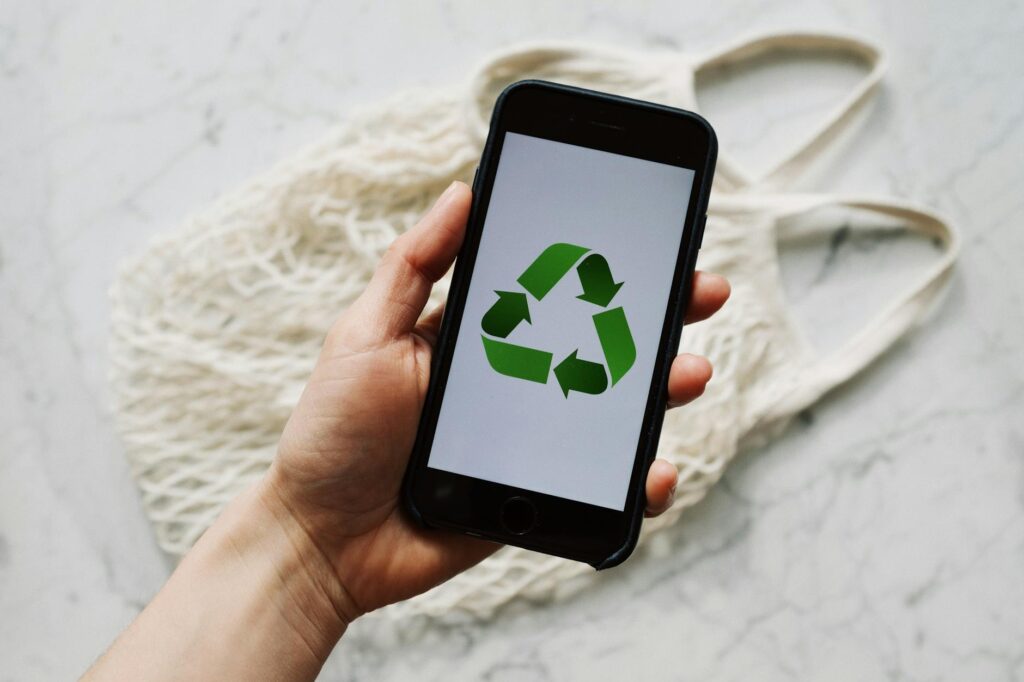
The triangle of chasing arrows itself is a powerful symbol of the circular economy. However, it’s important to distinguish between its different uses. A triangle with no number inside typically means the product is made from recycled materials. When combined with a number, it forms the Resin Identification Code.
Sometimes, you’ll see a Mobius loop (the chasing arrows) with a percentage inside, like Mobius Loop with 50%. This signifies that the product contains 50% post-consumer recycled content. This is a valuable indicator for purchasing products that support the recycling industry.
Common Mistakes: The Perils of ‘Wishcycling’
Perhaps the most significant issue contributing to recycling contamination is ‘wishcycling’—the act of tossing items into the recycling bin with the hope that they’ll be recycled, even if they aren’t accepted locally. This well-intentioned behavior can cause more harm than good.
Mistake 1: Assuming all plastics with a symbol are recyclable. The RIC only identifies the plastic type. A #3 PVC pipe or a #6 PS foam container might have the symbol, but your local program likely won’t take them. This leads to contamination when these items are mixed with accepted recyclables.
Solution: Always verify your local recycling guidelines. Many municipalities provide printable guides or apps. The Solid Waste Association of North America (SWANA) actively works to educate the public on proper recycling practices, highlighting that local rules are the definitive source.
Mistake 2: Not cleaning containers. Food residue, grease, and liquids can contaminate an entire batch of recyclables, rendering them unusable. A quick rinse is usually sufficient.
Solution: Rinse out food and beverage containers. Empty them thoroughly. While a deep scrub isn’t necessary, removing most residue prevents contamination and makes the material more valuable for reprocessing.
Mistake 3: Bagging recyclables. Many facilities require recyclables to be loose in the bin. Plastic bags can jam sorting machinery, causing costly shutdowns and safety hazards for workers. The Consumer Product Safety Commission (CPSC) has documented incidents related to machinery entanglement.
Solution: Place all accepted recyclables loose in your bin. Don’t bag them, even if they are plastic bags themselves (unless your local program specifically accepts them in bags, which is rare).
Mistake 4: Recycling items that are too small. Small plastic caps, straws, or small plastic pieces can fall through sorting screens and end up in landfills. They are too small for automated sorters to handle effectively.
Solution: When in doubt about size, err on the side of caution. If a plastic item is smaller than a credit card, it’s likely too small for most automated recycling systems. Collect them separately if your local program has a specific collection for them.
Practical Tips for Effective Recycling
To maximize the impact of your recycling efforts and minimize contamination, follow these practical tips:
1. Know Your Local Program: This is non-negotiable. Visit your municipal waste management website or call them directly. Understand exactly which plastic numbers, paper types, glass colors, and metals they accept. As of 2026, many programs have updated their accepted materials list due to market shifts.
2. When in Doubt, Throw it Out: This is the golden rule to combat wishcycling. If you’re unsure whether an item is recyclable in your area, it’s better to place it in the trash. This prevents potentially contaminating a large batch of otherwise recyclable materials.
3. Focus on the Big Items: Curbside programs are generally best equipped to handle larger, common items like plastic bottles and jugs (#1 and #2), cardboard, paper, and metal cans. Prioritize getting these right.
4. Specialized Recycling: For items not accepted curbside, look for specialized drop-off programs. Many supermarkets offer collection for plastic bags and film. Electronics recycling events and hazardous waste collection days are also vital for items like batteries, old electronics, and paint cans.
5. Reduce and Reuse First: The most effective way to manage waste is to create less of it. Choose products with minimal packaging, use reusable bags, water bottles, and coffee cups. This aligns with the core principles of Cut Down On Packaging: Smart Waste Management in 2026 and reduces the burden on recycling infrastructure.
Real-World Example: A Typical Household Bin Audit
Consider a family of four in a suburban area with standard curbside recycling. Their bin often contains:
- Accepted: Water bottles (#1 PET), milk jugs (#2 HDPE), clean cardboard boxes, aluminum cans, glass jars.
- Contaminants often found: Plastic grocery bags (not accepted curbside), polystyrene foam takeout containers (#6 PS), greasy pizza boxes (paper contamination), plastic utensils (#5 PP, sometimes accepted, sometimes not), small plastic toy pieces (often #7 OTHER).
By implementing the advice above—checking local guidelines and avoiding wishcycling—this family could significantly reduce their bin’s contamination rate. For instance, they’d learn to take plastic bags to a grocery store drop-off and discard foam containers and small plastic toys in the trash. This simple shift makes their contribution to recycling truly effective.
Frequently Asked Questions
What does the recycling symbol mean if there’s no number?
If a chasing arrows symbol appears without a number, it generally indicates that the item is made from recycled materials. It doesn’t automatically mean the item itself is recyclable in your local program, but rather that it contains post-consumer content.
Are all plastics with a number recyclable?
No, the number inside the chasing arrows symbol is a Resin Identification Code (RIC) that identifies the type of plastic. Its recyclability depends entirely on your local recycling facility’s capabilities and accepted materials list.
Which plastic numbers are most commonly recycled?
Plastic numbers 1 (PET/PETE) and 2 (HDPE) are the most widely accepted in curbside recycling programs across the United States and globally. Other numbers have more limited acceptance.
What should I do with plastic bags and film?
Most curbside recycling programs don’t accept plastic bags, film, or wrap. However, many grocery stores and retail locations offer specialized drop-off bins for these materials, where they can be recycled through dedicated programs.
How can I find out what my local recycling center accepts?
The best way is to visit your city or county’s official waste management or public works department website. They typically provide detailed guides on accepted materials, collection schedules, and special recycling events.
Is it okay to leave caps on plastic bottles?
As of May 2026, most recycling facilities prefer caps to be left ON plastic bottles. This is because the caps are usually made of a different plastic (often #5 PP) than the bottle (#1 PET or #2 HDPE), and leaving them on allows them to be recycled together. Loose caps can get lost in the sorting process.
Recycling Symbol Meaning: Your Actionable Takeaway
The recycling symbol’s true meaning goes beyond a simple green signal. It’s a complex system of identification, with the numbers indicating plastic type and the symbol signifying recyclability or recycled content, but always contingent on local acceptance. The most critical step you can take is to actively consult your local recycling guidelines and prioritize accuracy over assumption. For more on making sustainable choices, see.
Source: Britannica
Editorial Note: This article was researched and written by the Little Green Junk editorial team. We fact-check our content and update it regularly. For questions or corrections, contact us.