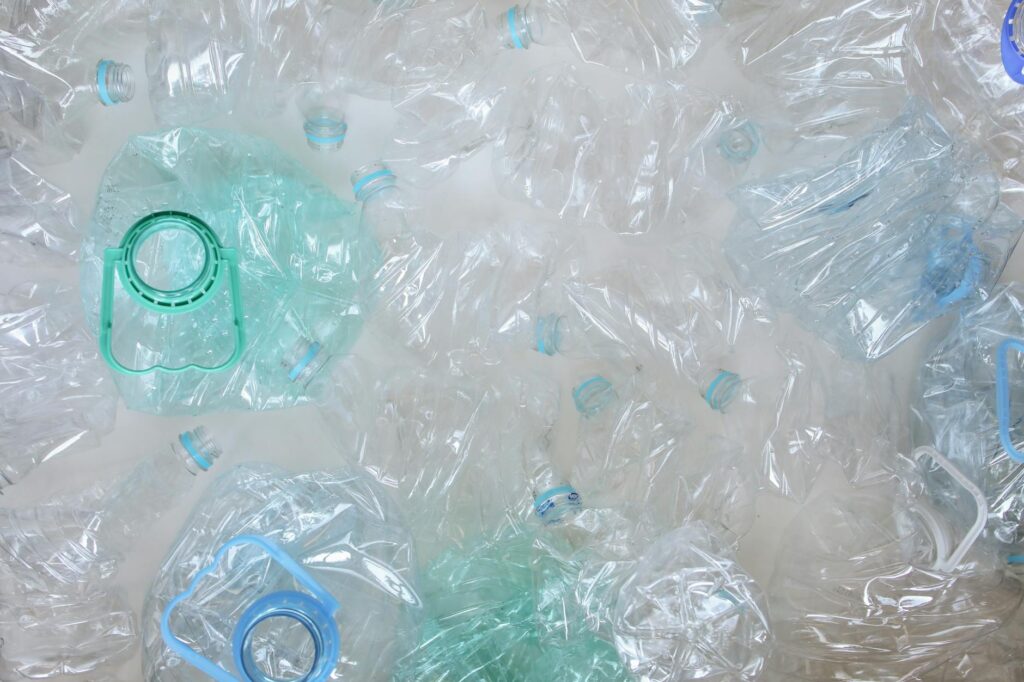
Understanding how to recycle plastic bottles is more critical than ever as we navigate 2026. These ubiquitous items, from water bottles to detergent containers, represent a significant portion of our daily waste. Yet, with a few simple practices, they can be transformed into valuable resources, reducing landfill burden and conserving energy. This guide will equip you with the knowledge to recycle plastic bottles effectively, maximizing your positive impact.
Last updated: May 1, 2026
- Most plastic bottles are made from PET (Polyethylene Terephthalate) or HDPE (High-Density Polyethylene), both highly recyclable materials.
- Cleaning and removing caps can improve recycling efficiency, though specific local rules vary.
- Recycled plastic bottles are reborn as new containers, clothing fibers, furniture, and even building materials.
- Contamination is a major issue; non-plastic items or food residue can derail entire batches of recyclables.
- Check your local municipality’s guidelines for the most accurate and up-to-date recycling instructions in your area.
Why Proper Plastic Bottle Recycling Matters in 2026
The sheer volume of plastic produced globally presents an ongoing environmental challenge. As of May 2026, plastic waste continues to be a leading concern for pollution in our oceans and landfills. Properly recycling plastic bottles diverts this material from the environment, giving it a new life. This process conserves natural resources like petroleum, reduces the energy needed to produce new plastic, and significantly lowers greenhouse gas emissions compared to manufacturing virgin plastic.
Example: Producing recycled PET plastic uses about 70% less energy than making virgin PET. This energy saving translates directly into fewer carbon emissions.
Practical Insight: Recognizing the value in what we discard motivates better recycling habits. Every bottle correctly recycled is a small victory for sustainability.
Decoding Plastic Bottle Recycling Symbols
Plastic bottles typically carry symbols indicating their resin type, which is crucial for effective recycling. The most common are #1 (PET or PETE) and #2 (HDPE). PET bottles, often used for water and soft drinks, are clear or colored and lightweight. HDPE bottles, used for milk jugs, detergent, and shampoo, are typically opaque and sturdier.
Example: A triangle symbol with a number inside (1 through 7) identifies the plastic type. Always look for the number within the chasing arrows symbol.
Practical Insight: While these symbols are helpful, always confirm with your local recycling facility. Some accept only certain numbers, and rules can change.
The Step-by-Step Guide to Recycling Plastic Bottles at Home
Recycling plastic bottles correctly at home involves a few key steps to ensure they are accepted by your local program. It’s not as complicated as it might seem, and following these simple guidelines significantly increases the chances of your bottles being processed successfully.
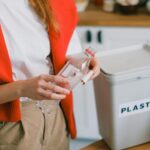
- Empty the Bottle Completely: Any residual liquid can contaminate other recyclables. Give it a quick rinse if needed, especially for containers that held sugary drinks or oily substances.
- Remove Caps and Lids (Usually): Many recycling facilities prefer caps removed because they are often made of different plastic types (like polypropylene, #5) and can be too small to be sorted effectively with the bottles. However, some newer sorting technologies can handle caps attached, and certain municipalities may request you leave them on to prevent loss. Always check local guidelines.
- don’t Crush (Generally): While it might seem efficient for space, crushing bottles can sometimes interfere with automated sorting machinery that relies on the bottle’s original shape to identify it. Again, local rules can vary on this point.
- Check for Non-Plastic Components: Remove any labels, sleeves, or pumps that are not part of the main bottle material. While some facilities can handle labels, others prefer them removed.
Practical Insight: Make recycling prep a habit during your regular kitchen cleanup routine. A quick rinse and cap removal takes seconds.
What Happens to Recycled Plastic Bottles? The Transformation Journey
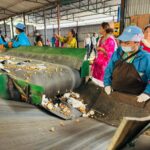
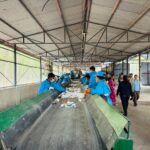
Once collected, plastic bottles start an impressive journey of transformation. They are transported to recycling facilities where they undergo sorting, cleaning, and processing. PET bottles are typically shredded into small flakes, washed thoroughly to remove contaminants, and then melted down into pellets. These pellets serve as the raw material for countless new products.
Example: Those PET flakes can be spun into polyester fibers used to create fleece jackets, carpets, and filling for pillows and sleeping bags. One million plastic bottles can be recycled into about 25,000 pounds of polyester fiber.
Practical Insight: Understanding the end-of-life for recycled materials reinforces the importance of proper sorting. Knowing your bottle can become a cozy sweater is a powerful motivator.
Navigating Local Recycling Guidelines: Your Most Important Step
Recycling programs are managed at the local level, meaning rules can differ significantly from one town or city to another. What is accepted in one municipality might be considered a contaminant in another. As of May 2026, many communities are expanding their accepted plastics, but it’s crucial to stay informed about your specific program’s requirements.
Example: Some areas accept all plastic bottles, while others might only accept #1 and #2 plastics. Some may have specific instructions about rinse levels or cap handling.
Practical Insight: Bookmark your local municipality’s waste management or recycling page. This is your definitive source for accurate information.
Common Mistakes When Recycling Plastic Bottles (And How to Avoid Them)
Several common mistakes can inadvertently lead to plastic bottles ending up in landfills, despite being placed in recycling bins. Being aware of these pitfalls can help you avoid them.
- Wishcycling: Placing items in the recycling bin hoping they might be recyclable. This contaminates the stream. Solution: If in doubt, throw it out (in the trash).
- Leaving Food Residue: Dirty containers, especially with greasy or sugary liquids, can spoil entire batches of recyclables. Solution: A quick rinse is usually sufficient.
- Recycling Plastic Bags with Bottles: Plastic bags often get tangled in sorting machinery, causing shutdowns. Solution: Take plastic bags to designated store drop-off locations, not your curbside bin.
- Including Non-Plastic Items: Coffee cups with plastic linings, certain types of plastic packaging, or small plastic items are often not recyclable with bottles. Solution: Familiarize yourself with what belongs in your bin.
Practical Insight: Think of your recycling bin like a filter. Only items that pass the specific filter of your local program should go in.
Beyond Bottles: What Other Plastics Can You Recycle?
While this guide focuses on bottles, it’s useful to know that other plastic containers often share similar recycling pathways. Many programs accept plastic tubs, jugs, and containers marked with #1, #2, and #5 plastics. Understanding the broader world of plastic recycling can help you reduce waste more comprehensively.
Example: Yogurt cups (#5 plastic) and margarine tubs (#5 plastic) are often recyclable alongside bottles if they are clean and meet local criteria.
Practical Insight: Look for the recycling symbol on all plastic packaging. If it’s a common shape like a bottle or tub and is clean, there’s a good chance it’s accepted locally.
The Cost and Value of Recycling Plastic Bottles
Recycling plastic bottles isn’t just an environmental act; it has economic implications. Market demand influencs the value of recycled plastic, processing costs, and the quality of the recycled material. As of 2026, the market for recycled plastics, particularly PET, remains strong due to demand from manufacturers seeking sustainable materials. Some municipalities even offer incentives or operate bottle deposit schemes, where you can receive a small refund per bottle returned.
Example: In states with bottle bills, like Michigan or Oregon, consumers pay a small deposit (e.g., 10 cents) at purchase, which is refunded upon returning the empty bottle to a redemption center. This system has dramatically increased recycling rates for beverage containers in those regions.
Practical Insight: Participating in bottle deposit programs can offset the cost of beverages and directly incentivize recycling. It’s a tangible way to see the economic value of your recycled items.
Expert Insights: Maximizing Your Recycling Effectiveness
To truly excel at recycling plastic bottles, consider these expert-level tips:
- Understand ‘Contamination’: This is the arch-nemesis of effective recycling. It refers to any non-recyclable item or residue that gets into the recycling stream, potentially ruining a whole batch. Even a small amount of oil or food can contaminate plastic. According to the U.S. Environmental Protection Agency (EPA) (as of their latest accessible data), contamination rates can significantly impact the economic viability of recycling programs.
- Focus on Quality: Clean, dry, and properly sorted recyclables are more valuable. High-quality recycled plastic commands better prices and is more likely to be used in high-value products.
- Advocate Locally: If your community’s recycling program is limited or unclear, engage with local officials. Increased public demand can lead to expanded services and better infrastructure.
Unique Insight: While the focus is often on what to recycle, how you recycle matters just as much. A clean bottle with its cap removed (if required locally) is a higher-quality commodity than a dirty, cap-on bottle.
Frequently Asked Questions
Can I recycle plastic bottles with caps on?
It depends entirely on your local recycling program’s guidelines. Many facilities prefer caps removed as they are often made of different plastic types and can be lost in sorting. However, some advanced sorting systems can now handle caps attached. Always check your local municipality’s specific instructions.
Do I need to rinse plastic bottles before recycling?
Yes, it’s generally recommended to rinse plastic bottles. Any remaining liquid, especially sugary or oily substances, can contaminate other recyclable materials and attract pests. A quick rinse is usually sufficient; they don’t need to be spotless, just free of significant residue.
What types of plastic bottles are not recyclable?
While most beverage and cleaning product bottles are recyclable, some items like Styrofoam containers (#6 plastic), certain flexible packaging, and plastic films are often not accepted in curbside recycling. Additionally, items like prescription bottles might have specific disposal requirements due to residual medication.
How do I know if a plastic bottle is recyclable?
Look for the recycling symbol, typically a triangle with a number inside. Numbers 1 (PET) and 2 (HDPE) are the most commonly accepted plastics for bottles. However, the symbol indicates the type of plastic, not necessarily its recyclability in your specific area. Always confirm with your local recycling authority.
What are the biggest challenges in plastic bottle recycling?
The primary challenges include contamination (non-recyclable items mixed in), low market demand for certain types of recycled plastic, and the complex sorting process required for different plastic types. Public confusion about local rules also contributes significantly to recycling inefficiencies.
Can recycled plastic bottles be used for food packaging again?
Yes, under strict regulations. For example, food-grade PET flakes can be processed to create new food and beverage containers. The U.S. Food and Drug Administration (FDA) has approved certain recycled PET (rPET) for food contact applications after rigorous purification processes.
Conclusion
Mastering how to recycle plastic bottles is a fundamental step towards a more sustainable lifestyle in 2026. By understanding the types of plastics, preparing them correctly according to local guidelines, and being mindful of common mistakes, you ensure your recycling efforts contribute effectively to resource conservation and pollution reduction. Take a moment today to verify your local recycling rules and make a commitment to process your plastic bottles with care.
Editorial Note: This article was researched and written by the Little Green Junk editorial team. We fact-check our content and update it regularly. For questions or corrections, contact us.