
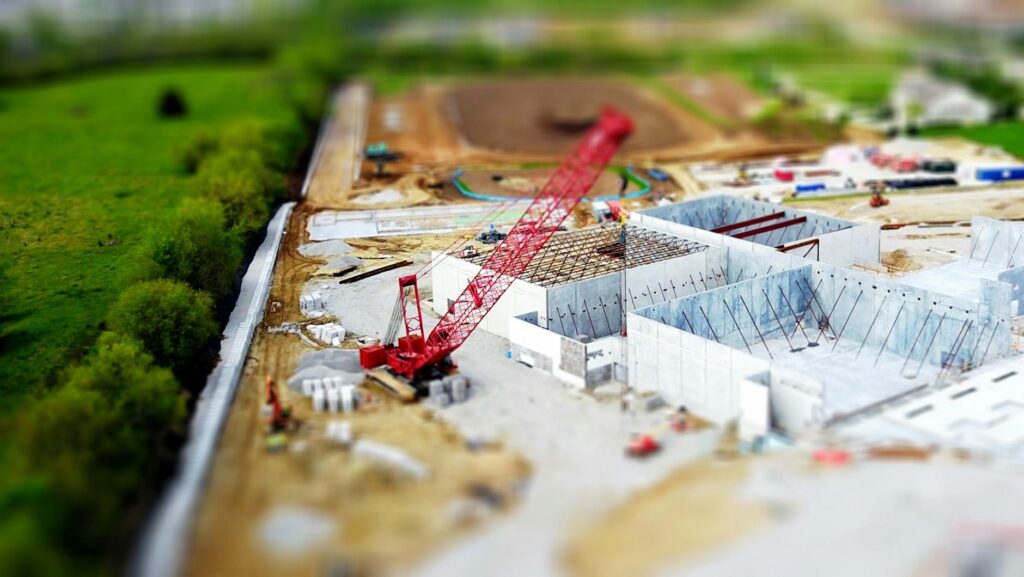
what’s Construction Debris Removal?
Construction debris removal involves the systematic collection, transport, and disposal or recycling of waste generated from building, renovation, demolition, and remodeling projects. It’s more than just clearing a site. it’s a critical component of responsible project management, impacting efficiency, safety, and environmental stewardship. In the UK, regulations like the Environmental Protection Act 1990 place significant emphasis on proper waste handling.
Last updated: April 25, 2026
A well-executed construction debris removal strategy ensures that projects stay on schedule and within budget, while also minimizing environmental impact. This process can range from sorting out small amounts of leftover materials from a home improvement job to managing vast quantities of rubble from a large-scale demolition. Choosing the right approach depends on the type and volume of waste, as well as local disposal and recycling facilities.
Why is Proper Construction Debris Removal Essential?
Effective waste management on construction sites offers several key benefits. It prevents safety hazards, such as tripping risks from scattered materials or injuries from sharp objects. According to the Health and Safety Executive (HSE) (2023), slips, trips, and falls are among the most common causes of workplace accidents in the construction industry, often exacerbated by untidy sites.
Beyond safety, proper removal simplifys operations. A clean site allows workers to move freely and efficiently, reducing project delays. It also ensures compliance with environmental regulations, avoiding potential fines. Also, a commitment to recycling and responsible disposal enhances a company’s reputation and contributes to a greener planet.
Common Types of Construction Debris
Construction sites generate a diverse range of waste materials. Understanding these categories is the first step in planning effective removal:
- Inert Waste: This includes materials like concrete, bricks, soil, and rubble that don’t decompose or react chemically. Here are often the easiest to recycle.
- Non-Hazardous Waste: This covers general waste such as wood, plastic, metal, cardboard, and packaging. Many of these items can be sorted for recycling.
- Hazardous Waste: This category includes materials that pose a risk to health or the environment, such as asbestos, lead paint, solvents, chemicals, and treated wood. Special handling and disposal procedures are mandatory for these items. For instance, asbestos removal must be conducted by licensed professionals, adhering to strict guidelines from bodies like the UK’s Health and Safety Executive.
Identifying hazardous materials early is really important. Their improper disposal can lead to significant environmental contamination and severe legal penalties. For example, the Environment Agency in England provides detailed guidance on classifying and managing hazardous waste.
Developing a Construction Waste Management Plan
A strong waste management plan isn’t just good practice. it’s often a legal requirement. Planning ahead reduces costs and environmental impact. Here’s how to create one:
Begin by assessing the anticipated waste streams for your project. Consider the scale of the work, the materials being used, and the potential for waste generation. This assessment should also identify any hazardous materials that might be encountered.
Next, set clear objectives for waste reduction and recycling. Aim to divert as much waste from landfill as possible. According to WRAP (Waste &. Resources Action Programme) (2022), the construction sector in the UK can increase material reuse and recycling rates through better planning.
Detail the methods for segregating waste on-site. Provide designated bins or areas for different material types (e.g., wood, metal, concrete, general waste). This segregation is key to maximizing recycling potential. Consider using colour-coded bins to make identification easier for site workers.
Finally, identify reliable waste removal and recycling services. Research local companies that specialize in construction debris removal and have strong environmental credentials. Verify their licenses and check if they offer reporting on waste diversion rates.
Methods for Construction Debris Removal
Several methods exist for removing construction debris, each suited to different project scales and needs:
Skip Hire
Skip hire is a common solution for medium to large projects. Skips come in various sizes, from small 2-yard skips suitable for minor renovations to large 12-yard or even larger roll-on/roll-off containers for major demolition work. Hiring a skip involves placing it on-site, filling it with debris, and then having the service provider collect and dispose of the contents.
When ordering a skip, be specific about the type of waste you’ll be filling it with. Some skip hire companies have restrictions on what can be placed inside, especially for hazardous materials. It’s also important to ensure you have adequate space for the skip and that it doesn’t obstruct public pathways without proper permits.
Man and Van Services
For smaller projects or when dealing with specific types of waste, a ‘man and van’ service can be more efficient and cost-effective than hiring a large skip. These services typically operate on a volume-based pricing model, charging for the amount of space your debris occupies in their vehicle. Here’s ideal for clearing out old kitchens, bathrooms, or smaller amounts of rubble.
Little Green Junk, for example, offers such services, focusing on responsible disposal and recycling. They often provide upfront pricing based on the volume of junk, making it a transparent option. These services are especially useful for removing mixed waste that might otherwise require multiple skip types.
On-Site Sorting and Segregation
The most environmentally friendly approach involves sorting debris on-site. This allows for maximum recycling and reuse of materials. By separating items like timber, metals, bricks, and plastics into different containers, you facilitate easier processing at recycling facilities. Some advanced construction sites even implement systems for crushing concrete and brick on-site for reuse as aggregate.
This method requires more space and labour but yields the best results in terms of waste diversion. It aligns with the principles of a circular economy — where materials are kept in use for as long as possible. Companies committed to sustainability, like those certified by ISO 14001, often prioritize on-site segregation.
Recycling Construction Materials: A Greener Approach
Recycling construction waste is Key for reducing landfill burden and conserving natural resources. Many materials can be given a new life:
- Concrete and Bricks: Crushed and processed, these can be used as aggregate for new road construction, drainage systems, or even as backfill.
- Wood: Timber can be chipped for biomass fuel, used in landscaping, or reprocessed into new wood products.
- Metals: Steel, copper, and aluminium are highly recyclable and valuable commodities. Scrap metal merchants often pay for collected materials.
- Plastics and Glass: These can be recycled into new building materials, insulation, or other products.
According to a report by the European Environment Agency (2021), construction and demolition waste constitutes a significant portion of the total waste generated in Europe, highlighting the urgent need for improved recycling and recovery rates. Innovative companies are developing new uses for construction byproducts, such as using crushed glass in asphalt mixtures.
Choosing waste removal services that prioritize recycling is vital. Look for companies that can provide documentation on the percentage of waste they divert from landfill. Little Green Junk, for instance, aims to recycle or reuse up to 90% of the waste they collect.
Legal and Regulatory Considerations in the UK
legal world of waste disposal in the UK is essential for any construction project. The Environmental Protection Act 1990 forms the backbone of waste management legislation, imposing a duty of care on everyone involved in producing, handling, or disposing of waste. This means you must take all reasonable steps to ensure waste is managed correctly.
Key regulations include:
- The Waste Electrical and Electronic Equipment (WEEE) Regulations: For any electronic waste generated.
- The Hazardous Waste (England and Wales) Regulations 2005: Governing the handling and disposal of hazardous materials like asbestos and chemicals.
- Landfill Tax: A tax applied to waste disposed of in landfills, incentivizing recycling and waste reduction.
Failure to comply can result in substantial fines and reputational damage. It’s always advisable to consult official guidance from the Environment Agency or your local authority for the most up-to-date information.
Choosing the Right Construction Debris Removal Service
Selecting the right partner for construction debris removal is key to a successful project. Consider these factors:
- Reputation and Reliability: Look for companies with positive reviews and a proven track record.
- Environmental Policies: Choose services that demonstrate a strong commitment to recycling and sustainable disposal methods. Ask about their diversion rates.
- Licensing and Insurance: Ensure the company is fully licensed and insured to handle all types of waste, including hazardous materials.
- Pricing: Obtain clear, itemized quotes. Beware of unusually low prices — which might indicate non-compliance or hidden fees.
- Service Area: Confirm they operate in your specific location.
For example, when comparing services, you might find that while a standard skip hire is straightforward, a company like Little Green Junk offers a more complete service that includes sorting and maximizing recycling, potentially saving you time and ensuring better environmental outcomes.
Frequently Asked Questions
what’s the most common type of construction waste?
The most common types of construction waste are inert materials such as concrete, bricks, rubble, and soil. These often make up the largest volume of debris generated on building and renovation sites.
How can I reduce construction waste?
Reducing construction waste involves careful planning, precise material ordering to avoid over-purchasing, on-site sorting for reuse and recycling, and choosing durable materials that minimize the need for replacements.
Is it cheaper to hire a skip or a man and van service?
Generally, for small amounts of waste or mixed bulky items, a man and van service is often more cost-effective. For large volumes of a single type of waste (like rubble), a skip can be more economical.
What happens to construction debris after it’s removed?
Responsible removal services sort the debris. Recyclable materials like wood, metal, plastic, concrete, and bricks are sent to processing facilities, while non-recyclable waste is disposed of in licensed landfills, and hazardous waste is treated according to strict regulations.
Do I need a permit for a skip on the road?
Yes, if you intend to place a skip on a public highway or pavement, you will typically need to obtain a permit from your local council. This ensures safety and proper placement.
Conclusion
Effective construction debris removal is a cornerstone of any successful building project. It’s not merely about clearing space. it’s about prioritizing safety, adhering to regulations, and making environmentally conscious choices. By types of waste generated, developing a complete management plan, and selecting the right removal service, you can ensure your project is completed efficiently and sustainably.
Whether you’re undertaking a small home renovation or managing a large-scale development, Little Green Junk is here to help. We offer responsible, efficient, and eco-friendly construction waste removal solutions tailored to your needs. Contact us today to get a quote and take the first step towards a cleaner, greener construction site.