
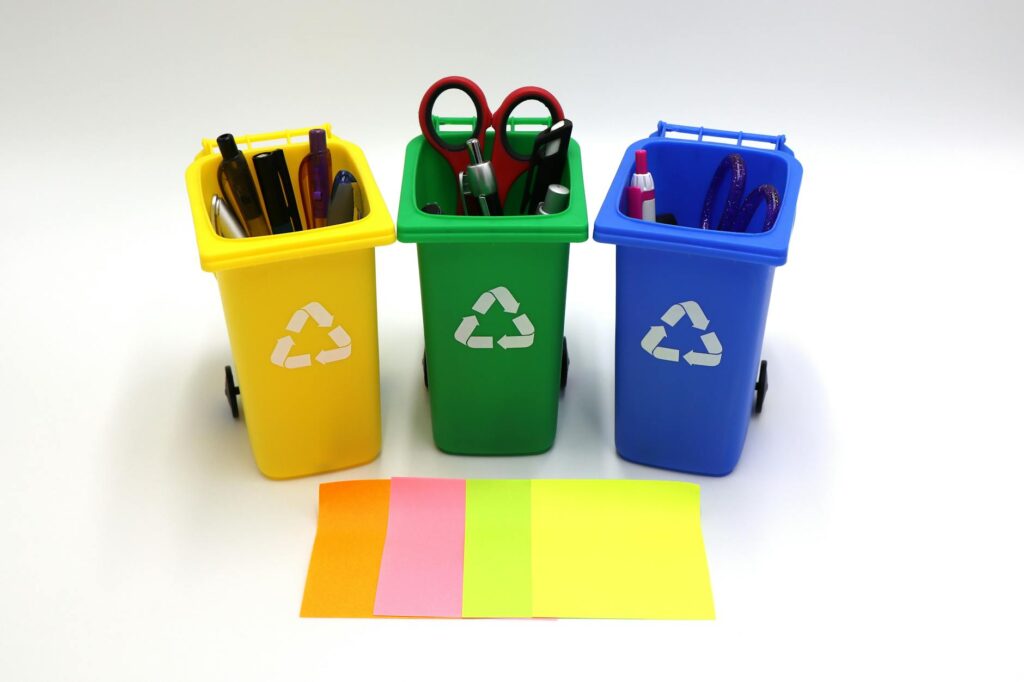
Reimagining the Workplace: A New Era for Waste Management
As businesses welcome employees back to physical offices, a unique window of opportunity has opened. The disruption of remote work has provided a chance to re-evaluate established processes, and waste management is a critical area ripe for improvement. This isn’t just about reducing landfill contributions. it’s about building a more sustainable, efficient, and responsible workplace culture. The return to the office offers fresh opportunities to manage waste by rethinking procurement, enhancing recycling infrastructure, and engaging employees in new, impactful ways.
Last updated: April 26, 2026
The shift back to in-person work necessitates a re-evaluation of operational norms. It’s an opportune moment to implement strong waste reduction strategies that were perhaps overlooked or deprioritized during the era of dispersed workforces. Little Green Junk sees this as a chance for businesses to embrace circular economy principles and enhance their environmental footprint.
The Current State of Office Waste
Before the pandemic, many offices generated substantial amounts of waste. Think discarded single-use coffee cups, overflowing general waste bins, and underused recycling streams. According to a 2021 report by the U.S. Environmental Protection Agency (EPA), the commercial and institutional sector accounted for a significant portion of municipal solid waste, much of which could be diverted from landfills.
The pandemic introduced new waste streams, such as increased use of personal protective equipment (PPE) and disposable packaging for remote work. Now, as offices reconvene, there’s a renewed focus on creating cleaner, healthier, and more sustainable environments. This renewed attention can be channeled into effective waste management solutions.
Opportunity 1: Rethinking Procurement and Supply Chains
A fundamental step in managing office waste effectively is to address it at its source. This means scrutinizing procurement practices. When ordering supplies, consider the lifecycle of products.
Practical Tips:
- Prioritize Reusables: Opt for durable, reusable items over single-use alternatives. This includes everything from coffee mugs and water bottles for employees to durable filing systems and reusable food containers in break rooms. Companies like B Corp-certified businesses often lead in this area, demonstrating a commitment to sustainability across their operations.
- Bulk Purchasing: Buying in bulk can reduce packaging waste. Ensure that bulk items are stored properly to prevent spoilage or damage — which would otherwise lead to more waste.
- Sustainable Sourcing: Choose suppliers who use minimal, recyclable, or compostable packaging. Ask potential vendors about their packaging policies and their commitment to environmental responsibility.
- Digital First: Reduce paper consumption by adopting digital workflows for documentation, communication, and invoicing. Implement double-sided printing as a default for essential hard copies.
Opportunity 2: Enhancing Recycling and Composting Infrastructure
A well-designed recycling program is Key. Simply placing a few bins around the office isn’t enough. clear signage, strategic placement, and employee education are key to success. The return to the office provides a perfect backdrop to introduce or revamp these systems.
Key Strategies:
- Clear Labeling: Use standardized, easily understandable labels on all bins. Colors and symbols can help, but consistent text is really important. Consider visual aids showing what can and can’t be recycled in your specific municipality.
- Strategic Bin Placement: Place recycling and composting bins in high-traffic areas like kitchens, break rooms, and near printers. Have a general waste bin as well, but make recycling the easiest option.
- Specialized Streams: Beyond paper, plastic, and glass, consider streams for electronic waste (e-waste), batteries, and ink cartridges. Many specialized recyclers, like Little Green Junk, offer services for hard-to-recycle items.
- Composting Programs: For offices with kitchens or cafeterias, implementing a composting program for food scraps and compostable packaging can divert a significant amount of waste. Partnering with local composting services can make this straightforward.
Opportunity 3: Engaging Employees and building a Green Culture
The most effective waste management programs involve the entire workforce. The return to the office offers a chance to build or reinforce a culture of sustainability through active employee participation.
Engagement Tactics:
- Green Teams: Establish or empower a ‘Green Team’ comprised of enthusiastic employees from various departments. This team can champion initiatives, organize educational sessions, and provide feedback.
- Training and Education: Conduct regular workshops or provide accessible online resources explaining the office’s waste management policies, the ‘why’ behind them, and how employees can contribute effectively. According to a survey by Pew Research Center (2023), a majority of Americans are concerned about environmental issues, indicating a receptive audience for such initiatives.
- Incentives and Recognition: Introduce friendly competitions between departments for waste reduction or recognize individuals and teams who demonstrate outstanding commitment to sustainability.
- Feedback Mechanisms: Create channels for employees to suggest improvements or report issues with waste management systems.
Addressing Electronic Waste (E-Waste)
The return to the office often involves upgrading equipment or decommissioning old devices. Electronic waste is a growing concern due to its hazardous components and the valuable materials it contains. Proper disposal is Key.
E-Waste Management Steps:
- Inventory and Audit: Before a major clear-out, conduct an inventory of old electronics. Identify what can be refurbished, donated, or recycled.
- Certified Recyclers: Partner with certified e-waste recyclers. Organizations like R2 Certified or e-Stewards ensure responsible handling and data destruction. Little Green Junk provides specialized electrical appliance disposal services, ensuring compliance and environmental safety.
- Data Security: Ensure all data-bearing devices are wiped securely before disposal or recycling. Many e-waste recyclers offer certified data destruction services.
The Role of Waste Management Services
While internal efforts are vital, professional waste management services can enhance an office’s sustainability goals. Companies like Little Green Junk offer tailored solutions that go beyond basic trash collection.
How Professionals Help:
- Waste Audits: Experts can conduct detailed waste audits to identify specific areas for improvement and quantify waste streams.
- Customized Solutions: Services can be tailored to an office’s unique needs, including specialized recycling, composting pickups, and responsible disposal of bulky items or hazardous waste.
- Compliance and Reporting: Professional services ensure compliance with local, state, and federal regulations regarding waste disposal and provide data for sustainability reporting.
- Efficiency and Cost Savings: Optimized waste management can lead to reduced disposal fees and increased revenue from recycled materials.
Case Study Snapshot: A Fictional Tech Firm’s Success
Innovate Solutions, a mid-sized tech company, decided to overhaul its waste management upon returning to its downtown office. Previously, their recycling rates were below 30%. They partnered with a local waste management provider and launched an intensive employee education campaign. Within six months, they achieved a 70% diversion rate. Key actions included installing new, clearly labeled bins, introducing a composting program for their cafeteria, and a mandatory e-waste collection drive that responsibly disposed of over 500 pounds of old electronics.
Frequently Asked Questions
what’s the biggest challenge in office waste management?
The biggest challenge is often employee behavior and lack of consistent engagement. Without proper education and motivation, even the best-designed recycling systems can underperform. Overcoming inertia and making sustainable choices the default requires continuous effort and clear communication.
How can we encourage employees to recycle correctly?
Encourage correct recycling through clear, consistent signage on bins, regular educational reminders, and making recycling the most convenient option. Gamification, like inter-departmental challenges, can also boost participation and ensure accuracy.
What are some innovative waste reduction ideas for offices?
Innovative ideas include implementing reusable systems for office supplies, setting up a ‘repair cafe’ for broken equipment, adopting digital waste tracking for better insights, and partnering with local organizations for material reuse or upcycling projects.
Is composting feasible for all offices?
Composting is feasible for most offices, but it requires infrastructure and a reliable collection service. Offices without kitchens can still compost items like paper towels from restrooms if services are available. Partnering with a waste management company like Little Green Junk can determine the best local solutions.
How does returning to the office impact waste management strategies?
Returning to the office presents a unique chance to reset habits, implement new technologies, and unify employees around sustainability goals. It allows for the physical rearrangement of waste stations, clearer communication channels, and the re-establishment of green teams, all contributing to more effective waste management.
Conclusion: Embracing the Opportunity for a Greener Future
The return to the office is more than a logistical shift. it’s a strategic moment to embed sustainable practices deeply within your organization’s culture. By focusing on procurement, enhancing recycling and composting, and actively engaging employees, businesses can transform their waste management approach. Utilizing professional services like those offered by Little Green Junk can provide the expertise and support needed to achieve significant, lasting environmental improvements. Don’t let this opportunity pass—make your office a leader in responsible waste management.