The Holiday Deluge: More Than Just Merriment
The holiday season, often heralded by twinkling lights and festive cheer, also brings an undeniable surge in consumption and, So, waste. In the United States alone, the Environmental Protection Agency (EPA) estimates that household solid waste increases by approximately 81% during the holidays, largely due to increased packaging, food scraps, and discarded gift wrap. This surge can quickly overwhelm homes, turning once-tidy spaces into chaotic zones. Understanding how to manage this influx is key to enjoying the season without the lingering burden of clutter and excess waste. Holiday cleaning keeping on top of clutter and waste is a proactive approach that ensures peace and order amidst the festivities.
Last updated: April 23, 2026
Why Holiday Waste Management Matters
The sheer volume of waste generated during the holidays is staggering. According to a study by the United Nations Environment Programme (UNEP) (2019), global consumption patterns contribute to environmental degradation. During the holiday period, this impact is amplified. Beyond the environmental concerns, excessive clutter can lead to stress and a feeling of being overwhelmed. Efficient waste management and decluttering aren’t just about environmental responsibility. they’re about maintaining a calm and enjoyable living space. A clean home builds a clear mind — which is especially important when social and emotional demands of the holidays.
The Direct Answer: How to Tackle Holiday Clutter and Waste
To effectively manage holiday clutter and waste, implement a multi-pronged strategy. Start by decluttering before the season’s peak, donate unwanted items, and set up designated sorting stations for recyclables and trash. Plan purchases mindfully, choose gifts with minimal packaging, and opt for reusable decorations. Finally, establish a post-holiday cleanup routine to deal with the aftermath promptly.
Pre-Holiday Purge: Making Space for the Season
Before the influx of new items begins, conduct a thorough decluttering of your home. Focus on areas that tend to accumulate items, such as closets, drawers, and surfaces. Consider the Kaprekar process for organization: identify items you no longer need or use, and then categorize them into three distinct piles: donate, sell, or discard. According to the National Association of Professional Organizers (NAPO), people often underestimate the amount of clutter they possess. A good rule of thumb is the ‘one-year rule’: if you haven’t used an item in a year, it’s likely time to let it go. This pre-emptive strike creates breathing room and makes the eventual holiday cleaning much more manageable.
Donation Strategies
Donating usable items is a fantastic way to reduce waste and help others. Organizations like Goodwill Industries accept a lots of items, from clothing and household goods to electronics. Some charities even offer pickup services for larger items, simplifying the process. Remember to check donation guidelines beforehand, as not all items are accepted. For instance, many charities can’t accept mattresses or large appliances due to logistical or safety concerns.
Mindful Gifting and Shopping
The gift-giving aspect of the holidays is a significant contributor to both clutter and waste. Consider shifting towards experiences over material goods. A concert ticket, a cooking class, or a weekend getaway can create lasting memories without adding to a person’s physical possessions. If material gifts are preferred, encourage ‘wish lists’ to prevent unwanted items and focus on quality over quantity. Brands like Patagonia have long advocated for conscious consumerism, urging customers to buy less and choose well. When purchasing, look for items with minimal, recyclable packaging. Avoid single-use plastic items and opt for durable, long-lasting products.
The Gift of Less Packaging
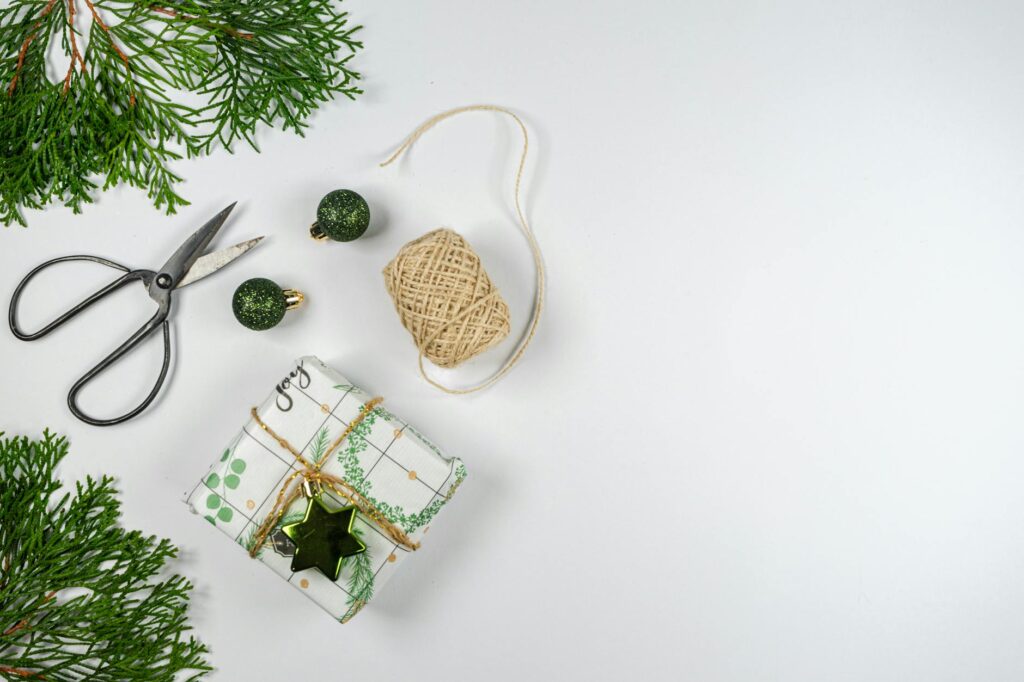
When you’re the one giving gifts, think about the packaging. Opt for reusable gift bags, fabric wraps (like Furoshiki), or simply use recycled paper. Many people appreciate the effort to be eco-friendly. Even a simple note explaining your choice can be a conversation starter about waste reduction.
Taming the Gift Wrap Avalanche
Gift wrap, ribbons, and bows are notorious waste culprits. Traditional wrapping paper is often coated with foil, glitter, or plastic, making it non-recyclable. According to the EPA (2023), a significant portion of holiday waste consists of paper and cardboard. To combat this:
- Choose Recyclable Wrappings: Look for paper explicitly marked as recyclable. Plain brown kraft paper is a great, eco-friendly option.
- Reuse What You Can: Save intact gift bags, ribbons, and bows from previous years.
- Get Creative: Use newspaper, old maps, or children’s artwork as unique gift wrap.
- Proper Disposal: If wrapping paper isn’t recyclable, dispose of it in your regular trash. don’t put glittery or metallic paper in recycling bins, as it contaminates the recycling stream.
Managing Holiday Party Waste
Holiday parties, while joyful, can generate a considerable amount of waste, from disposable plates and cups to food scraps. Here are some strategies to minimize impact:
- Reusable Serveware: Opt for real plates, cutlery, and glasses instead of disposable options. If this isn’t feasible, choose compostable or recyclable alternatives.
- Smart Food Planning: Estimate guest counts accurately to avoid over-preparing food. Serve smaller portions initially, allowing guests to request more if needed.
- Composting Station: Set up a clearly marked bin for food scraps and compostable materials. Many municipalities now offer home composting guides or municipal programs.
- Water Station: Instead of individual plastic bottles, offer a pitcher of water with reusable cups or a water dispenser.
The Post-Holiday Cleanup: Decluttering the Aftermath
Once the festivities wind down, you’re often left with a new wave of clutter: unwanted gifts, excess decorations, and perhaps even lingering food items. Here’s where your holiday cleaning strategy truly pays off. Dedicate a specific day or weekend to tackle this task.
Dealing with Unwanted Gifts
If you receive gifts you won’t use, don’t let them become clutter. You can discreetly re-gift items that are new and still in their original packaging, provided they’re appropriate for the recipient. Alternatively, consider selling them online through platforms like eBay or Facebook Marketplace. If neither of these options appeals, donate them to a local charity or shelter. Remember, the goal is to prevent items from ending up in a landfill.
Decorations and Seasonal Items
Holiday decorations, while cherished, can take up significant storage space. Before packing them away, assess their condition. Discard any broken or worn-out items. Invest in sturdy, labeled storage containers to keep things organized for next year. Consider simplifying your decorations annually, keeping only your favorite and most meaningful pieces. This practice, often called ‘minimalist decorating,’ can reduce storage needs and make the setup and takedown process much faster.
using Professional Junk Removal Services
For significant cleanouts, especially after events or during major decluttering phases, professional junk removal services like Little Green Junk can be invaluable. These services can efficiently remove unwanted furniture, electronics, large quantities of recyclables, and general clutter that might be too much for regular curbside pickup. Companies specializing in responsible disposal often prioritize donation and recycling, aligning with sustainable practices. For example, many services work with local Habitat for Humanity ReStores to donate usable items, extending their life cycle.
Frequently Asked Questions
How much extra waste does the holiday season generate?
The holiday season typically sees a significant increase in waste, with some estimates suggesting household solid waste can increase by as much as 81% during this period, largely due to increased packaging, food waste, and discarded decorations.
What are the best ways to reduce holiday gift wrap waste?
To reduce gift wrap waste, opt for recyclable wrapping paper, reuse gift bags and ribbons, or get creative with alternative wrappings like newspaper or fabric. Avoid glossy, glittery, or metallic papers, as they’re often not recyclable.
How can I manage food waste during holiday parties?
Manage food waste by planning portions carefully, estimating guest counts accurately, and setting up a composting station for scraps. Offer smaller servings initially and allow guests to ask for seconds.
What should I do with unwanted holiday gifts?
Unwanted holiday gifts can be re-gifted if new and appropriate, sold online through resale platforms, or donated to charities. The aim is to prevent them from becoming landfill waste.
When is the best time to do holiday cleaning and decluttering?
The most effective approach involves decluttering before the holiday season begins to make space, and then conducting a thorough cleanup after the festivities to deal with the aftermath of gifts and decorations.
Maintaining Order Beyond the Holidays
The principles of mindful consumption, regular decluttering, and responsible waste management aren’t just for the holiday season. Integrating these practices into your daily life can create a more sustainable and organized home year-round. Simple habits, like consistently sorting recyclables, regularly assessing your belongings, and making conscious purchasing decisions, contribute to long-term order and environmental well-being. For ongoing support with larger decluttering projects or waste removal needs, remember that Little Green Junk is here to help clear the way for a cleaner, more sustainable future.