
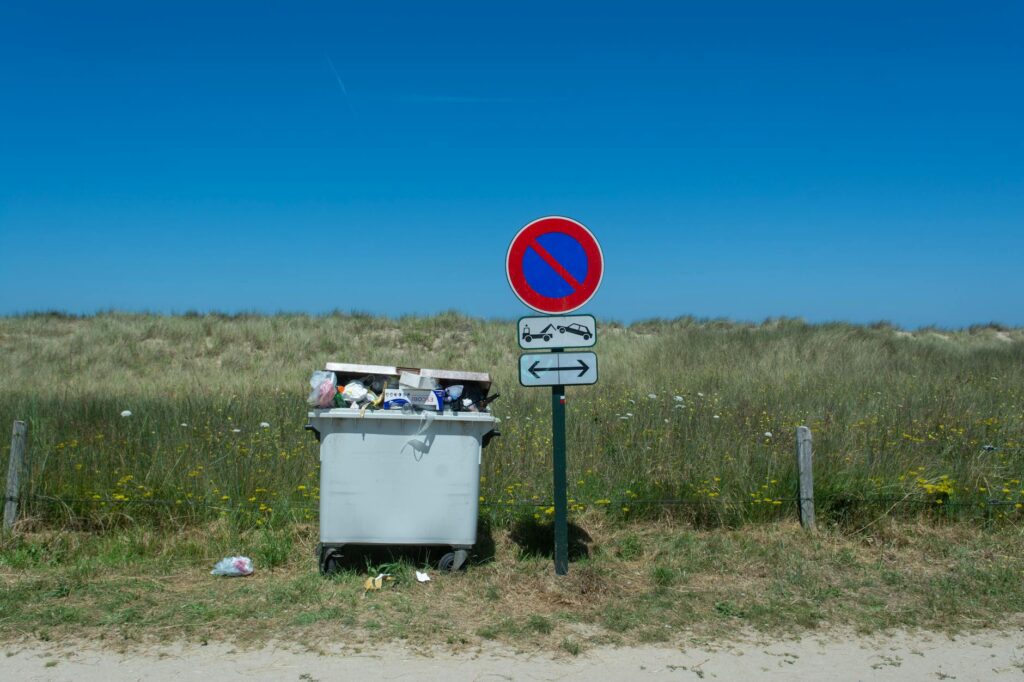
Heatwaves Strain Waste Management Systems
When temperatures climb, the usual routine of garbage collection and waste disposal faces significant challenges. Hot weather compromises waste management by accelerating decomposition, creating foul odors, and building environments where pests and bacteria thrive. This isn’t just an inconvenience. it’s a public health concern, especially in urban areas or densely populated neighborhoods. Little Green Junk understands these summer sanitation struggles and offers insights into how you can better manage your waste during extreme heat.
Last updated: April 23, 2026
Why Does Hot Weather Worsen Waste Problems?
The primary culprit is heat. Elevated temperatures speed up the natural decomposition process of organic waste. Bacteria and microorganisms work faster, breaking down food scraps and other organic materials at an accelerated rate. This rapid breakdown releases gases like methane and hydrogen sulfide — which are responsible for the pungent odors associated with neglected trash. According to the Environmental Protection Agency (EPA) (2023), organic waste decomposition can produce odors that are noticeable even at low concentrations.
Also, hot weather can lead to delays in waste collection services. Trucks may operate on reduced schedules or face breakdowns due to engine strain in the heat. This means bins sit out longer, exacerbating the smell and hygiene issues. In some cases, municipal services might even pause collections during extreme heat events to protect sanitation workers, as advised by organizations like the CDC (2022), citing the health risks to personnel.
The Science of Summer Stink: Decomposition Rates
The rate of decomposition is directly influenced by temperature. A general rule of thumb in composting — which mirrors general waste decomposition, is that optimal temperatures for microbial activity range from 130°F to 160°F (54°C to 71°C). While your trash bin isn’t a compost pile, the same principle applies: heat accelerates the biological and chemical processes. Food waste, in particular, becomes a breeding ground for bacteria like Salmonella and E. coli when left in warm conditions for extended periods. This makes it Key to manage even non-organic waste carefully, as residues and spills can contribute to the problem.
Pest and Pathogen Proliferation
Foul odors aren’t the only consequence. Warmer temperatures are ideal breeding conditions for insects and rodents. Flies, maggots, ants, and rats are all attracted to the scent of decaying matter. A garbage bin left unemptied for too long in hot weather can quickly become infested, turning a simple waste disposal issue into a pest control nightmare. These pests can then spread harmful bacteria and diseases, posing a direct risk to human and pet health. The World Health Organization (WHO) (2021) frequently highlights the role of environmental conditions, including heat, in vector-borne disease transmission.
Practical Strategies for Hot Weather Waste Management
When faced with rising temperatures, proactive measures are key. Here’s what you can do to mitigate the impact of hot weather on your waste management:
1. Secure Your Bins Tightly
Ensure all trash cans and recycling bins have tight-fitting lids. Here’s the first line of defense against odors escaping and pests gaining entry. If your lids are damaged or don’t seal properly, consider replacing them or using bungee cords to secure them. For especially pungent items, double-bagging them before placing them in the main bin can also help contain odors.
2. Keep Bins Cool and Shaded
If possible, store your trash bins in a cool, shaded area, such as a garage or a shaded side yard, rather than in direct sunlight. While this won’t stop decomposition, it can slow it down slightly. Avoid placing bins directly against your home’s exterior walls, as heat can radiate from the building, and odors can permeate through ventilation or open windows.
3. Frequent Collection and Disposal
The most effective strategy is to reduce the time waste sits around. If your regular collection schedule isn’t frequent enough during hot spells, consider supplementing it. Bag up extra waste and take it to a local waste disposal center or transfer station if feasible. For businesses, arranging for more frequent pickups with a waste management provider like Little Green Junk can be a worthwhile investment to maintain a clean and healthy environment.
4. Rinse or Clean Bins Regularly
Bacteria and odor-causing residue build up inside bins. During hot weather, give your bins a good wash more frequently. Use a hose, biodegradable soap, and a stiff brush. For stubborn odors, a solution of vinegar and water or a sprinkle of baking soda can help neutralize smells. Ensure bins are completely dry before putting new bags in to prevent moisture buildup — which can accelerate decomposition.
5. Manage Food Waste Carefully
Food scraps are the biggest contributors to odor and pest problems. During heatwaves, try to dispose of food waste immediately. Scrape plates directly into the trash bag. Consider composting organic waste if you have a system in place, as a well-managed compost pile can reach temperatures high enough to kill pathogens and deter pests (though extreme heat can also pose challenges for compost piles, requiring aeration and moisture management).
6. Use Odor Neutralizers
For persistent odors, consider using natural odor absorbers. Coffee grounds (used and dried) or activated charcoal can be placed at the bottom of the bin. Some commercial products are also available, but ensure they’re safe for outdoor use and environmentally friendly. Baking soda is another simple, effective odor neutralizer.
When Waste Collection is Delayed
Delays can happen, especially during extreme weather events. Here’s how to cope:
- Store Waste Securely: If collection is delayed, keep bins inside a secure garage or shed if possible, ensuring they’re still sealed tightly.
- Double Bagging: For immediate odor control, double-bag especially odorous waste before placing it in the bin.
- Pre-emptive Disposal: If you have excess waste that won’t fit securely in your bin, take it to a local drop-off point before the scheduled collection if you anticipate delays.
Professional Waste Management Solutions
For businesses and homeowners facing significant waste challenges, especially during peak seasons or extreme weather, professional services offer a reliable solution. Companies like Little Green Junk provide regular, timely waste removal, ensuring your property remains clean and hygienic. We offer various bin sizes and pick-up frequencies tailored to your needs, helping you avoid the pitfalls of hot weather compromises in waste management.
Frequently Asked Questions
what’s the main reason hot weather compromises waste management?
Hot weather accelerates the decomposition of organic waste due to increased microbial activity. This process releases strong odors and attracts pests, turning regular trash into a hygiene concern that requires careful management.
How can I stop my trash cans from smelling in the heat?
To combat trash can odors in the heat, use tight-fitting lids, store bins in shaded areas, rinse bins regularly with soap and water, double-bag odorous waste, and use natural odor absorbers like baking soda or coffee grounds.
Are there specific types of waste that are worse in the heat?
Food waste, including fruit and vegetable scraps, dairy products, and meat, is especially problematic in hot weather. These items decompose rapidly, producing intense odors and attracting insects and rodents quickly.
What should I do if my garbage collection is delayed due to heat?
If collection is delayed, keep your bins securely lidded and in a cool, shaded spot. Double-bag any extra waste and consider taking it to a local disposal center if possible. You might also arrange for an extra pickup if available.
How often should I clean my trash bins in hot weather?
In hot weather, it’s advisable to rinse or thoroughly clean your trash bins at least once every two weeks, or more frequently if they develop strong odors or signs of pest activity. A deep clean with soap and water, followed by thorough drying, is recommended.
Conclusion: Proactive Steps for a Cleaner Environment
Hot weather compromises waste management, turning bins into potential breeding grounds for bacteria and pests. By implementing these practical strategies—from securing lids and managing food waste effectively to scheduling regular cleanings and considering professional help—you can maintain a cleaner, healthier environment. Don’t let the heat overwhelm your waste disposal efforts. take proactive steps today.