
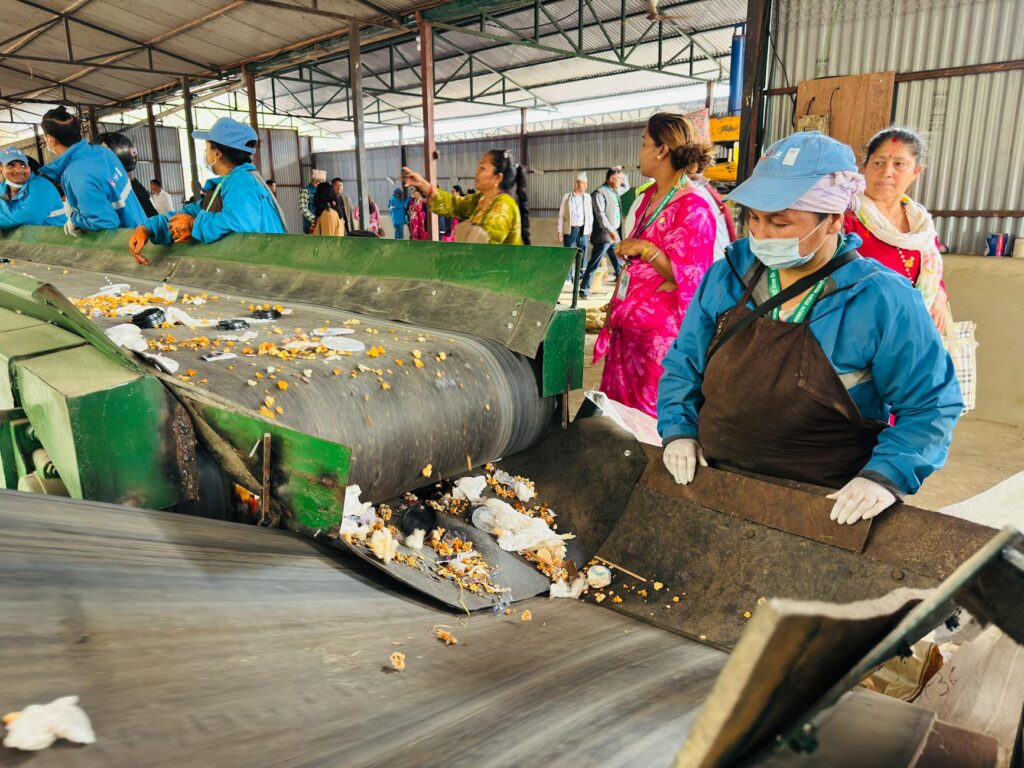
Are You Facing A Challenge With Your Waste Disposal? How To Cut Down On Waste
Many households and businesses find themselves overwhelmed by the sheer volume of waste they produce. This isn’t just an aesthetic problem; it poses significant environmental challenges and can even increase disposal costs. Confronting a challenge with your waste disposal requires a proactive approach, focusing not just on removal, but on reduction. Cutting down on waste at its source is the most effective long-term solution.
Last updated: April 24, 2026
Effectively reducing waste generation simplifies disposal processes, lowers environmental impact, and can lead to cost savings. Implementing a multi-pronged strategy that includes reducing consumption, reusing items, and improving recycling and composting habits is key.
The True Cost of Unmanaged Waste
When waste isn’t managed properly, the consequences extend far beyond overflowing bins. Landfills, the primary destination for much of our refuse, are finite resources. According to the U.S. Environmental Protection Agency (EPA) (2023), landfills are a major source of methane, a potent greenhouse gas. Also, improper disposal can lead to soil and water contamination, impacting ecosystems and human health.
Beyond environmental costs, there are often financial implications. Increased waste volume can mean higher collection fees, especially for businesses. The effort and resources required to manage and dispose of large amounts of waste—whether it’s your own household trash or a business’s refuse—also represent a hidden economic burden.
Understanding Your Waste Stream: The First Step
Before you can effectively cut down on waste, you need to understand what you’re throwing away. This means conducting a waste audit, even a simple one. For a week, keep track of the types and quantities of waste your household or business generates. Categorize items into general trash, recyclables, compostables, and hazardous waste. You might be surprised to find that a significant portion of your landfill-bound waste could have been diverted.
For instance, a typical household might discover that food scraps constitute over 20% of their landfill waste. Similarly, excessive packaging from online purchases or single-use plastics might dominate the recyclable or trash streams. This awareness is the bedrock of any successful waste reduction plan.
Strategies for Reducing Consumption
The most impactful way to cut down on waste is to consume less in the first place. This involves a shift in mindset towards mindful purchasing and prioritizing needs over wants. Before buying something new, ask yourself if you truly need it, if you already own something similar, or if you could borrow or rent it.
Consider the lifecycle of the products you buy. Opt for durable goods over disposable ones. When it comes to groceries, buying in bulk can sometimes reduce packaging waste, but only if you’ll use everything purchased. Avoid impulse buys, especially those that come with excessive plastic packaging. Planning meals can also significantly reduce food waste, a major component of household refuse.
Maximizing Reuse and Repurposing
Once you’ve reduced what you bring into your home or business, the next step is to maximize the reuse of items you already have. This is where creativity and a touch of ingenuity come into play. Think about how items can serve multiple purposes before being discarded.
- Containers: Glass jars can become storage for pantry staples, and plastic containers can be reused for leftovers or organizing small items.
- Clothing: Old t-shirts can be cut into cleaning rags. Jeans can be repurposed into shorts or bags.
- Furniture and Decor: Items that are no longer needed but still functional can be donated or sold. Upcycling projects, like turning an old ladder into a bookshelf or pallets into garden furniture, can give items a new life.
The concept of the circular economy emphasizes designing out waste and pollution, keeping products and materials in use, and regenerating natural systems. Embracing reuse aligns directly with these principles.
Mastering Recycling Best Practices
Recycling is a critical component of waste management, but it’s often done incorrectly. Contamination is a major issue. According to the EPA (2022), only about 32% of waste was recycled and composted in the United States in 2018, but a significant portion of what ends up in recycling bins is not actually recyclable, leading to higher processing costs and reduced efficiency.
Key recycling best practices include:
- Know Your Local Guidelines: Recycling rules vary significantly by municipality. Check your local waste management provider’s website for a clear list of accepted materials. Don’t assume an item is recyclable just because it has the recycling symbol.
- Rinse Containers: Food residue can contaminate entire batches of recyclables. Give containers a quick rinse.
- No Plastic Bags: Plastic bags jam sorting machinery. They should typically be returned to designated store drop-off locations.
- Empty and Flatten: Empty all liquids and food, and flatten cardboard boxes to save space.
When in doubt, throw it out (in the trash). Wish-cycling—placing non-recyclable items in the bin hoping they’ll be recycled—does more harm than good.
The Power of Composting
Food scraps and yard waste make up a substantial portion of household waste—estimates suggest it can be upwards of 30% for the average family. Composting transforms this organic material into a nutrient-rich soil amendment, effectively diverting it from landfills where it decomposes anaerobically and produces methane.
Setting up a compost system can be as simple as purchasing a bin from a retailer like Gardener.com or building your own. For those with limited space, countertop electric composters or vermicomposting (using worms) are excellent options. Even without a dedicated system, many municipalities offer curbside composting programs.
What can you compost?
- Fruit and vegetable scraps
- Coffee grounds and tea bags
- Eggshells
- Yard trimmings (leaves, grass clippings)
- Paper products (uncoated cardboard, paper towels)
Avoid composting meat, dairy, oily foods, and diseased plants, as these can attract pests or create unpleasant odors.
Navigating E-Waste and Hazardous Materials
Electronic waste (e-waste) and household hazardous waste (HHW) present unique disposal challenges. Items like old computers, batteries, fluorescent bulbs, paints, and cleaning chemicals contain materials that can be harmful if released into the environment.
Many electronics retailers, such as Best Buy, offer take-back programs for certain e-waste items. Local government waste management sites often have designated drop-off days or facilities for HHW. Never pour chemicals down the drain or dispose of batteries in your regular trash, as they can leach toxic substances.
According to the United Nations Environment Programme (UNEP) (2020), global e-waste generation reached a record 53.6 million metric tonnes in 2019. Proper recycling of e-waste recovers valuable materials and prevents environmental contamination.
When Professional Help is Needed
Sometimes, the volume or nature of waste is beyond typical household management. This is where professional services like Little Green Junk become invaluable. Whether you’re dealing with a major decluttering project, an estate cleanout, or simply have bulky items that don’t fit into regular collection, a reputable junk removal service can handle it efficiently and responsibly.
Look for services that prioritize recycling and responsible disposal. Companies that provide detailed reports on how they handle the waste, separating recyclables and donating usable items, demonstrate a commitment to sustainability. This ensures that even the waste you can’t reduce or reuse is managed in the most environmentally sound way possible.
Frequently Asked Questions
What is the most effective way to cut down on waste?
The most effective strategy is to reduce consumption by buying less and choosing durable, reusable products. Prioritizing needs over wants and avoiding impulse purchases are fundamental to minimizing waste generation at its source.
How can I reduce food waste at home?
Plan meals, store food properly to extend its shelf life, use leftovers creatively, and compost food scraps. Understanding expiration dates (best by vs. use by) also helps prevent premature disposal of edible food.
Is it better to recycle or compost?
Both are crucial, but they address different types of waste. Recycling is for materials like paper, plastic, glass, and metal, while composting is for organic waste like food scraps and yard trimmings. Diverting both from landfills significantly reduces environmental impact.
What are common mistakes people make when recycling?
Common mistakes include wish-cycling (putting non-recyclable items in the bin), not rinsing containers, and putting recyclables in plastic bags. These actions can contaminate entire loads and make recycling less efficient.
When should I consider hiring a professional junk removal service?
Hire a professional for large cleanouts, bulky item disposal, hazardous waste removal that can’t be handled locally, or when you need an efficient and responsible way to clear out significant amounts of unwanted items.
Conclusion: A Proactive Approach to Waste
Facing a challenge with your waste disposal isn’t insurmountable. By adopting a conscious approach that prioritizes reduction, reuse, and responsible recycling and composting, you can significantly cut down on the waste you generate. Understanding your waste stream is the first step, followed by implementing practical strategies at home or in the workplace. For the waste that remains, relying on professional, eco-conscious services ensures it’s handled responsibly, minimizing its impact on our planet.