
Downsizing Some Ideas To Help Make It Easier For You
The prospect of downsizing a home, whether for financial reasons, lifestyle changes, or to simplify life, often brings a mix of anticipation and apprehension. While the idea of a smaller, more manageable space is appealing, the process of shedding possessions can feel daunting. It’s not just about packing boxes. it’s about confronting memories, making difficult decisions, and redefining your relationship with your belongings. Thankfully, with a strategic approach and some practical downsizing ideas, you can transform this potentially overwhelming task into a manageable and even rewarding experience.
Last updated: April 24, 2026
Downsizing some ideas to help make it easier for you involves a systematic approach to decluttering and organizing. It requires thoughtful decision-making about what to keep, donate, sell, or discard, focusing on essential items and those that bring genuine joy or utility to your new, smaller space.
Why Do People Downsize?
motivations behind downsizing can provide context and encouragement. For many, it’s a financial decision. A smaller home typically means lower utility bills, reduced property taxes, and less maintenance. According to the U.S. Census Bureau (2020), the average cost of utilities for a single-family home can range from $150 to $400 per month, a significant saving when halved or reduced in a smaller dwelling. Beyond finances, downsizing often aligns with a desire for a simpler lifestyle. Empty nesters, for instance, may no longer need the space of a large family home and prefer a more manageable environment. It can also be driven by health reasons, making it easier to navigate and maintain. Regardless of the catalyst, the goal is often to achieve greater freedom and less responsibility.
The Emotional Side of Letting Go
One of the biggest hurdles in downsizing is the emotional attachment we form with our possessions. An item might represent a cherished memory, a past achievement, or a connection to a loved one. For example, a collection of old magazines might seem like clutter, but each one could hold a specific memory of a time or event. According to a study published in the Journal of Consumer Psychology (2019), people often overestimate the future emotional value of objects they keep, leading to accumulation. Recognizing this psychological tendency is the first step. It’s important to acknowledge that memories reside within you, not solely in the objects you own. Consider taking photos of sentimental items you can’t keep, or perhaps find a way to repurpose them, like framing a piece of fabric from a beloved old quilt.
Strategic Decluttering: The Foundation of Easy Downsizing
Effective decluttering is the cornerstone of any successful downsizing effort. It’s not about throwing everything away. it’s about making conscious choices. Start small and be consistent. A good rule of thumb is the ‘one in, one out’ policy, but when downsizing, you need to go deeper. Consider a systematic approach, room by room, or category by category. For instance, tackle all books at once, or all clothing. This prevents feeling overwhelmed by the sheer volume of items.
Here are some proven decluttering strategies:
- The Four-Box Method: Designate boxes for ‘Keep,’ ‘Donate,’ ‘Sell,’ and ‘Discard.’ This provides clear categories for decision-making.
- The ‘Joy’ Test (Marie Kondo Method): Handle each item and ask yourself if it sparks joy. While not always practical for every item (like utility bills), it’s excellent for personal belongings.
- The 90/90 Rule: If you haven’t used an item in 90 months, and don’t anticipate using it in the next 90 months, it’s likely time to let it go.
- Set Realistic Goals: Aim to declutter for just 30 minutes a day. Consistency is more important than intensity.
Sorting and Organizing Your Belongings
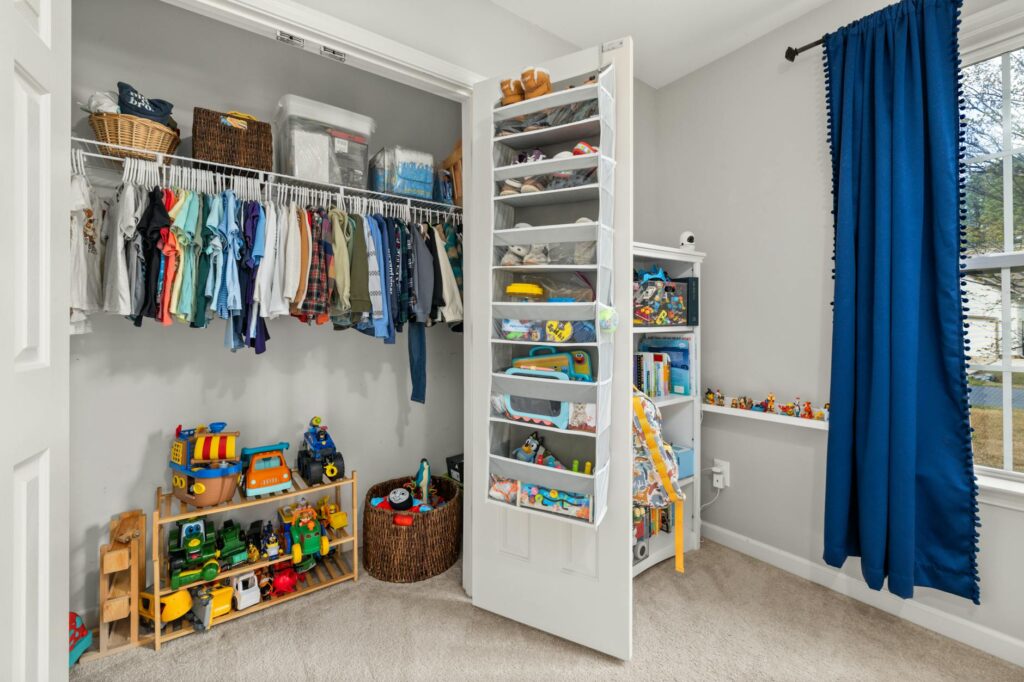
Once you’ve decluttered, the next step is to organize what remains, especially with limited space in mind. Think vertically! Shelving units, wall-mounted organizers, and over-the-door hangers can maximize space. Use storage containers that fit your new environment. For example, under-bed storage bins are excellent for small bedrooms, while stackable drawers can be useful in a compact kitchen.
Consider the functionality of your new space. Measure doorways, hallways, and room dimensions before you start packing. This prevents the frustration of bringing items that simply won’t fit. Services like Little Green Junk can help remove unwanted items efficiently, clearing the way for organized packing and transport. According to the EPA, in 2018, about 146.1 million tons of municipal solid waste were generated in the United States, with a significant portion being recyclable materials that can be diverted from landfills.
Downsizing Specific Areas of Your Home
Different areas of your home present unique challenges and opportunities for downsizing:
Kitchen
Kitchens often accumulate duplicate gadgets, rarely used appliances, and excess cookware. Be ruthless with single-purpose tools. Do you really need three different types of peelers? Consider consolidating spices into uniform containers. Donate any small appliances you haven’t used in the last year. The Food Network offers extensive advice on optimizing kitchen space.
Closets and Wardrobes
Clothing is a common area for over-accumulation. Use the ‘hanger trick’: turn all hangers backward on your closet rod. When you wear an item, turn the hanger the correct way. After six months to a year, anything still on a backward hanger can likely be donated or sold. Also, assess if your clothing fits your current lifestyle and body shape. Fast fashion items from brands like Zara or H&M might be trendy but take up valuable space if no longer worn.
Paperwork and Memorabilia
Paper clutter is notorious. Digitize important documents like birth certificates, social security cards, and financial records using a scanner or a smartphone app like Adobe Scan. Store them securely in the cloud or on an external hard drive. For sentimental papers like children’s artwork or old letters, consider creating a dedicated memory box. Keep only the most precious items.
Making the Move Easier
Once you’ve decluttered and organized, the physical move requires planning. If you’re moving to a smaller space, such as a condo or apartment, consider the furniture you’ll need. You might need to downsize from a king-size bed to a queen, or from a large sectional sofa to a loveseat. Measure everything carefully. Professional movers can be invaluable, especially for larger items and complex logistics. They can also offer advice on packing fragile items safely.
Don’t underestimate the power of labeling. Clearly label every box with its contents and destination room in the new home. This saves immense time and frustration during unpacking. Create a ‘first-night’ box with essentials like toiletries, medications, a change of clothes, phone chargers, and basic tools.
Downsizing Some Ideas To Help Make It Easier For You: A Checklist Summary
To consolidate these downsizing ideas, here’s a quick checklist:
- Define Your Why: Reiterate your reasons for downsizing to stay motivated.
- Create a Timeline: Break down the process into manageable stages.
- Declutter Ruthlessly: Use methods like the 4-box or 90/90 rule.
- Organize Smartly: Maximize vertical space and use appropriate storage.
- Digitize Paperwork: Scan important documents.
- Assess Furniture Needs: Determine what fits your new space.
- Plan the Move: Hire professionals if needed, label everything.
- Pack an Essentials Box: For your first night.
- Seek Professional Help: For item removal like Little Green Junk.
- Be Kind to Yourself: Acknowledge the emotional aspect.
Frequently Asked Questions
How much stuff should I get rid of when downsizing?
There’s no magic number, but aim to reduce your belongings by at least 30-50% to comfortably fit a smaller space. Focus on keeping items that are essential, frequently used, or hold deep sentimental value.
What’s the best way to deal with sentimental items during downsizing?
Take photos, write down memories associated with the items, or repurpose them into something new. For truly irreplaceable items, designate a specific, small memory box. It’s about preserving the memory, not necessarily the object itself.
How do I avoid buying new things after downsizing?
Be mindful of your new space limitations. Practice the ‘one in, one out’ rule strictly. Before buying anything new, ask yourself if you truly need it and where it will be stored. Focus on experiences over material possessions.
When should I start the downsizing process?
Start as early as possible, ideally several months before your planned move date. This allows ample time for sorting, decision-making, and emotional processing without the stress of a looming deadline.
What if I can’t decide whether to keep an item?
Put the item in a ‘maybe’ box and store it out of sight for a set period (e.g., three months). If you don’t retrieve it or think of it during that time, it’s a strong indication you can let it go. Alternatively, ask a trusted friend or family member for their objective opinion.
Conclusion
Downsizing your home is a significant undertaking, but it doesn’t have to be an insurmountable one. By implementing these downsizing ideas and strategies, you can approach the process with clarity and confidence. Focus on decluttering systematically, organizing smartly for your new space, and acknowledging the emotional journey involved. Remember that simplifying your physical environment can lead to a more simplifyd, less stressful, and potentially more fulfilling life. For assistance with removing unwanted items, consider professional services that can handle the disposal responsibly, allowing you to focus on the positive aspects of your new, smaller home.