
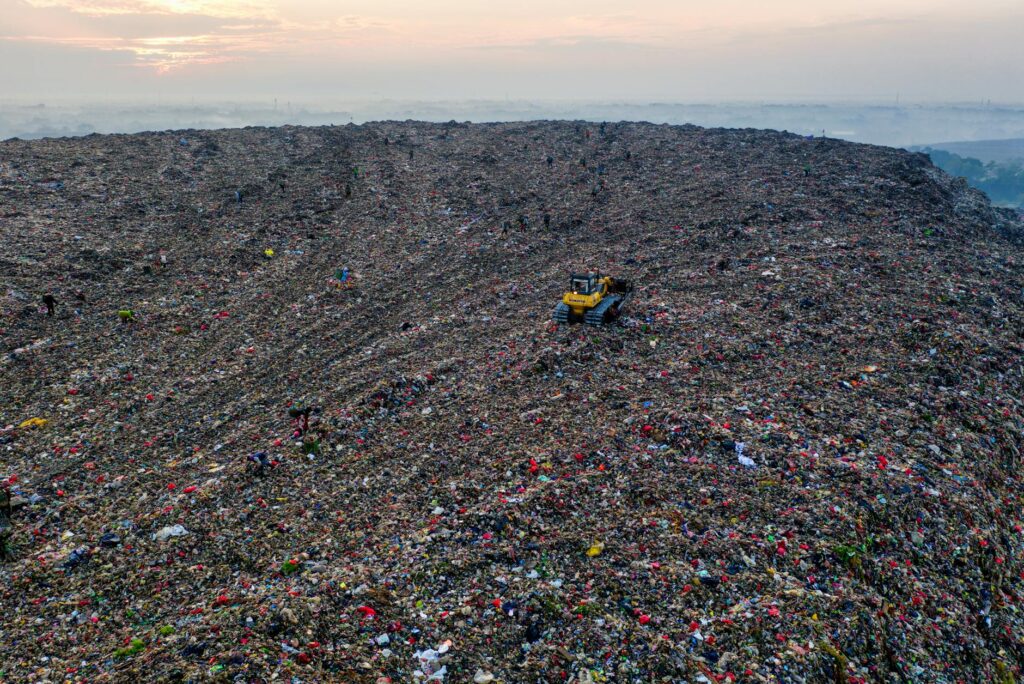
The Escalating Challenge of Electronic Waste
Our modern lives are inextricably linked to technology. From smartphones that fit in our pockets to the complex servers powering the internet, electronics have transformd how we live, work, and connect. However, this technological advancement comes with a significant environmental cost. E waste, or electronic waste, is now the fastest growing waste stream globally, posing an urgent challenge that demands our immediate attention and collective action.
Last updated: April 23, 2026
The sheer volume of discarded electronics is staggering. According to the UN’s Global E-waste Monitor 2020 report, the world generated a record 53.6 million metric tonnes of e-waste in 2019 alone. This figure is projected to grow significantly in the coming years. This rapid increase isn’t just about quantity; it’s also about the complex and often hazardous composition of these devices, containing valuable materials alongside toxic substances.
What Exactly Constitutes E-Waste?
E-waste encompasses a broad range of discarded electrical and electronic equipment (EEE). This includes everything from large household appliances like refrigerators and washing machines to smaller items such as mobile phones, computers, televisions, and even batteries and cables. Essentially, if it plugs in or runs on batteries and is no longer wanted or functional, it’s e-waste.
The rapid obsolescence of technology, driven by consumer demand for newer models and shorter product lifecycles, is a primary driver of this growth. Think about how quickly smartphones and laptops become outdated. This constant cycle of upgrade and disposal creates an ever-increasing mountain of electronic refuse.
Why Is E-Waste a Growing Problem?
The exponential growth of e-waste presents a multi-faceted crisis. Its environmental impact is profound, due to the presence of hazardous materials like lead, mercury, cadmium, and flame retardants. When these substances are improperly disposed of, often in landfills or through crude dismantling processes, they can leach into soil and water, contaminating ecosystems and posing serious health risks to nearby communities. According to the World Health Organization (WHO) (2020), exposure to heavy metals found in e-waste can lead to developmental issues in children and affect various organ systems in adults.
Beyond the toxic elements, e-waste also represents a significant loss of valuable resources. These discarded devices contain precious metals such as gold, silver, copper, and platinum, as well as other recoverable materials like aluminum and iron. Throwing these items away means discarding finite resources that could be reused, placing further strain on virgin material extraction, which is often energy-intensive and environmentally damaging.
The Global Impact: Statistics and Trends
The scale of the e-waste problem is truly global. While developed nations tend to generate more e-waste per capita, the issue of managing it’s complex. Often, e-waste from wealthier countries is exported, legally or illegally, to developing nations where disposal and recycling practices may be less regulated. This practice, documented by organizations like the UN Environment Programme, can lead to severe environmental degradation and exploitation of labor in those regions.
Estimates suggest that by 2050, global e-waste generation could reach 111 million metric tonnes annually if current trends continue. This projection highlights the urgent need for systemic change in how we produce, consume, and manage electronic devices. The economic value of the raw materials lost to e-waste is also immense; the UN reported that the value of materials in the 53.6 million tonnes of e-waste generated in 2019 was estimated at $57 billion USD.
How Can We Control E-Waste Effectively?
Controlling the escalating tide of e-waste requires a concerted effort from consumers, manufacturers, and governments. It’s not a single-solution problem but a complex challenge requiring a multi-pronged approach. The goal is to move towards a more sustainable model of electronic consumption and disposal, emphasizing reduction, reuse, and responsible recycling.
1. Reduce Consumption and Extend Lifespans
The most effective way to control e-waste is to generate less of it in the first place. This means being more mindful of our purchasing habits. Before buying a new device, ask yourself if you truly need it. Can your current device be repaired? Often, a simple fix or upgrade can extend its useful life significantly. For instance, replacing a laptop battery or upgrading RAM can make an older machine perform like new for much longer.
Consumers can also opt for products with longer warranties or those designed for durability and repairability. Supporting brands that prioritize sustainable design and offer strong repair services sends a clear message to the industry. Resources like the iFixit website provide repair guides and ratings for electronics, helping consumers make informed decisions about repairability.
2. Reuse and Repurpose
When a device is still functional but no longer meets your needs, consider giving it a second life. Selling it, donating it to schools, charities, or community centers, or repurposing it for a different use are excellent alternatives to disposal. For example, an old tablet could become a dedicated digital photo frame or a kitchen recipe display.
Many organizations specialize in refurbishing electronics for resale or donation. This not only keeps devices out of the waste stream but also makes technology accessible to those who might not be able to afford new equipment. Businesses can also implement internal programs for equipment reuse and donation, contributing to a circular economy.
3. Responsible Recycling
For devices that are truly at the end of their life, responsible recycling is paramount. This isn’t about simply dropping electronics off at any collection point. It’s crucial to ensure that the recycling facility is certified and adheres to strict environmental and safety standards. Certified recyclers, such as those accredited by R2 (Responsible Recycling) or e-Stewards, are equipped to safely dismantle electronics, recover valuable materials, and properly manage hazardous components.
When you’re looking to dispose of old electronics, services like those offered by Little Green Junk are invaluable. We ensure that your e-waste is handled responsibly, either by finding it a new home through reuse programs or by partnering with certified recycling facilities. This professional approach guarantees that your discarded devices don’t contribute to environmental harm.
4. Manufacturer and Government Initiatives
Manufacturers have a critical role to play through Extended Producer Responsibility (EPR) programs. These initiatives hold producers accountable for the end-of-life management of their products. EPR can incentivize companies to design products that are more durable, easier to repair, and made from recyclable materials. For instance, Apple has made efforts to recover more materials from its devices through advanced recycling techniques, as noted in their environmental reports.
Governments can enact policies that support responsible e-waste management, such as setting recycling targets, banning certain hazardous materials, and providing incentives for consumers and businesses to recycle properly. Public awareness campaigns are also essential in educating citizens about the importance of e-waste management and available disposal options. The European Union’s Waste Electrical and Electronic Equipment (WEEE) Directive is a prime example of comprehensive legislation aimed at tackling e-waste.
5. Consumer Awareness and Education
Ultimately, change begins with awareness. As consumers, understanding the impact of our electronic consumption habits is the first step. Educating ourselves and others about the proper ways to dispose of e-waste, the benefits of repair and reuse, and the importance of supporting sustainable brands empowers us to make better choices. Sharing information within our communities can amplify this effect.
Consider the lifecycle of your gadgets. From the initial purchase to its eventual disposal, every step has an environmental consequence. By being more informed and proactive, we can collectively reduce the burden of e-waste on our planet.
Frequently Asked Questions
What are the main dangers of e-waste?
The main dangers of e-waste stem from the hazardous materials it contains, such as lead, mercury, and cadmium, which can contaminate soil and water when improperly disposed of, leading to severe environmental damage and significant health problems for humans, including developmental issues and organ damage.
How much e-waste is generated globally each year?
Globally, e-waste generation is alarmingly high. The UN reported that in 2019 alone, a record 53.6 million metric tonnes of e-waste were generated worldwide, a figure that continues to rise annually.
Can old electronics be reused or donated?
Yes, absolutely. Functional old electronics can often be reused or donated to schools, charities, or community organizations, extending their lifespan and providing valuable technology to those in need, thereby reducing the amount of e-waste.
What is the best way to recycle electronics?
The best way to recycle electronics is to use certified e-waste recyclers accredited by standards like R2 or e-Stewards, ensuring that hazardous materials are managed safely and valuable resources are recovered responsibly, often through professional junk removal services.
Are manufacturers responsible for e-waste?
Yes, many regions are implementing Extended Producer Responsibility (EPR) policies, making manufacturers accountable for the end-of-life management of their products, encouraging them to design for sustainability and facilitate responsible recycling.
Taking Action for a Greener Future
The statistics are clear: e waste is the fastest growing waste stream globally, and its impact is undeniable. However, this doesn’t have to be an insurmountable problem. By adopting a conscious approach to our electronic consumption, prioritizing repair and reuse, and ensuring responsible disposal through certified channels, we can all contribute to mitigating this crisis.
At Little Green Junk, we’re committed to helping you manage your e-waste responsibly. Whether it’s old computers, outdated televisions, or forgotten mobile phones, we provide a professional and environmentally sound solution. Contact us today to learn more about our e-waste removal services and take a concrete step towards a more sustainable future.