The Undeniable Importance of Waste Management Today
This guide covers everything about Why it’s Crucial To Manage Your Waste. As of April 2026, the global challenge of waste management continues to grow, impacting everything from our environment to our health. Many households and businesses still grapple with effective disposal methods, leading to a cascade of negative consequences. Understanding why it’s crucial to manage your waste isn’t just an environmental concern; it’s a fundamental aspect of building healthier communities and a sustainable future. Little Green Junk sees firsthand the issues that arise from neglected waste, from overflowing bins to improper disposal of hazardous materials. This article dives into the critical reasons for diligent waste management and highlights common mistakes to avoid.
Last updated: April 29, 2026
- Effective waste management is essential in 2026 to prevent environmental degradation and protect public health.
- Common mistakes include improper sorting, inadequate recycling, and the illegal dumping of hazardous materials.
- Proper waste disposal conserves natural resources, reduces pollution, and supports a circular economy.
- Implementing smart waste practices can lead to cost savings and improved community well-being.
- Professional junk removal services like Little Green Junk offer a responsible solution for bulky or specialized waste.
Why is it crucial to manage your waste? Simply put, unchecked waste accumulation poses severe threats to ecosystems, human health, and economic stability. Landfills are reaching capacity, pollution is increasing, and valuable resources are being lost. Proactive and responsible waste management is no longer optional; it’s a necessity.
Environmental Protection: Safeguarding Our Planet
One of the most significant reasons why it’s crucial to manage your waste is its direct impact on the environment. Improper disposal pollutes our air, water, and soil. When waste isn’t sorted correctly, recyclable materials end up in landfills, taking up valuable space and contributing to methane gas emissions—a potent greenhouse gas. According to the U.S. Environmental Protection Agency (EPA) (2024 data), landfills are a major source of anthropogenic methane emissions in the United States. This contributes to climate change and its associated devastating effects.
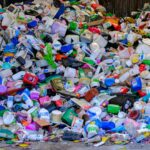
Also, plastic waste, in particular, poses a long-term threat. It breaks down into microplastics that contaminate our oceans and waterways, harming marine life and eventually entering the human food chain. The sheer volume of plastic produced globally is staggering; global plastics production has seen a consistent upward trend for decades. Managing this waste effectively means reducing its entry into natural environments.
Public Health Benefits: A Healthier Community
The link between waste and public health is undeniable. Piles of unmanaged garbage attract pests like rodents and insects, which can carry and spread diseases such as plague, leptospirosis, and salmonella. Improperly disposed of waste can also contaminate drinking water sources. Hazardous waste, including batteries, paints, and electronics, contains toxic chemicals that can leach into the ground and water, causing serious long-term health problems for communities exposed to them.
Little Green Junk frequently encounters situations where hazardous materials are mixed with general waste, posing a significant risk to sanitation workers and the environment. Proper waste segregation and disposal protocols are vital to prevent these health hazards. According to the World Health Organization (WHO), environmental pollution from waste contributes to a range of illnesses, underscoring the importance of strong waste management systems.
Resource Conservation and Economic Advantages
Managing waste effectively is also about resource conservation. Many items we discard still have value. Recycling materials like paper, glass, metal, and plastic reduces the need to extract and process raw materials, which is often energy-intensive and environmentally damaging. This conservation preserves natural resources for future generations.
Beyond conservation, proper waste management fosters economic opportunities. The recycling industry creates jobs in collection, processing, and manufacturing. Also, reducing waste can lead to cost savings for businesses and municipalities through lower disposal fees and the potential sale of recycled materials. Embracing a circular economy model, where waste is minimized and resources are kept in use, is increasingly recognized as a path to economic resilience.
Common Waste Management Mistakes and How to Avoid Them
Mistake 1: Improper Sorting and Contamination
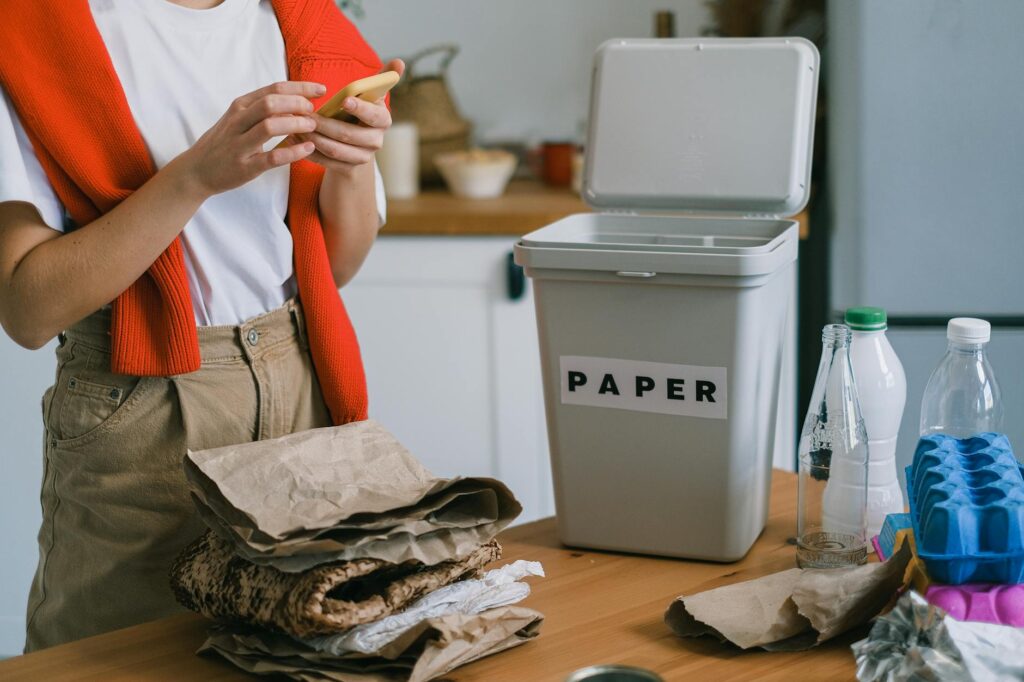
One of the most frequent errors is not sorting waste correctly. Putting non-recyclable items into recycling bins (contamination) can render entire batches of recyclables unusable, sending them to the landfill instead. For instance, greasy pizza boxes or food-soiled containers often can’t be recycled with clean paper products.
How to avoid: Educate yourself on local recycling guidelines. Most municipalities provide clear lists of what can and can’t be recycled. Rinse containers and flatten cardboard. When in doubt, it’s often better to place an item in the general waste bin than to contaminate a recycling stream.
Mistake 2: Ignoring Hazardous Waste Protocols
Disposing of hazardous materials like batteries, fluorescent bulbs, electronics (e-waste), and chemicals in regular trash bins is a serious mistake. These items contain heavy metals and toxic substances that pollute landfills, incinerators, and the environment when not handled properly.
How to avoid: Many communities have designated drop-off points or special collection days for hazardous waste. Retailers often offer take-back programs for batteries and electronics. For larger items like old appliances or electronics, specialized junk removal services can ensure responsible disposal. Little Green Junk, for example, partners with certified recyclers for e-waste and other hazardous items.
Mistake 3: Over-reliance on Landfills
While landfills are a necessary part of waste management, relying on them as the primary solution is unsustainable. As of April 2026, landfill space is becoming increasingly scarce and expensive. Also, landfills are major contributors to environmental pollution.
How to avoid: Prioritize reduction, reuse, and recycling. Reduce consumption, reuse items whenever possible (e.g., reusable bags, containers), and diligently recycle. Composting food scraps and yard waste significantly reduces the volume of waste sent to landfills and creates valuable soil amendment. Explore options for donating usable items instead of discarding them.
Mistake 4: Not Planning for Bulky Waste
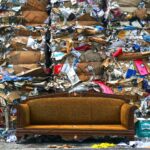
Large items like old furniture, appliances, or construction debris can be challenging to dispose of. Many people make the mistake of simply leaving these items out for regular collection, which is often insufficient, or worse, resorting to illegal dumping.
How to avoid: Plan ahead for bulky waste. Check your local municipality’s rules for bulk item pickup schedules or fees. For significant cleanouts or renovations, hiring a professional junk removal service like Little Green Junk is the most efficient and responsible option. We handle the heavy lifting and ensure proper disposal or recycling of bulky items.
Mistake 5: Lack of Awareness and Education
Many individuals and businesses simply aren’t aware of the best practices for waste management or the consequences of improper disposal. This lack of knowledge perpetuates bad habits.
How to avoid: Stay informed. Follow local waste management guidelines, read articles like this one, and engage with community initiatives. Educating family members, colleagues, and neighbors can create a ripple effect, fostering a community-wide commitment to better waste practices.
The Role of Professional Junk Removal Services
For many households and businesses, managing waste, especially large or specialized items, can be overwhelming. This is where professional junk removal services play a crucial role. Companies like Little Green Junk offer a convenient and responsible way to clear out unwanted items. We don’t just haul junk; we prioritize eco-friendly disposal methods.
Our process often involves sorting items for donation or recycling before considering landfill disposal. This approach aligns with the principles of a circular economy and significantly reduces the environmental impact. We understand the complexities of waste disposal, including specific regulations for electronics, furniture, and construction debris. By choosing a reputable service, you ensure that your waste is handled ethically and efficiently.
Frequently Asked Questions
Why is recycling important for waste management?
Recycling is crucial because it conserves natural resources by allowing materials to be reused, reduces the energy needed to manufacture new products, decreases pollution from extraction and manufacturing processes, and lessens the burden on landfills.
What are the health risks associated with poor waste management?
Poor waste management can lead to the spread of diseases through pests attracted to garbage, contamination of water sources, and exposure to toxic substances from hazardous materials, all of which can cause serious acute and chronic health issues.
How can I reduce the amount of waste I produce?
You can reduce waste by practicing the “reduce, reuse, recycle” mantra: buy less, choose products with minimal packaging, use reusable items (bags, bottles, containers), repair items instead of replacing them, and compost organic waste.
What is considered hazardous waste?
Hazardous waste includes materials that are ignitable, corrosive, reactive, or toxic. Common household examples include batteries, paints, solvents, pesticides, fluorescent light bulbs, and electronic waste.
When should I consider hiring a junk removal service?
You should consider hiring a junk removal service for large cleanouts, decluttering projects, after renovations, or when dealing with bulky items, electronics, or hazardous materials that regular waste collection services won’t handle.
Conclusion: Taking Action for a Cleaner Future
Managing your waste effectively is a responsibility we all share. The reasons why it’s crucial to manage your waste extend far beyond simple tidiness; they encompass the health of our planet and ourselves. By understanding common mistakes and adopting better practices—from diligent sorting and recycling to responsible disposal of hazardous and bulky items—we can make a significant difference. For those times when managing waste becomes a challenge, professional services like Little Green Junk are here to help ensure your unwanted items are handled with care and consideration for the environment. Let’s work together to build a cleaner, healthier future for York, PA, and beyond.
Editorial Note: This article was researched and written by the Little Green Junk editorial team. We fact-check our content and update it regularly. For questions or corrections, contact us.