
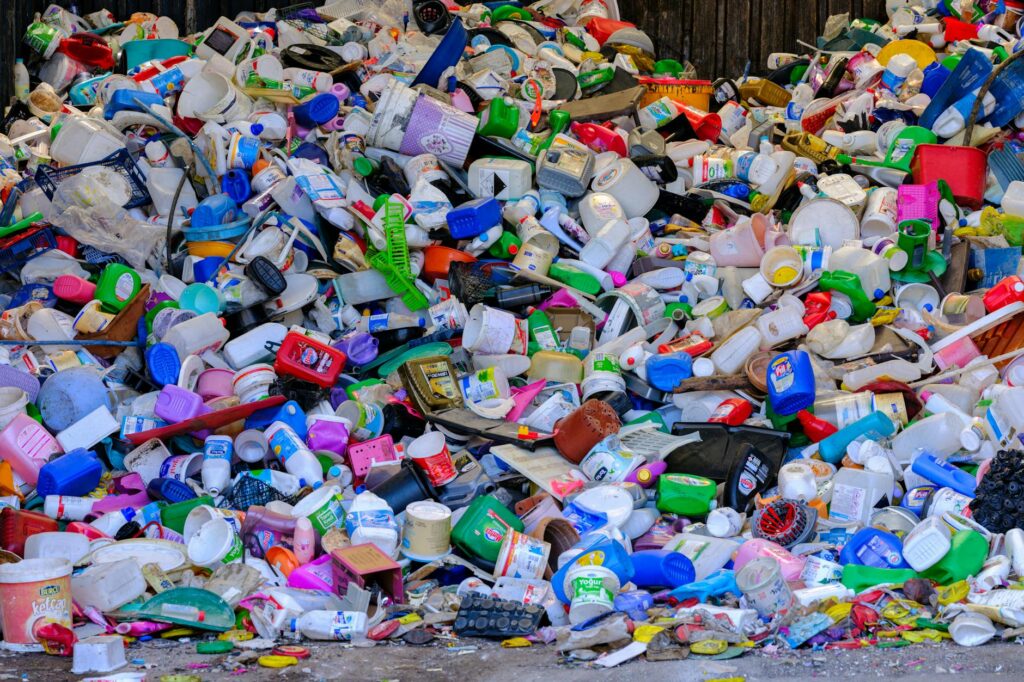
The Unseen Fate of Unrecyclable Junk
Imagine a Saturday afternoon spent clearing out the garage. You’ve gathered piles of old electronics, stained furniture, broken appliances, and a mysterious collection of warped plastic containers. While the thought of recycling many of these items is comforting, a nagging question arises: what happens to the junk that can’t be recycled? This is where complexities of waste removal becomes Key. It’s not just about sorting bins. it’s about knowing the final destination for every item we discard.
Last updated: April 24, 2026
When items can’t be recycled through conventional means, they typically end up in specialized disposal facilities. These can include sanitary landfills designed to contain waste, or waste-to-energy plants that incinerate materials to generate power. The specific process depends on the material type, local regulations, and available infrastructure.
Why Can’t Everything Be Recycled?
The dream of a perfectly circular economy — where every material is infinitely reused, faces significant hurdles. Not all materials are created equal metals, and fabrics. Separating these components effectively for recycling can be technically challenging and economically unfeasible. For example, some multi-layered packaging, like certain crisp packets or coffee pouches, combines different types of plastic and aluminum foil, making them difficult to process in standard recycling facilities.
The Journey to the Landfill
Sanitary landfills are engineered facilities designed to safely contain solid waste. they’re far more sophisticated than the dumps of the past. Modern landfills feature:
- Liners: Thick layers of clay and plastic liners prevent leachate (liquid that has passed through the waste) from contaminating the soil and groundwater.
- Leachate Collection Systems: Pipes collect leachate — which is then treated.
- Gas Collection Systems: As organic waste decomposes, it produces methane gas. Collection systems capture this gas — which can sometimes be used to generate electricity, reducing greenhouse gas emissions. According to the EPA’s Landfill Methane Outreach Program, landfill gas capture is a significant strategy in reducing potent greenhouse gases.
While landfills are designed for containment, they still represent a loss of valuable resources. Materials buried here are basically removed from the economic cycle. The EPA estimates that in 2018, about 50% of municipal solid waste (MSW) in the United States ended up in landfills, a figure that highlights the scale of the challenge.
Waste-to-Energy: A Powerful Alternative
For non-recyclable waste that can be safely incinerated, waste-to-energy (WTE) facilities offer a more dynamic solution. These plants burn waste under controlled conditions to produce heat — which is then used to generate electricity.
WTE offers several advantages:
- Volume Reduction: Incineration can reduce the volume of waste by up to 90%, extending the lifespan of landfills.
- Energy Generation: It provides a renewable energy source from materials that would otherwise be discarded.
- Controlled Emissions: Modern WTE plants are equipped with advanced pollution control technologies to minimize the release of harmful substances into the atmosphere, often meeting or exceeding stringent environmental standards set by bodies like the European Environment Agency (2021).
However, WTE isn’t a perfect solution. Concerns remain about the potential for air pollution if systems aren’t maintained rigorously, and the process still requires residual ash to be disposed of, typically in specialized landfills.
Specialized Disposal and Treatment
Some types of unrecyclable junk require very specific handling due to their composition or potential risks:
- E-Waste: Electronics like old computers, televisions, and mobile phones often contain valuable metals but also hazardous materials like lead and mercury. Dedicated e-waste recycling facilities are Key. When these aren’t available, some components might be treated as hazardous waste or sent to specialized landfills designed for such materials. Companies like Electronics Take Back Coalition advocate for better e-waste management.
- Hazardous Household Waste (HHW): Items such as solvents, pesticides, automotive fluids, and certain cleaning products are classified as hazardous. These must be collected separately through designated HHW programs, often run by local municipalities, to prevent environmental contamination.
- Bulky Items: Large items like mattresses, old sofas, or construction debris might be non-recyclable due to their size, material mix, or contamination. These often go to landfills or WTE facilities, though some waste removal services might offer specialized processing for certain bulky items.
What Can You Do? Practical Tips for Managing Unrecyclable Junk
While it’s impossible to recycle everything, we can all take steps to minimize the amount of unrecyclable junk we generate and ensure responsible disposal:
1. Reduce Consumption First
The most effective strategy is to reduce the amount of waste you create. Before buying new, ask yourself if you truly need it. Opt for durable goods over disposable ones. When possible, choose products made from recycled or easily recyclable materials.
2. Repair and Reuse
Before discarding an item, consider if it can be repaired. Many appliances, furniture pieces, and even electronics can be given a new lease on life with a little effort or professional help. Donating usable items to charities or selling them secondhand also keeps them out of the waste stream.
3. Know Your Local Recycling Rules
Recycling guidelines vary by municipality. What’s accepted in one town might not be in another. Check your local council or waste management provider’s website for the most up-to-date information. Avoid ‘wish-cycling’ – putting items in the recycling bin hoping they’ll be recycled. You can contaminate entire batches of otherwise recyclable materials.
4. Seek Out Specialized Recycling Programs
For items like electronics, batteries, light bulbs, or textiles, look for dedicated collection points or specialized recycling events in your area. Many retailers also offer take-back programs for certain products, such as old mobile phones or printer ink cartridges.
5. Use Professional Waste Removal Services
When you have a large amount of junk, including items you suspect are unrecyclable, professional junk removal services like Little Green Junk are invaluable. Reputable companies are knowledgeable about local disposal regulations and prioritize responsible disposal. They often have established relationships with sorting facilities and landfills, and some even sort through collected items to extract any recyclable components missed by household sorting.
A key aspect of responsible waste removal is transparency. A good service will be able to tell you where your waste is going and what efforts are made to divert it from landfills.
6. Dispose of Hazardous Waste Properly
Never pour hazardous liquids down the drain or put them in regular trash. Locate your nearest Household Hazardous Waste (HHW) collection site or event. Here are critical for protecting our water supply and environment.
Frequently Asked Questions
what’s the most common type of unrecyclable waste?
Composite materials, such as certain types of flexible packaging (like snack bags or pet food bags) and multi-material products (like some insulated coffee cups), are among the most common types of waste that are difficult or impossible to recycle through standard municipal programs due to their mixed material composition.
Can unrecyclable waste be harmful to the environment?
Yes, if not managed properly. Unregulated dumping can lead to soil and water contamination. Even in landfills, decomposing waste can release methane, a potent greenhouse gas. Hazardous components in unrecyclable waste can leach into the environment, posing significant risks.
How much unrecyclable waste ends up in landfills?
The exact amount varies globally and by region, but a significant portion of municipal solid waste globally remains unrecyclable through standard streams. In the US, for example, around 50% of MSW historically went to landfills, though efforts are ongoing to divert more through recycling and waste-to-energy processes.
Are there new technologies emerging for unrecyclable waste?
Yes, research is ongoing into advanced recycling technologies like chemical recycling — which breaks down plastics into their basic chemical components for reuse. Pyrolysis and gasification are other emerging technologies aiming to convert waste into fuel or valuable chemicals, though widespread implementation and economic viability are still developing.
what’s the role of companies like Little Green Junk in managing unrecyclable waste?
Companies like Little Green Junk play a vital role by collecting, sorting, and transporting waste to appropriate disposal or recycling facilities. They often have the expertise and resources to identify materials that can be recycled and ensure that non-recyclable items are sent to licensed landfills or waste-to-energy plants, adhering to environmental regulations.
Conclusion: Responsible Disposal is Key
The question of what happens to junk that can’t be recycled highlights the ongoing challenges in waste management. While landfills and waste-to-energy plants are current solutions, the ultimate goal is to minimize the need for them. By focusing on reducing consumption, embracing repair and reuse, and utilizing specialized recycling programs, we can lessen the burden of unrecyclable waste. When faced with items that truly have no other destination, professional waste removal services provide a responsible and efficient way to ensure these materials are handled according to environmental standards. Making informed choices about our waste is a critical step towards a more sustainable future.