
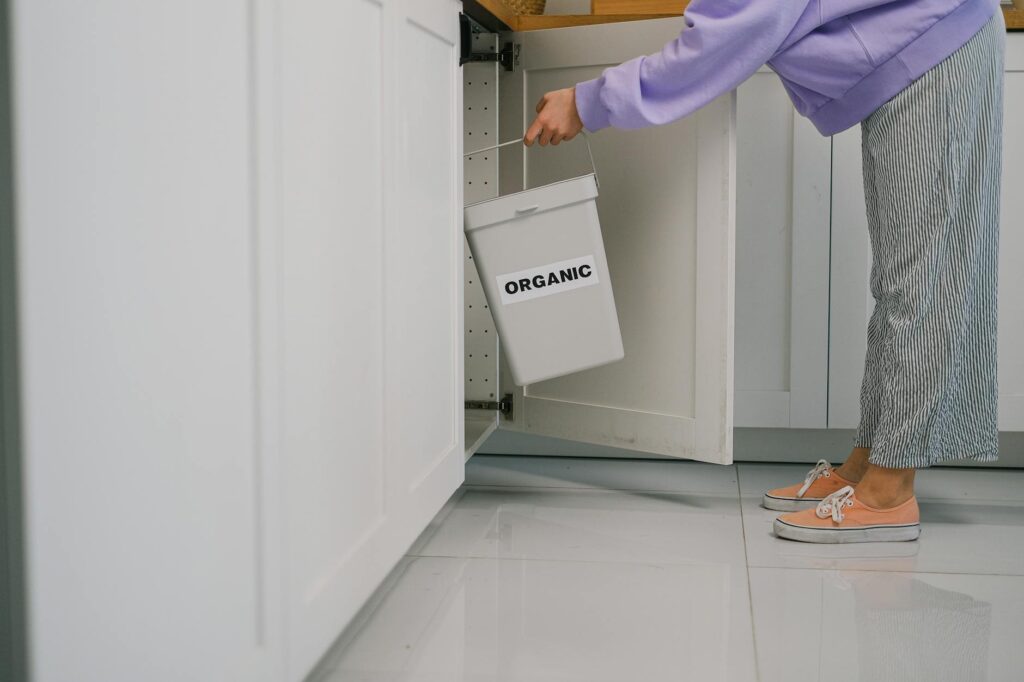
The Crucial Role of Organic Waste Management in 2026
This guide covers everything about Why Organic Waste Management Is Important. As of April 2026, the sheer volume of waste generated globally presents a significant environmental challenge. Among the various waste streams, organic waste—food scraps, yard trimmings, and other biodegradable materials—demands particular attention. It’s not just about reducing clutter; effectively managing organic waste is vital for combating climate change, improving soil health, and fostering a more sustainable future. Little Green Junk, committed to responsible disposal, highlights why this aspect of waste management is more important now than ever.
Last updated: April 29, 2026
- Improperly managed organic waste in landfills produces potent methane gas, a greenhouse gas 25 times more effective at trapping heat than carbon dioxide over 100 years.
- Composting and anaerobic digestion can divert significant amounts of organic material from landfills, creating valuable soil amendments and biogas energy.
- Effective organic waste management contributes to a circular economy by returning nutrients to the soil and reducing reliance on synthetic fertilizers.
- Reducing food waste at its source is the most impactful step, with households being major contributors to this problem.
Why is organic waste management so important? It directly impacts our environment by mitigating harmful greenhouse gas emissions, conserving valuable landfill space, and creating a resource from what would otherwise be waste. Addressing this challenge requires a multi-pronged approach, from individual household practices to community-wide initiatives and professional services like those offered by Little Green Junk.
Understanding Organic Waste and Its Impact
Organic waste refers to any material that’s biodegradable, meaning it can be broken down by natural biological processes. This includes:
- Food scraps: Leftovers from meals, fruit and vegetable peels, coffee grounds, tea bags, eggshells, and bones.
- Yard trimmings: Grass clippings, leaves, branches, and garden waste.
- Paper and cardboard: Untreated, unsoiled paper products, cardboard, and natural fibers.
- Animal waste: Manure from pets and livestock.
When these materials end up in a typical landfill, they decompose anaerobically (without oxygen). This process releases methane (CH4), a potent greenhouse gas. According to the U.S. Environmental Protection Agency (EPA) (2023 data, extrapolated for 2026 trends), landfills are a significant source of human-related methane emissions in the United States, with a substantial portion attributed to the decomposition of organic materials. This methane contributes directly to global warming and climate change, posing a serious threat to ecological balance.
The Environmental Benefits of Proper Organic Waste Management
Effectively managing organic waste offers profound environmental advantages. One of the primary benefits is the significant reduction in greenhouse gas emissions. By diverting organic materials from landfills, we prevent the large-scale production of methane. Instead, processes like composting and anaerobic digestion allow for controlled decomposition, often capturing valuable byproducts.
Composting, for instance, transforms organic waste into a nutrient-rich soil amendment. This compost improves soil structure, enhances water retention, and reduces the need for chemical fertilizers, which themselves have environmental impacts related to their production and runoff. Anaerobic digestion, another key process, breaks down organic matter in the absence of oxygen, producing biogas—a renewable energy source—and digestate, a nutrient-rich residue that can be used as fertilizer. The European Environment Agency (EEA) has noted the growing importance of these technologies in meeting renewable energy targets and reducing landfill reliance.
Also, reducing the volume of waste sent to landfills extends the lifespan of existing sites and decreases the need for new ones, which often face public opposition and have significant land-use implications. This conserves land and reduces the potential for groundwater contamination from landfill leachate.
Economic Advantages and Resource Recovery
Beyond the environmental imperative, organic waste management presents compelling economic opportunities. The recovery of valuable resources from waste streams contributes to a more circular economy. Instead of discarding materials, we can repurpose them:
- Compost as a valuable product: High-quality compost can be sold to gardeners, landscapers, and agricultural operations, creating jobs and revenue.
- Biogas for energy: Biogas generated from anaerobic digestion can be used to produce electricity, heat, or even vehicle fuel, reducing reliance on fossil fuels and offering cost savings.
- Nutrient recovery: Digestate and compost return essential nutrients like nitrogen and phosphorus to the soil, reducing the demand for expensive and energy-intensive synthetic fertilizers. According to The Food and Agriculture Organization of the United Nations (FAO) (as of 2026 data points to increasing reliance on nutrient recovery), this nutrient cycling is crucial for sustainable agriculture.
These resource recovery efforts not only create economic value but also reduce the costs associated with waste disposal, such as landfill tipping fees and transportation. For businesses, implementing effective organic waste management can also lead to improved brand reputation and customer loyalty, as consumers increasingly favor environmentally responsible companies.
 ▶
▶
Why Waste Segregation is Important | Waste Management | The Planet Voice
Practical Tips for Managing Organic Waste at Home
As individuals, our actions play a significant role. Little Green Junk encourages our clients in York, PA, and beyond to adopt these practices:
Start Composting
Composting is one of the most effective ways to manage food scraps and yard waste. You can:
- Set up a backyard compost bin: This is ideal for households with yard space. It requires a mix of ‘greens’ (nitrogen-rich materials like food scraps) and ‘browns’ (carbon-rich materials like dry leaves and shredded paper).
- Use a worm bin (vermicomposting): A great option for apartments or smaller spaces, using red wiggler worms to break down food scraps.
- Participate in a community composting program: Many municipalities offer drop-off locations or curbside collection for organic waste. Check with your local waste management authority for options.
Experience insight: Getting the balance of greens and browns right is key to avoiding odors and speeding up decomposition. Too many greens can lead to a slimy, smelly pile, while too many browns will slow down the process considerably. Aim for roughly a 2:1 to 3:1 ratio of browns to greens by volume.
Reduce Food Waste at the Source
The most impactful step is to generate less organic waste in the first place. Consider these strategies:
- Plan meals and shop smart: Buy only what you need and use up ingredients before they spoil.
- Store food properly: Learn the best ways to store fruits, vegetables, and other perishables to extend their shelf life.
- Understand ‘best by’ dates: Many foods are still safe to eat past their ‘best by’ date; use your senses to check.
- Compost or share excess food: If you have excess edible food, consider sharing it with neighbors or local food banks, or compost what can’t be used.
Proper Disposal of Non-Compostable Organic Materials
For organic materials that can’t be composted at home (e.g., meat scraps, dairy, greasy food waste in some systems) or for larger cleanouts, professional junk removal services are invaluable. Little Green Junk can collect and transport these materials to appropriate composting or processing facilities, ensuring they are managed responsibly and kept out of landfills.
Organic Waste Management in Business and Municipalities
Businesses and local governments also play a critical role. Many municipalities are implementing curbside organic waste collection programs, similar to recycling programs. Businesses, particularly those in the food service industry (restaurants, grocery stores, catering), generate substantial amounts of organic waste and can benefit significantly from diverting it.
Implementing on-site composting or partnering with commercial composting facilities can reduce waste disposal costs and contribute to sustainability goals. Some cities, like San Francisco, have mandated organic waste diversion for businesses and residents. Such mandates, as of 2026, are becoming more common as communities recognize the urgency of waste reduction.
For businesses looking to manage large volumes of waste, including organic materials, Little Green Junk offers tailored removal solutions. We can help clear out spaces and ensure materials are sorted and transported to the most appropriate recycling or disposal facilities, aligning with local regulations and sustainability objectives.
The Future of Organic Waste Management
The future of organic waste management points towards increased innovation and integration into a circular economy model. Technologies like advanced anaerobic digestion are becoming more efficient, producing higher yields of biogas and nutrient-rich digestate. Also, there’s a growing focus on minimizing waste at the source through better consumer education and product design.
Smart bins, AI-powered waste sorting, and improved logistics for collecting and processing organic materials are also on the horizon. The goal is to treat organic waste not as a problem, but as a valuable resource that can contribute to energy production, soil health, and a more sustainable environment for generations to come.
Frequently Asked Questions
What are the primary benefits of managing organic waste?
The primary benefits include reducing harmful methane gas emissions from landfills, conserving landfill space, creating nutrient-rich compost for soil enrichment, and generating renewable biogas energy, all contributing to a healthier environment and a more circular economy.
Is composting difficult to start?
Composting can be as simple or as complex as you make it. Backyard bins and worm bins are relatively easy to set up and maintain with basic guidance, while municipal programs offer a convenient, hands-off approach for many households.
Can all organic waste be composted?
Most common organic wastes like fruit and vegetable scraps, coffee grounds, tea bags, and yard trimmings can be composted. However, meat, dairy products, oils, and diseased plants are generally not recommended for home composting due to potential odor, pest attraction, and pathogen risks, though commercial facilities can often handle these.
How does organic waste contribute to climate change?
When organic waste decomposes in an oxygen-deprived environment like a landfill, it releases methane (CH4), a potent greenhouse gas. Methane traps significantly more heat in the atmosphere than carbon dioxide, directly contributing to global warming and climate change.
What is the role of companies like Little Green Junk in organic waste management?
Companies like Little Green Junk play a role in responsible waste disposal by collecting and transporting organic materials from homes and businesses to appropriate composting or processing facilities, diverting them from landfills and supporting sustainable waste management practices.
Conclusion
The importance of organic waste management in 2026 can’t be overstated. It’s a critical component of environmental stewardship, offering tangible benefits for our climate, soil, and economy. By understanding the impact of our waste and adopting practices like composting, reducing food waste, and utilizing professional services for larger cleanouts, we can all contribute to a more sustainable future. Little Green Junk is here to help you manage your waste responsibly, ensuring that valuable organic materials are diverted from landfills and given a new purpose.
Editorial Note: This article was researched and written by the Little Green Junk editorial team. We fact-check our content and update it regularly. For questions or corrections, contact us.
Related read: Your Personal Contribution to Climate Change & Junk Removal York PA 2026