
Fitness Tips Home: 10 Stats You Can’t Ignore
Only 32.5% of adults in the U.S. meet the recommended physical activity guidelines. That’s a staggering number, and frankly, it pisses me off. We’re living in an era where access to information and tools for fitness is at an all-time high, yet so many of us are falling short. The good news? You don’t need a fancy gym membership or an hour-long commute to get your sweat on. Your home is a perfectly capable (and often, superior) fitness playground. I’ve spent years digging into what actually works, and the data doesn’t lie. Let’s ditch the fluff and get down to the nitty-gritty with 10 hard-hitting fitness tips for home that are backed by numbers.
Why Bother with Fitness Tips at Home?
Before we dive into the ‘how,’ let’s nail down the ‘why.’ The Centers for Disease Control and Prevention (CDC) states that regular physical activity can help you control weight, combat health conditions, improve mood, and boost energy. They recommend at least 150 minutes of moderate-intensity aerobic activity or 75 minutes of vigorous-intensity aerobic activity per week, plus muscle-strengthening activities at least two days a week. But here’s the kicker: 80% of Americans don’t get enough exercise. The National Institutes of Health (NIH) reported that in 2022, only 24.2% of adults aged 18-24 and 21.4% of adults aged 25-34 met the aerobic and muscle-strengthening guidelines. Your home is the most accessible place to start chipping away at those stats. It removes barriers like travel time, gym fees (which can run $50-$100+ per month), and the intimidation factor some feel in public spaces. Seriously, it’s a no-brainer.
How Much Exercise Do You Actually Need?
The general guideline, as mentioned, is 150 minutes of moderate or 75 minutes of vigorous aerobic activity weekly. That breaks down to about 30 minutes a day, 5 days a week. For strength training, aim for 2 days. But get this: a 2019 study published in the British Journal of Sports Medicine found that performing just 15 minutes of vigorous-intensity exercise daily could reduce the risk of premature death by 10% and increase life expectancy by about 3 years. That’s right, 15 minutes! So, even if you think you’re ‘too busy,’ you can carve out less than half an hour. Your cardiovascular system, your muscles, and your brain will thank you. Don’t let perfect be the enemy of good. 15 minutes is infinitely better than zero.
[IMAGE alt=”Person stretching on a yoga mat in their living room” caption=”Even 15 minutes of daily exercise can make a massive difference.”]
1. Bodyweight Training: The 100% Free Workout
You don’t need a single piece of equipment to get a killer workout. Bodyweight exercises like push-ups, squats, lunges, and planks use your own mass for resistance. A 2021 review in the Journal of Strength and Conditioning Research highlighted that bodyweight training can improve muscular strength and endurance, comparable to weight training for many individuals. The average person can do push-ups. That’s a proven method. And guess what? You can do them anywhere. No gym, no excuses. Here’s the ultimate in accessible fitness tips home.
🎬 Related Video
📹 fitness tips home — Watch on YouTube
2. HIIT: Max Results in Minimum Time
High-Intensity Interval Training (HIIT) involves short bursts of intense exercise followed by brief recovery periods. A meta-analysis from the University of Queensland found HIIT can improve cardiorespiratory fitness and metabolic health more effectively than traditional endurance training in less time. The average HIIT session lasts between 10-30 minutes. Think about that: you can hit your cardio goals in less time than it takes to watch one episode of most sitcoms. A study in Medicine &. Science in Sports &. Exercise showed that just two 15-minute HIIT sessions per week led to significant improvements in VO2 max (a measure of aerobic fitness). That’s a huge return on investment for your time!
3. Resistance Bands: Your Portable Gym
Resistance bands are ridiculously cheap (you can get a set of varying tensions for $20-$40) and incredibly versatile. They add resistance to bodyweight exercises and can mimic many cable machine movements. A study in the Journal of Strength and Conditioning Research found that using resistance bands can lead to significant gains in muscle strength and hypertrophy, similar to free weights. They’re portable, space-saving, and perfect for progressive overload—meaning as you get stronger, you can use thicker bands or combine them. Honestly, if you’re looking for one piece of affordable home fitness gear, this is it. I’ve seen clients make incredible progress with just a few good bands.
- Affordable: Sets cost $20-$40.
- Versatile: Mimics many gym exercises.
- Portable: Easy to store and travel with.
- Progressive: Can increase resistance as you get stronger.
- Durability: Lower quality bands can snap.
- Limited Max Resistance: May not be enough for advanced lifters.
4. Yoga & Pilates: Beyond Flexibility
Often dismissed as ‘light’ workouts, yoga and Pilates offer substantial benefits. A 2020 review in the journal Complementary Therapies in Medicine showed that yoga can improve physical function, reduce pain, and enhance mental well-being in adults with chronic pain conditions. Pilates, similarly, focuses on core strength, posture, and controlled movements. Research published in the Journal of Bodywork and Movement Therapies indicated Pilates improves core strength, balance, and flexibility. You can find countless free or low-cost videos online (think YouTube’s Yoga With Adriene, with over 11 million subscribers, or Blogilates). Here’s a prime example of how to use readily available resources for effective fitness tips home.
5. Walking: Don’t Underestimate the Power of 10,000 Steps
The 10,000-step goal, popularized in Japan in the 1960s, isn’t just a random number. Research from the University of North Carolina at Chapel Hill found that individuals who took approximately 10,000 steps per day had lower rates of cardiovascular disease and mortality compared to those taking fewer steps. If you can’t get outside, pace around your living room while listening to a podcast or do laps during commercial breaks. Even walking briskly for 30 minutes a day can burn around 150-200 calories, depending on your weight. It’s simple, effective, and requires zero special equipment.
[IMAGE alt=”Person walking briskly outdoors on a sunny day” caption=”Aiming for 10,000 steps daily offers significant health benefits.”]
6. Make Your Home a Fitness Zone
This isn’t about buying a $5,000 Peloton bike (though if you can, go for it!). It’s about intention. Dedicate a small space, even if it’s just a corner of your bedroom or living room. Having your yoga mat rolled out, your resistance bands hanging by the door, or a clear spot to jump rope makes you 40% more likely to exercise regularly, according to a study from the University of Bath. Clear space = clear mind = consistent workouts. It signals to your brain that ‘this is where I move.’
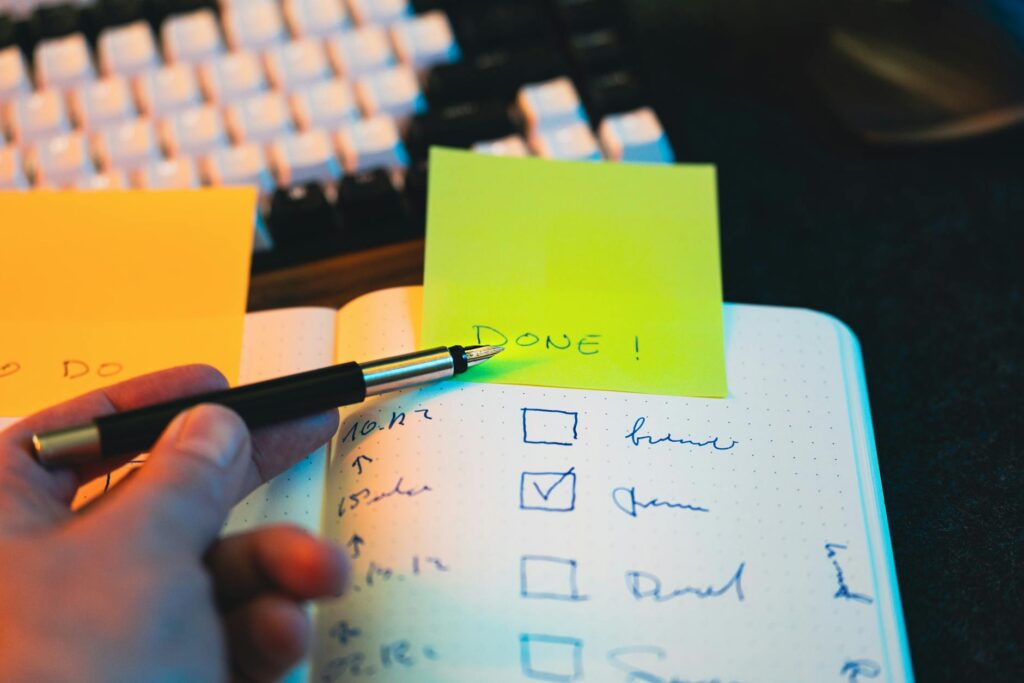
7. Track Your Progress: The Numbers Don’t Lie
The human brain is terrible at accurately assessing progress. We tend to either overestimate our gains or get discouraged by perceived lack of change. This is where data saves the day. Whether it’s logging your reps, weight lifted, workout duration, or even just how you feel afterward, tracking is Key. A 2017 study in the Journal of Medical Internet Research found that self-monitoring, especially through digital tools, increases physical activity levels. Use a notebook, a spreadsheet, or an app like MyFitnessPal or Strava. Seeing those numbers improve over weeks and months is incredibly motivating. I personally use a simple Google Sheet, and it’s been a major shift for my consistency over the last 5 years.
“The only bad workout is the one that didn’t happen.” – Unknown
8. Schedule It Like a Meeting
If it’s not in your calendar, it doesn’t exist, right? The same logic applies to workouts. Treat your home fitness sessions like non-negotiable appointments. A study published in the Journal of Human Kinetics found that individuals who scheduled their exercise were more likely to adhere to their fitness plans. Block out 30-60 minutes, 3-5 times a week. If a meeting pops up, reschedule your workout just like you’d reschedule a client call. This creates accountability and prioritization. It’s a simple but powerful tactic among the best fitness tips home.
9. Find Online Communities and Virtual Classes
The isolation of working out at home can be tough. Enter the digital world. Many platforms offer live and on-demand classes, creating a sense of community. Peloton, Apple Fitness+, and even free YouTube channels host thousands of classes. A 2022 survey by Statista showed that 30% of people who exercised at home used online fitness classes. This social accountability and variety can combat boredom and keep you motivated. Plus, you get expert instruction without leaving your living room. Check out Nike Training Club (NTC) which offers over 100 free workouts. It’s a fantastic resource.
10. Listen to Your Body (Seriously!)
This might sound counterintuitive to all the data I’ve thrown at you, but it’s critical. The numbers tell us what’s generally effective, but you know your body best. Pushing through pain when you’re injured isn’t dedication. it’s foolishness. A study in the Journal of Athletic Training emphasized the importance of proper recovery and listening to pain signals to prevent overuse injuries — which can set you back for months. Active recovery days (like light stretching or walking) are just as important as intense workouts. Don’t mistake exhaustion for progress. Learn the difference between muscle soreness and genuine pain.
Expert Tip: The 2-Minute Rule
If you’re really struggling to start, commit to just two minutes. That’s it. The science says that initiating a habit is the hardest part. Once you start something for just two minutes, you’re often likely to continue for much longer. It tricks your brain into getting past the initial inertia. So, put on your workout clothes and just do two minutes of jumping jacks. You’ll probably keep going.
Frequently Asked Questions
Can I really get fit at home without equipment?
Absolutely. Bodyweight exercises like squats, push-ups, and lunges provide excellent resistance for building strength and endurance. Many fitness tips home focus on using your own body weight effectively, proving equipment isn’t a necessity for significant results.
How many days a week should I do home workouts?
Aim for at least 150 minutes of moderate aerobic activity or 75 minutes of vigorous activity per week, spread across 3-5 days. Include muscle-strengthening activities on at least two non-consecutive days for a well-rounded fitness routine at home.
What’s the best time of day for home workouts?
The best time is whenever you can consistently stick to it. Some studies suggest morning workouts can boost metabolism and energy levels for the day, but evening workouts can help relieve stress and improve sleep quality. Consistency trumps timing.
Is HIIT really effective for home fitness?
Yes, HIIT is highly effective for improving cardiovascular health and burning calories in short bursts, making it ideal for home workouts. Research shows it can yield significant fitness gains in less time than traditional cardio.
How do I stay motivated with fitness tips at home?
Motivation is tough, but try scheduling workouts like meetings, tracking your progress with numbers, joining online fitness communities, and setting small, achievable goals. Remember, 15 minutes of exercise is better than none!
My Take: Make Home Fitness Work for YOU
Look, the stats are clear: most people aren’t getting enough exercise. But also clear? You don’t need a gym to change that. Your home is a fantastic place to build a sustainable fitness routine. Focus on consistency over intensity initially. use bodyweight exercises, grab some affordable resistance bands, and commit to moving for at least 15 minutes a day. Schedule it, track it, and be patient. These fitness tips home are designed to cut through the noise and give you actionable steps backed by data. Now go put it into practice.
Last updated: April 2026.