what’s Construction Waste and Why Does Proper Disposal Matter?
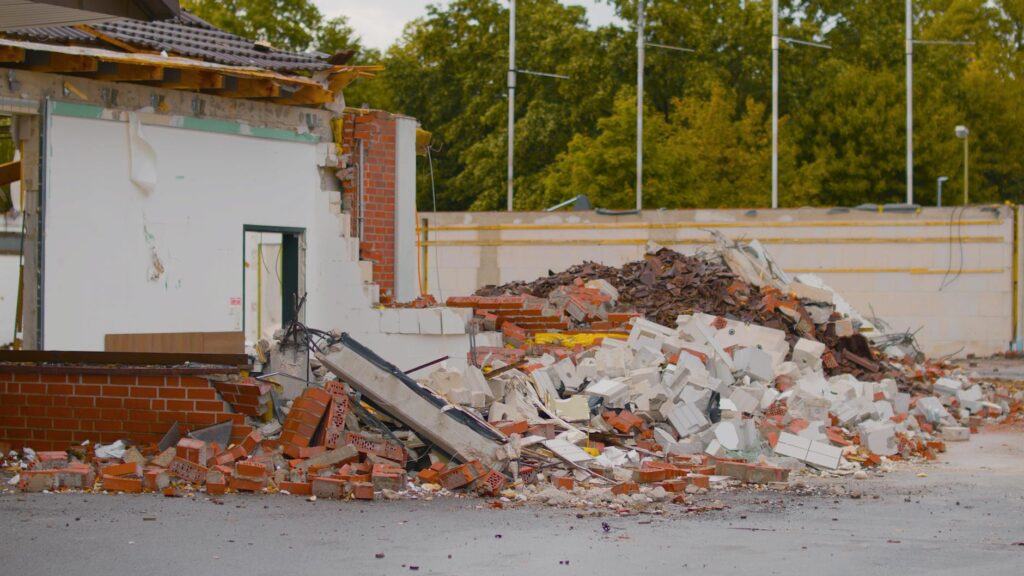
Construction projects, whether a small renovation or a large-scale build, inevitably generate a significant amount of debris. This waste, often referred to as construction and demolition (C&D) debris, can include materials like concrete, wood, drywall, metals, asphalt, and glass. Improper disposal of this waste can lead to environmental hazards, legal penalties, and costly cleanup efforts. Understanding construction debris removal how to dispose of construction waste is essential for any contractor, homeowner, or developer aiming for an efficient and responsible project completion. Little Green Junk specializes in making this process as smooth and eco-friendly as possible for our clients.
Last updated: April 24, 2026
The Environmental Protection Agency (EPA) notes that in the United States, construction and demolition activities generate millions of tons of waste annually. For instance, in 2018, the EPA estimated that over 600 million tons of C&D debris were generated nationwide. Proper management ensures that valuable materials are recycled or reused, reducing the strain on landfills and conserving natural resources. It also prevents potential soil and water contamination from hazardous components often found in building materials.
The First Step: Sorting and Segregation
Before any removal can happen, effective sorting is key. This involves separating different types of waste materials at the source. This practice not only simplifies disposal but also increases the potential for recycling. Think of it as a preliminary step to efficient waste management.
Most C&D waste can be categorized into several groups:
- Concrete, Bricks, and Masonry: These can often be crushed and reused as aggregate for new construction projects or road bases.
- Wood: Untreated wood can be chipped for mulch, used for biomass fuel, or recycled into new wood products. Treated wood requires special handling.
- Metals: Steel, aluminum, copper, and other metals are highly recyclable. Scrap metal dealers and recycling facilities readily accept these materials.
- Drywall (Gypsum Board): This material can be recycled into new drywall or used as a soil amendment, but it must be kept dry and free from contaminants like paint or wallpaper.
- Asphalt Shingles: While historically difficult to recycle, technologies now allow for the recycling of asphalt shingles into new paving materials or as a component in asphalt.
- Plastics and Insulation: Some plastics can be recycled, and certain types of insulation might be reusable or recyclable.
- Hazardous Materials: Items like asbestos, lead-painted materials, or chemicals require specialized handling and disposal according to strict regulations.
A well-organized sorting process on-site can drastically reduce the volume of waste sent to landfills. Consider setting up designated areas or bins for each material type. This proactive approach can save time and money in the long run.
Understanding Local Regulations and Permits
rules governing construction debris removal and disposal is really important to avoiding fines and ensuring environmental compliance. According to the Environmental Protection Agency (EPA) (2023), regulations vary by state, county, and even city. These rules dictate what types of waste can be disposed of in landfills, what must be recycled, and how hazardous materials should be handled.
Before you begin any demolition or construction work, check with your local municipality or waste management authority. Key information to gather includes:
- Permit requirements for debris removal or dumpster placement.
- Designated landfills or transfer stations that accept C&D waste.
- Recycling mandates or incentives for specific materials.
- Restrictions on the disposal of certain items (e.g., treated wood, asbestos).
- Guidelines for managing hazardous waste — which often requires specialized licensed contractors.
For example, in California, Assembly Bill 1866 mandates that cities and counties divert at least 50% of C&D waste from landfills through source reduction, reuse, recycling, and composting. Failure to comply can result in significant penalties. Understanding these local nuances is a critical part of responsible construction debris removal how to dispose of construction waste.
Options for Disposal: Dumpsters vs. Full-Service Removal
you generally have two primary options: renting a dumpster or hiring a professional junk removal service like Little Green Junk.
Renting a Dumpster
Dumpster rentals are a common choice for larger projects. You rent a container of a specific size (e.g., 10, 20, 30, or 40 cubic yards) and fill it yourself over a set period. The rental company then picks up the full dumpster and disposes of the contents.
Pros:
- Cost-effective for large volumes of waste if you can fill it efficiently.
- Gives you control over the loading process and timeline.
- Available in various sizes to suit project needs.
Cons:
- you’re responsible for loading all the debris — which can be labor-intensive and time-consuming.
- Requires careful consideration of dumpster placement to avoid property damage or access issues.
- May require permits for placement on public property.
- Potential for overfilling, leading to extra fees.
Professional Junk Removal Services
Hiring a service like Little Green Junk provides a complete solution. Our teams handle everything from the loading and sorting of debris to the transportation and disposal or recycling. Here’s often the most convenient and efficient option, especially for homeowners or those on tight schedules.
Pros:
- Labor included – we do all the heavy lifting.
- Fast and efficient removal, often same-day or next-day service.
- We handle sorting and maximize recycling efforts.
- No need to worry about permits or landfill logistics.
- Transparent pricing, usually based on volume and type of waste.
Cons:
- Can be more expensive upfront than a DIY dumpster rental for very large, homogenous loads.
- Less direct control over the timeline if immediate availability is an issue (though we strive for prompt service).
For many, the convenience and eco-friendly approach of a professional service outweigh the potential cost savings of a DIY dumpster rental. We ensure that your construction debris removal how to dispose of construction waste is handled professionally and responsibly.
Maximizing Recycling and Minimizing Landfill Waste
The goal of sustainable construction debris removal is to divert as much waste from landfills as possible. According to the Whole Building Design Guide (n.d.), recycling C&D materials can reduce greenhouse gas emissions, conserve natural resources, and decrease the demand for landfill space.
Here’s how Little Green Junk prioritizes recycling:
- Source Separation: When possible, we encourage and assist with on-site sorting.
- Material Identification: Our teams are trained to identify recyclable materials like metals, clean wood, concrete, and drywall.
- Partnerships: We work with specialized recycling facilities that process C&D waste, turning it into valuable resources. For example, crushed concrete can be used in road construction, and clean wood can be turned into mulch or particleboard.
- Donation: Usable building materials, such as doors, windows, or fixtures, can sometimes be donated to organizations like Habitat for Humanity ReStores.
When you choose Little Green Junk, you’re choosing a partner committed to sustainable practices. We aim to recycle or donate at least 60% of the materials we collect, reducing your project’s environmental footprint.
Dealing with Hazardous Construction Waste
Certain construction materials pose risks to human health and the environment if not handled correctly. Here are classified as hazardous waste and require special attention.
Common hazardous materials found on construction sites include:
- Asbestos: Found in older building materials like insulation, flooring, and roofing. Inhaling asbestos fibers can cause serious lung diseases. Removal must be performed by certified professionals.
- Lead Paint: Common in homes built before 1978. Lead dust from sanding or demolition can be toxic, especially to children.
- Chemicals: Solvents, adhesives, paints, sealants, and cleaning agents can be hazardous and may require specific disposal methods.
- Treated Wood: Wood treated with chemicals like chromated copper arsenate (CCA) needs special handling.
Disposal of hazardous waste is strictly regulated by agencies like the Occupational Safety and Health Administration (OSHA) (n.d.) and state environmental agencies. Improper disposal can lead to severe legal consequences and environmental damage. Little Green Junk is equipped to identify and manage many types of hazardous waste, but for highly regulated materials like asbestos, we recommend consulting with specialized abatement companies and ensuring they follow all relevant safety protocols.
Case Study: Renovating an Old Victorian Home
Consider a client renovating a 1920s Victorian home in a historic district. The project involved gutting the interior, replacing old plumbing and electrical systems, and removing damaged plaster walls. The anticipated waste included:
- Plaster and lath
- Old wooden beams and flooring
- Scrap metal from pipes and wiring
- Broken glass
- Some lead paint residue
The homeowner opted for Little Green Junk’s full-service removal. Our team arrived on-site and efficiently sorted the debris. The plaster and lath were taken to a facility that composts gypsum. The wood was assessed. some was suitable for reuse in the renovation, while the rest was chipped for mulch. Metal was sent for recycling. We carefully bagged and disposed of materials with lead paint residue according to local guidelines. This approach ensured compliance, maximized recycling, and freed the homeowner from the burden of managing the waste.
Frequently Asked Questions
How much does construction debris removal cost?
The cost varies based on the volume and type of debris, the location, and the service provider. Dumpster rentals are typically priced per rental period and size, plus potential tonnage fees. Full-service junk removal is often priced based on the space your items take up in our truck, labor, and disposal fees. Little Green Junk provides upfront, transparent quotes after assessing the job.
Can I put treated wood in a regular dumpster?
Generally, no. Treated wood often contains chemicals that require specific disposal methods to prevent soil and water contamination. Check with your local waste management authority or junk removal service for proper procedures. some may accept it for special handling, while others prohibit it.
what’s the difference between construction waste and household junk?
Construction waste (or C&D debris) In particular refers to materials generated during the construction, renovation, and demolition of buildings and infrastructure. Household junk encompasses everyday items like furniture, appliances, and general clutter from homes. While both can be removed by junk haulers, their disposal and recycling streams often differ.
How can I reduce waste on my construction project?
Waste reduction starts with planning. Order materials carefully to avoid excess, choose durable and reusable materials, and implement on-site sorting for recycling. Prefabricated components can also minimize on-site cutting and waste. Partnering with a waste-conscious removal service like Little Green Junk further supports these efforts.
Is hazardous waste disposal included in standard junk removal?
Standard junk removal services typically exclude the removal of highly hazardous materials like asbestos or large quantities of chemicals due to stringent regulations and specialized handling requirements. While we can often remove paint cans or certain solvents, it’s Key to discuss any potentially hazardous materials upfront so we can advise on the best course of action or refer you to specialists.
Conclusion: Partnering for Responsible Disposal
Effective construction debris removal how to dispose of construction waste is more than just clearing a site. it’s about environmental stewardship and regulatory compliance. By types of waste generated, adhering to local regulations, and choosing the right disposal method—whether a dumpster rental or a full-service junk removal company—you can ensure your project is completed responsibly.
Little Green Junk is dedicated to providing efficient, eco-friendly solutions for all your construction waste needs. We handle the heavy lifting, sorting, and responsible disposal, allowing you to focus on your project’s success. Contact us today for a free quote and experience a greener way to manage your construction debris.