
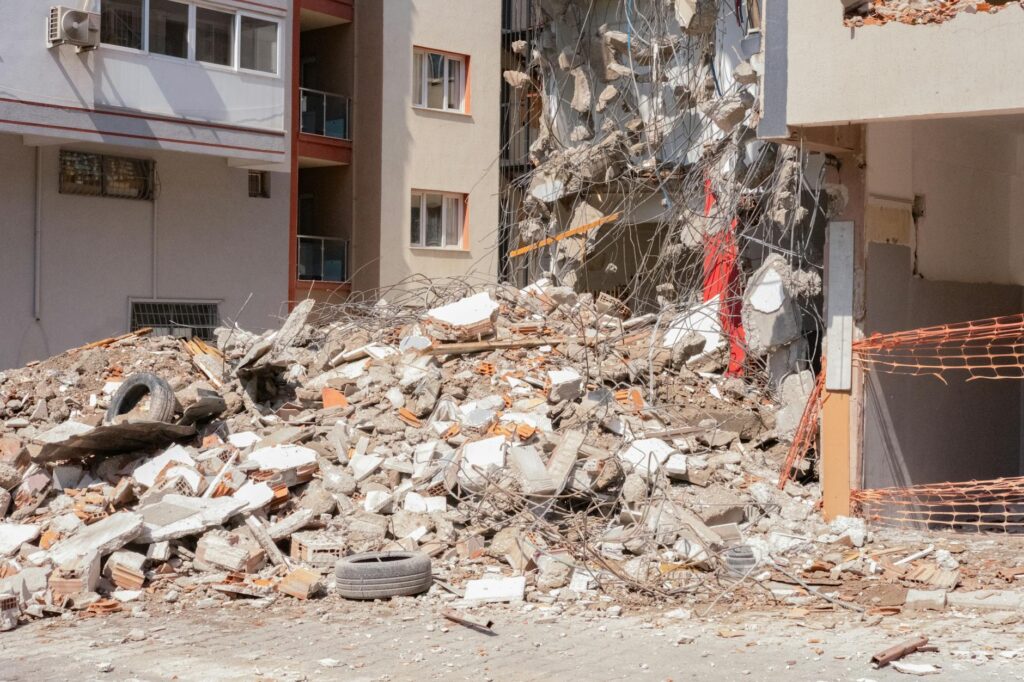
Don’t Let Debris Derail Your Project: Smart Construction Debris Removal And Disposal
A construction project, whether a large-scale commercial build or a small home renovation, inevitably generates a significant amount of waste. From concrete and bricks to wood offcuts and packaging, managing this material responsibly is Key. Effective construction debris removal and disposal isn’t just about aesthetics. it impacts project timelines, budgets, safety, and environmental sustainability. Little Green Junk offers expert solutions to ensure your site is cleared efficiently and with minimal environmental impact.
Last updated: April 23, 2026
what’s Construction Debris?
Construction and demolition (C&D) debris encompasses a broad range of materials produced during the erection, renovation, and demolition of buildings, roads, and bridges. You can include concrete, asphalt, wood, drywall, metals, glass, insulation, and roofing materials. It’s essential to categorize this waste correctly, as some materials, like asbestos or lead-painted wood, require special handling due to hazardous properties.
Why Proper Debris Management Matters
Ignoring proper construction debris removal and disposal can lead to a cascade of problems. Firstly, safety is really important. Piles of debris create tripping hazards and can harbor pests. Secondly, unmanaged waste can delay project completion, as workers may struggle to access work areas. Thirdly, improper disposal can result in hefty fines. According to the Environment Agency (2023), illegal waste dumping carries penalties of up to £50,000 in England and Wales. Finally, choosing sustainable disposal methods contributes positively to environmental goals, reducing landfill burden and promoting resource recovery.
The Direct Answer: How to Handle Construction Debris Removal and Disposal
The most effective approach to construction debris removal and disposal involves segregation of waste materials at the source, utilizing designated skips or bins for different waste types, and partnering with licensed waste removal services that prioritize recycling and responsible disposal, adhering to all local environmental regulations.
Common Types of Construction Debris
types of debris you’re dealing with is the first step toward effective management. Different materials have different disposal requirements and recycling potentials.
- Inert Waste: This includes materials like concrete, bricks, tiles, and ceramics. Here are generally non-hazardous and can often be crushed and recycled for use in new construction projects, such as aggregate for roads.
- Wood Waste: Untreated wood can often be chipped for biomass fuel or mulch. Treated or painted wood may require different disposal methods.
- Metals: Steel, aluminum, copper, and other metals are highly recyclable. Scrap metal dealers often pay for significant quantities.
- Plastics and Packaging: Many types of plastic sheeting, pipework, and packaging can be recycled if clean and sorted.
- Drywall (Gypsum): While seemingly simple, drywall contains gypsum — which can be recycled into new drywall or used as a soil amendment. However, it can produce hydrogen sulfide gas in landfills under anaerobic conditions, so proper management is key.
- Hazardous Waste: This category includes materials like asbestos-containing materials (ACMs), lead paint, treated timber (like creosote-treated railway sleepers), and certain chemicals. These require specialist handling and disposal by licensed professionals to prevent environmental contamination and health risks. For instance, asbestos removal must comply with strict regulations, such as those outlined by the Health and Safety Executive (HSE).
Segregation: The Key to Efficient Disposal
The most effective strategy for construction debris removal and disposal is waste segregation at the source. Instead of tossing everything into one general skip, separating materials makes recycling and proper disposal far more efficient and cost-effective. You can be achieved by:
- Dedicated Skips: Having separate skips for different material types (e.g., one for wood, one for metals, one for inert waste).
- Clear Labeling: Ensuring all bins and skips are clearly labeled to avoid contamination.
- Site Organization: Designating specific areas on the construction site for sorted materials.
This practice not only simplifies the process for waste removal companies but can also reduce disposal costs, as recycled materials often have lower tipping fees than general waste. Some waste removal services even offer rebates for certain recyclable materials.
Choosing the Right Waste Removal Service
Selecting a reputable waste removal company is critical for responsible construction debris removal and disposal. Look for services that:
- Are Licensed and Insured: Ensure they hold all necessary permits and insurance to handle and transport waste legally. In the UK, this means checking their registration with the Environment Agency or equivalent bodies in other regions.
- Prioritize Recycling: Ask about their recycling rates and what percentage of the waste they handle is diverted from landfill. Companies like Little Green Junk often have specific targets for diverting waste, aiming for over 80% recycling for many common materials.
- Offer Transparent Pricing: Get clear, itemized quotes that detail all costs, including collection, transport, tipping fees, and recycling charges. Be wary of unusually low prices — which might indicate illegal disposal practices.
- Handle Hazardous Materials Safely: If your project involves hazardous waste, confirm the company has the expertise and licensing to manage it according to stringent regulations.
- Provide Documentation: Reputable services will provide waste transfer notes or similar documentation, confirming that your waste has been disposed of legally and responsibly.
When comparing options, consider the Environmental Services Association (ESA) guidelines for waste management best practices in the UK.
Recycling and Upcycling Construction Waste
The construction industry is increasingly focusing on sustainability. Recycling and upcycling construction debris offers significant environmental and economic benefits.
Recycling Potential
Many common construction materials are readily recyclable:
| Material | Recycling Method/Use |
|---|---|
| Concrete & Bricks | Crushed for aggregate in new concrete, road base. |
| Wood | Chipped for biomass fuel, mulch, particleboard. |
| Metals | Melted down and reformed into new metal products. |
| Drywall | Gypsum can be used in new drywall or for soil conditioning. |
| Glass | Recycled into new glass products, insulation, or aggregate. |
Upcycling Opportunities
Beyond basic recycling, upcycling involves creatively repurposing materials into new items of higher value. For example, reclaimed timber can be used for feature walls, furniture, or artistic installations. Old bricks can be cleaned and reused in decorative landscaping or interior design.
According to a report by ARUP (2022), circular economy principles in construction can reduce waste and carbon emissions.
Navigating Regulations and Compliance
Compliance with local and national regulations is non-negotiable for construction debris removal and disposal. These regulations cover everything from how waste is classified and stored to how it’s transported and processed.
Key Regulatory Areas
- Waste Hierarchy: Many jurisdictions, including the EU and UK, adhere to a waste hierarchy that prioritizes prevention, reuse, recycling, recovery, and lastly, disposal. Your disposal strategy should align with these principles.
- Hazardous Waste Regulations: Strict rules govern the handling, transport, and disposal of hazardous materials like asbestos, chemicals, and contaminated soil. Failure to comply can lead to severe penalties. The Control of Asbestos Regulations 2012 in the UK is a prime example.
- Landfill Restrictions: Certain types of waste may be banned from landfill, encouraging recycling and alternative disposal methods.
- Duty of Care: In the UK, the Environmental Protection Act 1990 places a ‘duty of care’ on anyone who produces, imports, carries, keeps, treats, or disposes of waste to ensure it’s managed properly.
It’s essential to stay informed about the specific requirements in your area. Consulting with your local council or environmental agency is always recommended.
Cost-Effective Debris Management
While responsible disposal is really important, managing costs effectively is also a priority for any project. Here are some tips:
- Accurate Quoting: Get multiple quotes from licensed waste removal services and compare them carefully. Understand what’s included.
- On-Site Segregation: As mentioned, separating waste at the source can reduce disposal fees.
- Material Reuse: Identify any materials on-site that can be reused within the project, reducing the amount needing disposal.
- Avoidance: Plan projects to minimize waste generation in the first place, perhaps by ordering materials more precisely or using prefabricated components.
- Choose Efficient Services: A service that maximizes recycling often has lower net disposal costs than one that sends everything to landfill.
Little Green Junk: Your Partner in Sustainable Debris Removal
At Little Green Junk, we understand the complexities of construction debris removal and disposal. we’re committed to providing efficient, cost-effective, and environmentally responsible solutions. Our teams are trained to handle a lots of C&D waste, prioritizing recycling and diversion from landfill wherever possible. We adhere strictly to all UK environmental regulations, ensuring your project remains compliant.
Whether you’re undertaking a small renovation or a large commercial development, we can provide tailored skip hire and waste removal services. We aim to divert a significant portion of waste from landfill, often achieving recycling rates exceeding 85% for suitable materials. let’s help you keep your site clean, safe, and environmentally sound.
Frequently Asked Questions
what’s the most common type of construction waste?
The most common types of construction debris typically include concrete, wood, drywall, asphalt, bricks, and metals. The exact composition varies greatly depending on the nature of the construction or demolition work being performed.
How can I reduce construction waste?
Waste reduction starts with careful planning. This includes accurate material ordering to avoid excess, designing for deconstruction, reusing materials where possible, and choosing suppliers who offer minimal packaging or take back options for unused materials.
Is there a limit to how much construction debris I can remove myself?
Regulations vary by local authority. While small amounts from minor DIY projects might be manageable, larger volumes often require a licensed waste carrier, especially if using skip hire. Always check with your local council regarding permits and disposal requirements for larger quantities.
What happens to construction debris after it’s collected?
Responsible waste removal companies sort collected debris. Recyclable materials like wood, metal, concrete, and plastics are sent to specialized recycling facilities. Non-recyclable waste is then disposed of in licensed landfills or waste-to-energy plants, with the aim of minimizing landfill use.
How do I dispose of hazardous construction waste?
Hazardous construction waste, such as asbestos, lead-painted materials, or chemical contaminants, must be handled and disposed of by licensed specialist contractors. These professionals have the training and equipment to manage these materials safely and in compliance with strict environmental and health regulations.
Conclusion: Build Responsibly
Effective construction debris removal and disposal is an integral part of any building project. By prioritizing segregation, partnering with reputable eco-conscious waste removal services like Little Green Junk, and understanding regulatory requirements, you can ensure your project isn’t only completed efficiently but also in an environmentally responsible manner. Embrace sustainable practices to minimize your project’s footprint and contribute to a greener future.