The Immediate Aftermath: When Nature Strikes
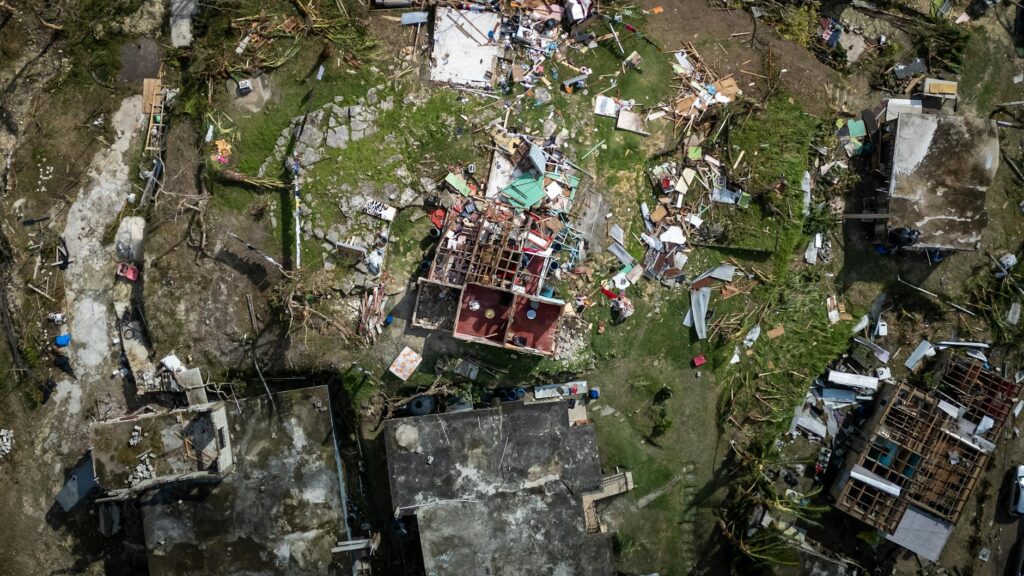
A severe storm can leave a trail of destruction, turning familiar landscapes into unrecognizable chaos. High winds, heavy rain, or even snow can bring down trees, scatter debris, and cause significant damage to homes and businesses. The Federal Emergency Management Agency (FEMA) estimates that in 2023 alone, there were over 20 major disaster declarations, many of which were storm-related, impacting millions of Americans.
Last updated: April 24, 2026
Following such events, the immediate priority is safety. However, the sheer volume of debris and the potential for hazardous materials can make the cleanup process daunting. Here’s where professional junk removal services become invaluable. They provide the expertise, equipment, and manpower to tackle the mess efficiently and safely.
Direct Answer: How Junk Removal Companies Help Post-Storm
Junk removal companies offer complete services for clearing up after a storm by efficiently hauling away fallen trees, damaged structures, scattered debris, and potential hazardous materials. They possess specialized equipment and trained personnel to handle large-scale cleanup, ensuring properties are safely restored, saving homeowners significant time and effort.
Assessing the Damage: What Needs Removing?
The first step in any post-storm cleanup is a thorough assessment of the damage. This involves walking your property and identifying all the items that need to be removed. Common types of storm debris include:
- Fallen Trees and Branches: Large limbs or entire trees can be uprooted or broken.
- Roofing Materials: Shingles, tiles, or even sections of the roof can be dislodged.
- Siding and Fencing: Exterior elements are often torn away by strong winds.
- Damaged Belongings: Outdoor furniture, recreational equipment, and decorative items can be broken or scattered.
- Construction Debris: If structures were damaged, broken wood, drywall, and other building materials will need removal.
- Hazardous Materials: Storms can expose or dislodge hazardous substances, such as downed power lines (requiring immediate professional attention from utility companies), damaged propane tanks, or contaminated water.
According to the Insurance Information Institute (III) (2024), homeowners insurance typically covers damage from wind, hail, and lightning, but it’s Key to check your specific policy. Understanding what’s covered can help simplify the process of filing claims and assessing the scope of your cleanup needs.
The Role of Professional Junk Removal
Clearing up after a storm involves more than just tidying up. It requires careful handling, proper disposal, and often, specialized equipment. Junk removal companies, like Little Green Junk, are equipped to handle these challenges. They don’t just remove junk. they manage the entire process from collection to responsible disposal.
Expertise in Handling Large Debris
Dealing with large, heavy items like fallen trees or damaged structural components is physically demanding and potentially dangerous. Professionals use specialized tools such as chainsaws, heavy-duty lifting equipment, and appropriately sized trucks to efficiently remove these items. Their experience allows them to dismantle or section large debris safely before hauling it away, preventing further damage to your property.
Safety First Approach
Storm debris can be unpredictable. There might be sharp objects, exposed nails, or even electrical hazards. Junk removal teams are trained in safety protocols to mitigate these risks. They wear appropriate personal protective equipment (PPE), such as gloves, safety glasses, and sturdy footwear. Their understanding of load capacities and safe lifting techniques prevents injuries and further property damage. The Occupational Safety and Health Administration (OSHA) provides guidelines for safe debris removal — which professionals adhere to.
Efficient and Timely Removal
When faced with extensive storm damage, time is often of the essence. The longer debris sits, the more it can impede access to your property, pose safety risks, and potentially lead to secondary damage (like mold growth from waterlogged materials). A professional service can often provide rapid response, especially in emergency situations. Companies like Little Green Junk aim to schedule pickups promptly, helping you restore your property faster. Many services can clear a property in a single visit, saving you multiple trips to the dump.
Environmental Responsibility in Disposal
Responsible disposal is a key aspect of professional junk removal. Storm debris often contains a mix of materials, some of which can be recycled or repurposed. Reputable junk removal companies partner with recycling centers and waste management facilities to ensure that materials like wood, metal, and certain plastics are diverted from landfills whenever possible. Little Green Junk, for instance, prioritizes eco-friendly disposal methods, aiming to recycle or donate up to 70% of the materials they collect.
Beyond Basic Debris: Hazardous Materials
Storms can uncover or exacerbate issues with hazardous materials. You can range from damaged asbestos-containing materials (ACMs) in older homes to chemicals that may have spilled from damaged storage containers. While most junk removal services focus on general debris, some, like Little Green Junk, can handle certain types of hazardous waste or can advise you on contacting specialized services for safe removal. It’s Key to identify any potential hazards and ensure they’re handled by certified professionals. Never attempt to handle hazardous materials yourself.
The Junk Removal Process: What to Expect
Engaging a junk removal service for post-storm cleanup typically follows a straightforward process:
- Contact and Consultation: You’ll reach out to the company, describe the situation, and they’ll provide an estimate, often based on the volume and type of debris.
- On-Site Assessment: The team arrives, assesses the debris firsthand, and gives a more precise quote.
- Removal: If you accept the quote, the team gets to work immediately, clearing the debris from your property.
- Loading and Hauling: They load all debris onto their trucks.
- Disposal: The team transports the debris to the appropriate disposal or recycling facility.
This structured approach ensures that the process is transparent and efficient, minimizing disruption to your recovery efforts.
DIY vs. Professional Cleanup: Making the Right Choice
While the urge to tackle storm cleanup yourself might be strong, it’s essential to weigh the pros and cons. DIY cleanup can save money upfront, but it comes with significant risks and demands considerable time and physical effort. Factors to consider include:
- Safety: Are you equipped and trained to handle potentially hazardous materials or heavy lifting?
- Equipment: Do you have access to the necessary tools like chainsaws, wheelbarrows, or trailers?
- Time: How much personal time can you dedicate to potentially weeks of cleanup?
- Disposal Fees: You’ll need to transport debris to a local landfill or transfer station — which often involves fees and can be time-consuming.
For significant storm damage, professional storm debris removal services offer a safer, faster, and more complete solution. They handle the heavy lifting, the logistics of disposal, and ensure compliance with local regulations, allowing you to focus on repairing your home and getting back to normal.
Preparing for Future Storms: Prevention and Preparedness
While this article focuses on clearing up after a storm, proactive measures can mitigate damage and simplify cleanup. Regular property maintenance, such as trimming trees and securing outdoor items, can prevent some damage. Having a plan in place for emergencies, including knowing who to contact for cleanup, can also make a significant difference. Consider reviewing your homeowner’s insurance policy annually to ensure adequate coverage for weather-related events, as recommended by the Insurance Information Institute.
Frequently Asked Questions
What types of debris can junk removal companies handle after a storm?
Junk removal companies can typically handle a lots of storm debris, including fallen trees and branches, damaged building materials (wood, drywall, roofing), scattered yard waste, broken outdoor furniture, and general household items that have been damaged or displaced. they’re equipped for large, heavy items that homeowners might struggle with.
Is storm cleanup covered by homeowner’s insurance?
Coverage varies by policy, but homeowner’s insurance often covers damage from wind, hail, lightning, and falling trees. It may cover the cost of debris removal, especially if it’s related to repairing your home. It’s essential to consult your insurance provider and review your policy details regarding storm damage and cleanup expenses.
How much does storm debris removal cost?
The cost of storm debris removal depends on the volume and type of debris, the accessibility of your property, and the company’s pricing structure. Estimates are usually based on the amount of space the debris will occupy in the truck. Some companies offer flat rates, while others charge by the cubic yard. It’s best to get multiple quotes from reputable services.
Can junk removal companies remove hazardous materials after a storm?
Most standard junk removal services focus on non-hazardous debris. However, some companies, like Little Green Junk, can handle certain types of hazardous waste or can provide guidance on contacting specialized, licensed hazardous waste disposal services. Never attempt to remove hazardous materials like downed power lines or chemical spills yourself.
How quickly can a junk removal company respond after a storm?
Response times vary depending on the severity of the storm and the demand for services in your area. Many companies prioritize emergency cleanup and aim to schedule appointments as quickly as possible, often within 24-48 hours of your call, especially if conditions allow them safe access to your property.
Conclusion: Reclaim Your Property with Professional Assistance
Clearing up after a storm is a challenging but necessary task. While DIY efforts can be undertaken for minor debris, significant damage often requires the expertise and resources of a professional junk removal company. Services like Little Green Junk provide efficient, safe, and environmentally responsible solutions for removing storm debris, helping you restore your property and peace of mind. Don’t let storm damage overwhelm you. contact a trusted junk removal service to assist in your recovery.