Sustainable Waste Management: EU Tackles the Mess
Right, let’s talk bins. Not just the smelly ones in your kitchen, but the whole darn system. Here in the UK and across Europe, we’ve been grappling with our rubbish for ages, and honestly, it’s been a bit of a messy affair. But things are changing. Sustainable waste management is no longer a niche topic for eco-warriors. it’s a full-blown, policy-driven imperative. And if you think it doesn’t affect you, think again. From the single-use plastic ban that’s slowly making its way into our supermarkets to the complex rules businesses have to follow, this is about all of us.
I’ve seen firsthand how confusing it can be. One minute you’re told to rinse your yogurt pots, the next they’re saying it doesn’t even matter for some recycling plants. It’s enough to make you want to just chuck it all in one bin and pretend it doesn’t exist. But that’s precisely the attitude we need to ditch. Sustainable waste management is about minimising what we throw away, maximising reuse and recycling, and ensuring what’s left is dealt with in the least harmful way possible. It’s a hierarchy, a philosophy, and increasingly, a legal requirement across the European Union.
What Exactly is Sustainable Waste Management?
At its core, sustainable waste management is about looking at waste not as an endpoint, but as a resource. It’s a fundamental shift from the old ‘take-make-dispose’ model to something far more circular. The goal is to reduce the amount of waste generated in the first place, then to reuse items, repair them, recycle them, and finally, recover energy from any residual waste, with landfill being the absolute last resort. This approach aligns with the EU’s overarching ‘circular economy’ strategy, aiming to keep products and materials in use for as long as possible.
Think about it: every item we throw away has had resources, energy, and often, a lot of pollution involved in its creation. Burying it in the ground or burning it in an incinerator doesn’t make those impacts disappear. Sustainable waste management tries to minimise those downstream consequences. It’s about designing products that last — that can be easily repaired, and that can be effectively recycled at the end of their life. It’s a big ask, but the EU is pushing hard for it.
Why the EU is Pushing for Sustainable Waste Management
The European Union has some of the most ambitious waste and environmental targets in the world. Why? Because frankly, Europe has a lot to lose. Densely populated countries, limited natural resources, and a history of industrial pollution mean that unsustainable practices just aren’t an option anymore. The EU Waste Framework Directive is the cornerstone legislation, setting out the principles and targets that member states must adhere to.
Key targets include increasing recycling rates for municipal waste – aiming for 65% by 2035 – and reducing the amount of waste sent to landfill. There’s also a strong push for Extended Producer Responsibility (EPR) schemes, meaning manufacturers are held financially and organisationally responsible for the treatment of post-consumer waste from their products. This incentivises them to design products that are easier to recycle and less wasteful in the first place. Think about your old mobile phone or that mountain of Amazon packaging – EPR schemes are designed to tackle those issues.
For businesses operating across the EU, this means navigating a complex web of regulations. From waste permits to reporting requirements, compliance is key. But it’s not just about avoiding fines. it’s about future-proofing your operations and tapping into the growing market for sustainable products and services. Even here in the UK, post-Brexit, we’re largely following a similar trajectory, with our own targets and regulations building on that EU foundation.
The Landfill Directive: A Game Changer
One of the most impactful pieces of EU legislation has been the Landfill Directive (1999/31/EC). It sets strict requirements for the design, operation, and closure of landfills and, Keyly, aims to divert biodegradable waste from landfill. This has been a major driver in getting countries to invest in recycling and energy recovery infrastructure. It basically makes landfilling more expensive and less attractive, forcing innovation elsewhere.
Honestly, it’s been a tough but necessary push. For years, landfill was the easy, cheap option. But the environmental cost – methane emissions, groundwater contamination – was enormous. The directive has forced a reckoning, pushing countries like Ireland and Greece — which historically relied heavily on landfill, to drastically improve their waste management systems. The impact is palpable, moving waste up the hierarchy.
- Drives innovation in recycling and resource recovery.
- Reduces environmental pollution from landfills and incineration.
- Promotes the circular economy and resource efficiency.
- Creates a more level playing field for businesses adhering to standards.
- Can be complex and costly for businesses to implement.
- Requires significant investment in new infrastructure.
- Enforcement can vary across member states.
- May not fully address the global nature of waste trade.
Practical Steps for Homes: Your Waste Management Toolkit
Okay, policy is one thing, but what can you actually do? The good news is that individual actions, when multiplied, make a massive difference. It all starts with being more mindful of what you’re buying and what you’re throwing away. Here are some practical tips that go beyond just ‘sort your recycling’.
- Reduce at the Source: This is the most effective step. Say no to single-use items where possible. Bring your own reusable bags, coffee cups, and water bottles. Buy loose produce instead of pre-packaged. Opt for products with minimal packaging.
- Reuse and Repair: Before binning something, ask: can it be reused? Can it be repaired? Many items – clothing, furniture, electronics – can often be given a new lease of life. Look for local repair cafes or learn basic DIY skills.
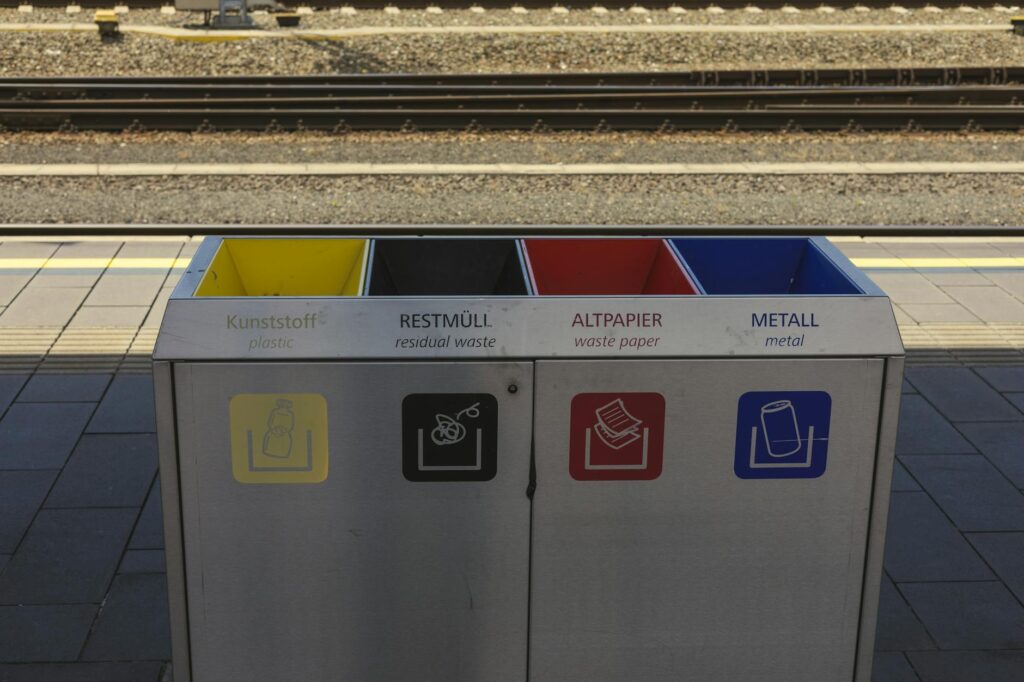
- Master Your Recycling: Know your local council’s rules! What goes in which bin? Are certain plastics accepted? Do you need to rinse containers? Contamination (putting the wrong things in) is a huge problem for recycling plants.
- Compost Food Scraps: A staggering amount of household waste is food. Composting at home (even in a small flat with a wormery) turns this waste into valuable fertiliser for your plants or garden. Many councils also offer food waste collection services.
- Responsible Disposal of Special Items: Don’t just chuck old batteries, WEEE (Waste Electrical and Electronic Equipment), or hazardous chemicals in the general waste. Many retailers offer take-back schemes for electronics, and local recycling centres have dedicated areas for these items.
It sounds like a lot, but start small. Pick one or two habits to focus on. Maybe it’s bringing your own coffee cup every day, or committing to composting your food scraps. Small changes build momentum.
🎬 Related Video
📹 sustainable waste management — Watch on YouTube
Sustainable Waste Management for Businesses in Europe
For businesses, the stakes are even higher. Non-compliance can lead to hefty fines, reputational damage, and lost opportunities. But embracing sustainable waste management can also be a significant competitive advantage. Customers are increasingly choosing brands that demonstrate environmental responsibility.
Key Business Strategies
- Waste Audits: The first step is understanding your waste. Conduct a thorough audit to identify what types of waste you generate, in what quantities, and where it originates from. You’ll highlight areas for improvement.
- Implement the Waste Hierarchy: Actively seek ways to reduce waste generation, find opportunities for reuse and repair, and maximise recycling. Partner with reputable waste management companies that offer complete sorting and recycling services.
- Sustainable Procurement: Choose suppliers who offer products with less packaging, recycled content, or that are designed for durability and repairability.
- Employee Training: Educate your staff on proper waste segregation procedures and the importance of sustainable practices. Engaged employees are Key for successful implementation.
- Circular Economy Business Models: Explore opportunities for product-as-a-service, take-back schemes, or remanufacturing. Think about how your business can participate in closed-loop systems.
Real talk: setting up strong waste management systems isn’t always cheap or easy upfront. But the long-term benefits – cost savings through reduced material use, enhanced brand reputation, and compliance with evolving regulations – are undeniable. Companies like Interface, the carpet tile manufacturer, have made sustainability a core part of their business, demonstrating how it can drive innovation and market leadership.
“The most effective way to manage waste is to not create it in the first place. This requires a fundamental shift in how we design, produce, and consume goods.” – European Environment Agency (paraphrased for illustrative purposes)
Navigating Specific Waste Streams
Different types of waste require different approaches. Let’s look at a couple of common, tricky ones:
Food Waste
Globally, a third of all food produced is wasted. In the EU, food waste accounts for a significant portion of municipal waste. The EU’s Circular Economy Action Plan In particular targets food waste reduction. This means improving supply chain efficiency, standardising date labelling (‘use by’ vs ‘best before’), and encouraging donation of surplus food. For households, it’s about better meal planning, proper storage, and composting. For businesses, it’s about optimising inventory, finding uses for surplus (e.g., animal feed, anaerobic digestion), and donating edible food.
E-Waste
Our reliance on electronics means e-waste is one of the fastest-growing waste streams. The EU’s WEEE Directive aims to increase collection and recycling rates for electrical and electronic equipment. It pushes for eco-design, making devices easier to repair and dismantle, and ensures that hazardous substances are managed safely. Consumers can participate by using designated collection points for old electronics and supporting manufacturers committed to responsible e-waste management.
The Future of Waste Management in Europe
The trajectory is clear: less landfill, more reuse, more sophisticated recycling, and a deeper integration of circular economy principles. Expect to see more regulations around product durability, repairability, and the use of recycled content. Digitalisation will also play a bigger role, with smart bins and tracking systems helping to optimise collection and management. The push for sustainability is relentless, driven by both environmental necessity and economic opportunity.
Honestly, it’s an exciting time to be thinking about waste. It’s moved from being an unpleasant chore to a critical component of a sustainable future. The EU is showing the world what’s possible when policy, innovation, and public awareness align. It’s not perfect, and challenges remain, but the commitment to sustainable waste management is unwavering. It’s about building a Europe that’s cleaner, more resource-efficient, and In the end, more resilient.
So, the next time you’re standing over your bin, remember it’s not just rubbish. It’s a choice. A choice that impacts the planet, the economy, and the future. Making the sustainable choice is key to effective waste management.
Frequently Asked Questions
What are the main goals of sustainable waste management in the EU?
The primary goals are to reduce waste generation, maximise reuse and recycling rates (aiming for 65% by 2035), minimise landfilling, and promote the circular economy. This approach lessens environmental impact and conserves resources for future generations.
How can I reduce my household waste in the UK?
Start by reducing consumption, choosing products with minimal packaging, and saying no to single-use items. Prioritise reusing items and repairing them before discarding. Properly sort your recycling and compost food scraps if possible. Check your local council’s specific guidelines.
what’s Extended Producer Responsibility (EPR)?
EPR is a policy approach where producers are made financially and/or organisationally responsible for the treatment of post-consumer waste from their products. It incentivises them to design products that are more sustainable and easier to recycle.
Is composting effective for sustainable waste management?
Yes, composting is highly effective, especially for food waste and garden waste — which constitute a large portion of household refuse. It diverts waste from landfill, reduces methane emissions, and creates valuable soil-enriching compost.
What happens to waste that can’t be recycled or reused?
Waste that can’t be reduced, reused, or recycled is typically subject to energy recovery through incineration in modern facilities — which can generate electricity. Landfilling is the least preferred option and is increasingly restricted, especially for biodegradable materials, under EU directives.