
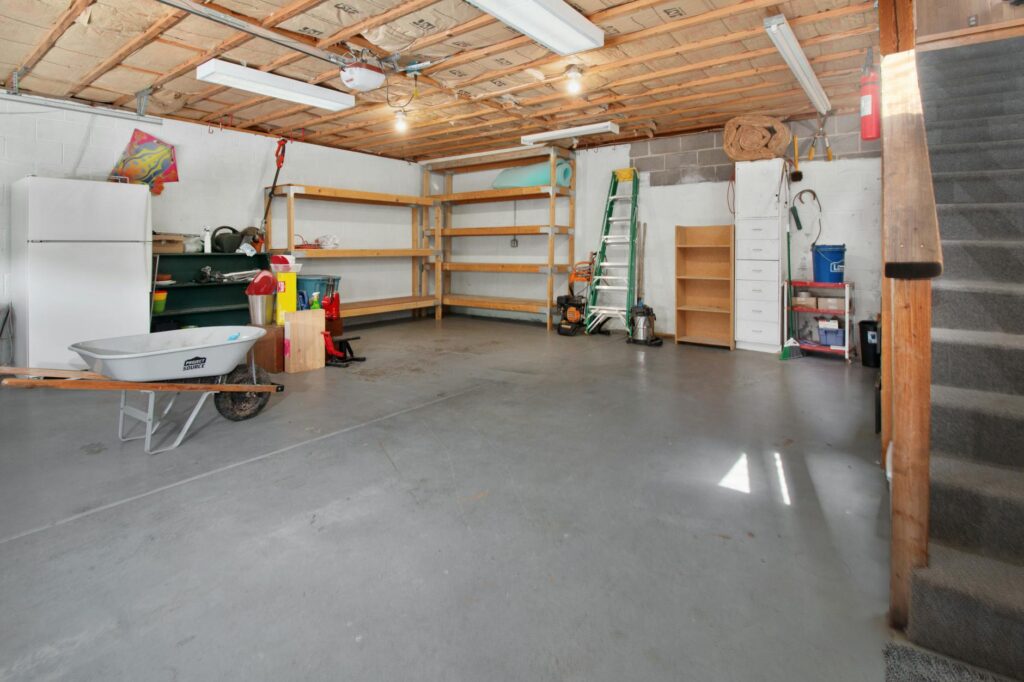
Why Your Basement is Prime Real Estate
It’s a common scenario: you walk into your basement, and it feels less like a functional part of your home and more like a forgotten storage unit. Boxes piled high, forgotten exercise equipment, and the ghosts of hobbies past can quickly turn this valuable space into a chaotic mess. When you’re running out of space at home, reclaiming your basement is often the most efficient and cost-effective solution. It’s estimated that the average American home has 300 square feet of unused or underused basement space, a significant area that could be transformed.
Last updated: April 25, 2026
Is Your Basement a Black Hole for Stuff?
Many homeowners treat their basements as the default dumping ground for anything they don’t have an immediate place for. This ‘out of sight, out of mind’ approach leads to clutter accumulation over time. Without a plan, items are added without any thought to organization or future needs, creating a cycle of disarray. This lack of intentionality is the primary reason basements become unusable.
The Direct Answer to Basement Clutter
To reclaim your basement when you’re running out of space at home, start with a thorough decluttering. Remove everything, sort items into keep, donate, sell, or discard piles, and then implement a strategic organization system for the items you’re keeping. Professional junk removal services like Little Green Junk can be invaluable for hauling away unwanted items efficiently.
Step 1: The Great Basement Purge
The most Key step to reclaiming your basement is a complete and honest purge. Don’t just shuffle things around. Take everything out if possible, or at least create clear zones to work within. This forces you to confront everything you own in that space. Consider the ‘one year rule’: if you haven’t used it in a year (and it’s not a seasonal or sentimental item), it’s likely time to let it go.
Sorting Strategies
- Keep: Items you actively use, need, or have significant sentimental value.
- Donate/Sell: Items in good condition that someone else could use. Look for local charities like Goodwill or consider online marketplaces like Facebook Marketplace or eBay.
- Discard: Items that are broken, stained, or beyond repair.
- Relocate: Items that belong elsewhere in the house.
According to the U.S. Environmental Protection Agency (2023), reducing waste is a key component of sustainable living, and decluttering aligns perfectly with this principle.
Step 2: Smart Storage Solutions
Once you’ve decided what to keep, it’s time for smart storage. The goal isn’t just to store things, but to store them in a way that makes them accessible and keeps your basement looking tidy. Think vertically. Tall shelving units can maximize wall space. Clear, stackable bins are excellent for visibility and protection against moisture — which can be a concern in basements.
Basement Organization Ideas to Consider
- Shelving: Sturdy metal or heavy-duty plastic shelves are ideal for basements. Brands like Rubbermaid offer versatile shelving systems.
- Cabinets: For items you want to keep hidden or protected, consider closed cabinets.
- Wall Hooks: Perfect for tools, bicycles, or sports equipment.
- Under-Stair Storage: If your basement has stairs, the space underneath is often overlooked but can be converted into useful storage with custom drawers or shelving.
When selecting storage solutions, consider the environment. Basements can be prone to dampness. Opt for materials that can withstand moisture, such as plastic, metal, or sealed wood.
Step 3: Dealing with the Discarded
Here’s where professional help can be a major shift. Hauling away large amounts of junk, old furniture, or broken appliances can be a daunting task. Services like Little Green Junk specialize in efficient and responsible removal. They can often take items that regular curbside pickup won’t handle, and they prioritize recycling and donation when possible.
Don’t let the task of clearing out your basement paralyze you. Breaking it down into manageable steps and seeking help for the heavy lifting can make all the difference.
According to USA Today (2023), homeowners often underestimate the volume of unwanted items they accumulate, making professional removal services a popular choice for significant cleanouts.
Step 4: Zoning Your Basement
Once decluttered and organized, think about how you want to use your basement space. Divide it into zones based on function. Common zones include:
- Storage Zone: For seasonal items, bulk purchases, and less frequently accessed belongings.
- Utility Zone: Housing the furnace, water heater, and any laundry facilities. Keep this area clear and accessible.
- Recreation/Living Zone: If space and conditions permit, this could be a playroom, home theater, gym, or extra living area.
- Workshop/Hobby Zone: A dedicated space for DIY projects or hobbies.
Proper zoning makes the space more functional and prevents items from migrating into areas where they don’t belong.
Common Basement Mistakes to Avoid
When trying to reclaim your basement, several common pitfalls can hinder progress. Understanding these can save you time and frustration.
Mistake 1: Not Waterproofing or Addressing Moisture Issues First
Basements are naturally prone to dampness and flooding. Before investing in shelving, flooring, or finishes, ensure your basement is properly waterproofed. Check for cracks in the foundation, ensure proper drainage around your home, and consider a dehumidifier like those from Aprilaire. According to FEMA (2023), taking preventative measures against water damage is Key for home preservation.
Mistake 2: Over-Buying Storage Solutions
It’s tempting to buy lots of storage bins and shelves in one go. However, it’s best to declutter first. Once you know exactly what you’re keeping and how much space you have, you can purchase storage solutions that fit your specific needs. Buying too much can lead to more clutter.
Mistake 3: Storing Items Improperly
Placing cardboard boxes directly on the concrete floor can lead to moisture absorption and potential mold growth. Use shelving or plastic bins to keep items elevated and protected. Avoid storing valuable items, electronics, or important documents in a damp basement environment unless they’re in specialized waterproof containers.
Mistake 4: Not Planning for Lighting
Basements often lack adequate lighting. Poor lighting can make the space feel dingy and unwelcoming, and it makes it harder to find things. Invest in bright, overhead lighting and consider task lighting for specific areas like a workshop.
When to Consider Professional Help
Reclaiming a severely cluttered basement can be overwhelming. If you’re facing mountains of accumulated items, or if the space requires significant cleaning (e.g., mold remediation), professional services are highly recommended. Junk removal companies can clear out large volumes quickly and responsibly. For more extensive transformations, like finishing the basement, consult with contractors specializing in basement renovation. Companies like HomeAdvisor can help you find qualified local professionals.
Frequently Asked Questions
How often should I declutter my basement?
Ideally, conduct a mini-declutter every 6-12 months to prevent major accumulation. A full purge, like the one described, might be needed every 3-5 years, or whenever space becomes a significant issue.
What’s the best way to store seasonal items in the basement?
Use clear, airtight plastic bins. Label them clearly with the contents and the season. Store them on shelves rather than directly on the floor to protect them from moisture and pests.
Can I use my basement as living space?
Yes, with proper planning and execution. Ensure you address moisture issues, install adequate insulation and egress windows, and comply with local building codes for finished basements. Professional consultation is often advised.
What items should I absolutely NOT store in a basement?
Avoid storing irreplaceable photos, important documents, electronics, high-value art, or anything that could be severely damaged by moisture, extreme temperature fluctuations, or pests. Always use protective containers.
How can I make my basement feel less like a basement?
Improve lighting paint walls and ceilings a light color, use rugs to add warmth and color, and incorporate decorative elements. Consider installing drywall and finishes if you’re undertaking a renovation.
Conclusion: Your Basement Awaits Transformation
Running out of space at home doesn’t have to mean costly additions or stressful moves. Your basement holds immense potential. By following a structured approach—purging, organizing with smart storage, responsibly removing unwanted items, and zoning the space—you can transform this often-neglected area into a valuable extension of your home. Don’t let clutter dictate your living space any longer. reclaim your basement and unlock its hidden potential.