
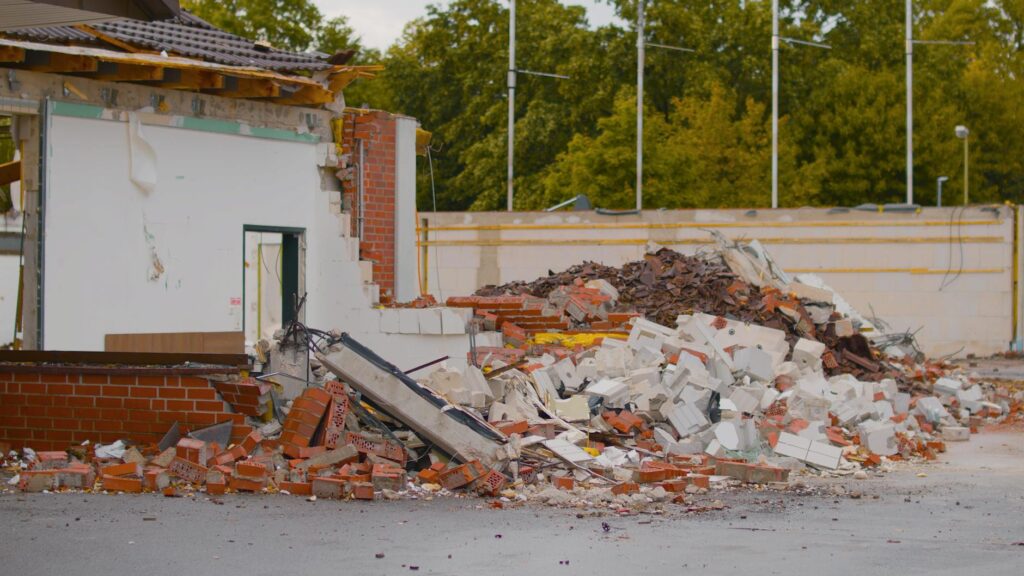
Renovation Waste: Rethink Your Debris Strategy
Renovation waste is a significant challenge, often seen as just ‘trash’. However, this perspective overlooks valuable materials and missed opportunities for cost savings and environmental stewardship. Rethinking how you handle debris can transform your project. For instance, did you know that construction and demolition (C&D) debris accounts for a substantial portion of the waste stream in many developed nations? According to the U.S. Environmental Protection Agency (2023), C&D debris can represent anywhere from 25% to 75% of the total solid waste generated annually.
Last updated: April 25, 2026
Direct Answer: Effectively managing renovation waste involves a proactive strategy that prioritizes reduction, reuse, and recycling before resorting to landfill disposal. This approach not only minimizes environmental impact but can also lead to significant cost savings through material salvaging and reduced disposal fees.
The True Cost of Renovation Waste
Many homeowners and contractors focus solely on the visible costs of a renovation: materials, labor, and permits. The hidden costs associated with renovation waste, however, can be substantial. These include landfill tipping fees, transportation costs for debris removal, potential fines for improper disposal, and the environmental toll of burying valuable resources. When you consider that landfill space is finite and increasingly expensive, the economic argument for better waste management becomes compelling.
Consider a typical kitchen remodel. Beyond the new cabinets, countertops, and appliances, you’ll generate waste from old fixtures, broken tiles, drywall scraps, wood offcuts, and packaging materials. If all of this is simply tossed into a dumpster destined for the landfill, you’re paying to dispose of items that might have resale value or could be repurposed. The EPA estimates that approximately 600 million tons of C&D debris are generated annually in the United States alone. This staggering figure highlights the scale of the problem and the potential for improvement.
Challenging Common Assumptions About Debris
A common assumption is that all demolition debris is worthless. This couldn’t be further from the truth. Many materials removed during renovations—such as intact plumbing fixtures, doors, windows, lumber, and even certain types of flooring—can be salvaged and reused. These items can be sold to salvage yards, donated to non-profits like Habitat for Humanity ReStores, or even incorporated into other projects. This practice not only diverts waste from landfills but also conserves natural resources and reduces the energy needed to produce new materials.
Another mistaken belief is that hiring a full-service junk removal company automatically means the waste will be disposed of responsibly. While reputable companies like Little Green Junk prioritize recycling and responsible disposal, it’s always wise to ask about their waste diversion practices. Do they sort materials? Do they partner with recycling facilities? Transparency is key. For example, some companies offer detailed waste reports, showing you exactly how much of your renovation waste was recycled or diverted from landfills.
Practical Strategies for Reducing Renovation Waste
The most effective approach to renovation waste management begins long before demolition starts. It’s about a conscious effort to reduce the amount of waste generated in the first place.
1. Plan for Waste Reduction
Before the first hammer swings, integrate waste reduction into your renovation plan. This means carefully calculating material needs to avoid over-ordering. If you’re replacing fixtures, consider if they’re still functional. Could they be sold or donated? Think about the types of materials you’ll be using for the new construction. Are there options available made from recycled content? For example, choosing composite decking made from recycled plastic and wood fibers reduces the demand for virgin lumber.
2. Embrace Deconstruction Over Demolition
Where possible, opt for deconstruction rather than brute-force demolition. Deconstruction involves carefully dismantling a building or structure to salvage reusable materials. Here’s especially effective for older homes where materials like hardwood flooring, ornate trim, and solid wood doors might be present. While it can be more labor-intensive, the value of salvaged materials can often offset the extra time and cost. Specialized deconstruction services exist, and even DIYers can approach demolition with a salvaging mindset.
3. Choose Sustainable Materials
When selecting new materials, look for products with high recycled content or those that are themselves recyclable at the end of their lifespan. Bamboo flooring, for instance, is a rapidly renewable resource. Countertops made from recycled glass or paper composites offer an eco-friendly alternative to traditional granite or quartz. According to the World Green Building Council, using materials with lower embodied carbon is Key for reducing the environmental footprint of construction projects.
Maximizing Reuse and Repurposing
Once waste generation is minimized, the next step is to find ways to reuse or repurpose what remains. Here’s where creativity and a willingness to explore unconventional solutions can pay off.
Salvage and Resale
As mentioned, many building components have value. Intact cabinets, sinks, toilets, lighting fixtures, and even old bricks can be sold or donated. Local architectural salvage yards are excellent resources for both selling items you remove and finding unique materials for your project. Online marketplaces like Craigslist or Facebook Marketplace can also be effective platforms for selling salvaged items directly.
Donation to Non-Profits
Organizations like Habitat for Humanity ReStores accept donations of used building materials and home goods. These donations not only divert waste but also fund the organization’s mission to build homes for families in need. This is a fantastic way to give your old renovation materials a second life while contributing to a worthy cause.
Repurposing On-Site
Sometimes, materials can be repurposed within the same project. For example, sturdy timber offcuts might be used for blocking or temporary structures. Clean drywall scraps could potentially be used for patching small holes in other areas, though this requires careful assessment of quality. Even broken tiles, if large enough, might be used in a mosaic project.
The Role of Recycling in Renovation Waste Management
When reduction and reuse aren’t feasible, recycling becomes the next critical step. The goal is to divert as much material as possible from landfills.
Commonly Recyclable Materials
Key materials commonly recycled from renovation projects include:
- Metals (steel, aluminum, copper)
- Wood (untreated lumber)
- Drywall (can be processed into new drywall or used as soil amendment)
- Concrete and asphalt (crushed and reused as aggregate)
- Plastics
- Cardboard and paper packaging
Many recycling centers and specialized C&D waste facilities are equipped to sort and process these materials. Some junk removal services, like Little Green Junk, have established partnerships with these facilities to maximize diversion rates. According to a study by the International Journal of Environmental Science and Technology (2014), the recycling potential for C&D waste is significant, often exceeding 70% with proper sorting and processing.
Challenges in Recycling
Despite the potential, recycling renovation waste isn’t always straightforward. Contamination is a major issue. for instance, drywall mixed with wood or paint can make it difficult or impossible to recycle. Similarly, treated lumber often can’t be recycled with untreated wood. Proper sorting at the source—during deconstruction and demolition—is Key for efficient recycling. This requires clear communication and potentially separate bins for different material types.
When to Call Professional Renovation Waste Removal Services
While DIY efforts are commendable, there are times when professional help is essential or simply more practical. Large-scale renovations, projects involving hazardous materials (like asbestos or lead paint), or situations where you lack the time, equipment, or manpower to manage debris yourself are prime candidates for professional services.
Choosing the Right Service Provider
When selecting a renovation waste removal company, look beyond just price. Inquire about their environmental policies and recycling rates. Do they provide clear documentation of where your waste goes? Are they licensed and insured? Companies that offer detailed waste tracking and actively promote recycling are generally a better choice. Little Green Junk, for example, emphasizes its commitment to diverting as much material as possible from landfills through careful sorting and partnerships with recycling facilities.
Cost-Effectiveness
While it might seem more expensive upfront than renting a dumpster yourself, professional removal can often be more cost-effective. Professionals can handle the loading, sorting, and transportation, saving you time and labor. Also, their expertise in identifying recyclable materials and their established relationships with recycling centers can lead to lower overall disposal costs compared to landfilling everything. A cubic yard of landfill space can cost more than the processing fee at a recycling facility.
Frequently Asked Questions
what’s the biggest challenge with renovation waste?
The biggest challenge is the sheer volume and the prevalence of mixed materials — which makes sorting and recycling difficult and costly. Many homeowners and contractors lack the knowledge or infrastructure to separate waste effectively on-site, leading to more material ending up in landfills.
Can I recycle old bricks and concrete?
Yes, old bricks and concrete can often be recycled. they’re typically crushed and processed into aggregate — which can be used in new construction projects, road building, or landscaping as fill material.
How much does renovation waste removal cost?
Costs vary widely depending on the volume of waste, types of materials, your location, and the service provider. Generally, professional removal services charge based on the volume and weight of the debris. Expect prices to range from a few hundred to over a thousand dollars for large projects, but remember to factor in potential savings from recycling and reduced landfill fees.
What are the most common recyclable renovation materials?
The most common recyclable renovation materials include metals (steel, copper, aluminum), untreated wood, cardboard, drywall, concrete, asphalt, and certain types of plastics. Proper sorting is essential for successful recycling.
Is it better to rent a dumpster or hire a removal service?
Renting a dumpster can be cost-effective for smaller projects if you can manage the loading and sorting yourself. However, for larger projects or if you lack the time and resources, hiring a professional removal service is often more efficient and environmentally responsible, as they handle the entire process and typically have higher diversion rates.
Conclusion: A Greener Renovation Starts with Waste Management
Renovation waste isn’t an unavoidable byproduct of improving your home. it’s an opportunity. By challenging assumptions about debris and adopting a proactive strategy focused on reduction, reuse, and recycling, you can minimize your project’s environmental footprint and often reduce overall costs. Whether you tackle it yourself with careful planning or partner with a responsible junk removal service like Little Green Junk, prioritizing sustainable waste management ensures your renovation benefits your home and the planet.