Demolition & Remodeling Waste Collection: Plan Ahead
Embarking on a demolition or remodeling project, whether it’s a minor kitchen refresh or a major structural overhaul, often excites homeowners with visions of a transformed space. However, amidst the excitement of design choices and new materials, a crucial practical aspect can be easily overlooked: waste collection. Planning some demolition and remodeling doesn’t truly begin until you’ve accounted for the substantial amount of debris generated. Failing to address junk disposal early can lead to costly delays, environmental penalties, and a chaotic worksite. Little Green Junk specializes in providing clear, efficient solutions for these challenges.
Last updated: April 24, 2026
Effective waste management is not merely about clearing space; it’s about ensuring your project adheres to local regulations, minimizes environmental impact, and proceeds smoothly. For instance, according to the U.S. Environmental Protection Agency (EPA) (2023), construction and demolition (C&D) debris constitutes a significant portion of the municipal solid waste stream, highlighting the importance of proper handling.
Why Proactive Waste Collection Planning is Essential
When you’re planning demolition and remodeling, don’t forget the waste collection because it’s intrinsically linked to project timelines and budget. Unexpectedly large volumes of debris can overwhelm on-site storage, halt progress, and necessitate emergency disposal services, which are typically more expensive. A proactive approach allows you to secure the best rates for removal services and ensures that disposal methods comply with environmental standards.
Consider the sheer volume. A typical bathroom remodel can generate anywhere from 500 to 1,000 pounds of debris. A larger project, like a full home renovation, can easily produce tens of thousands of pounds. Without a clear plan, managing this quickly becomes a daunting task.
Understanding Different Types of Construction Waste
Construction and demolition projects produce a diverse range of waste materials. Understanding these categories is the first step in effective waste collection planning.
Non-Hazardous Debris
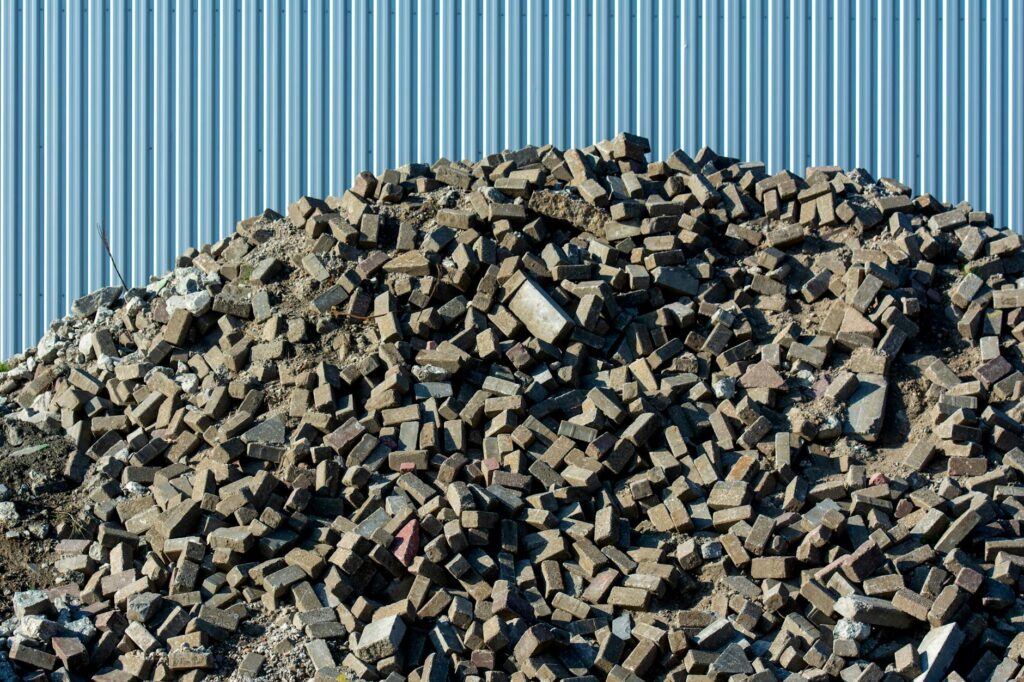
This includes materials like drywall, wood scraps, concrete, asphalt, bricks, and metal. While generally safe, these materials can still be bulky and require specific disposal methods. Many of these items, such as concrete and metal, can often be recycled, diverting them from landfills. According to World Green Building Council (2022), promoting a circular economy in construction is vital for reducing waste.
Hazardous Waste
Certain materials require special handling due to their potential to harm human health or the environment. These can include asbestos-containing materials (ACMs), lead-based paints, treated wood, and certain insulation types. Disposal of hazardous waste is strictly regulated, and improper handling can result in significant fines.
Salvageable Materials
Before demolition begins, identify materials that can be salvaged and reused or donated. This might include antique fixtures, usable lumber, doors, windows, or cabinetry. Donating these items can offer tax benefits and reduces the overall waste stream.
Key Steps in Planning Your Demolition and Remodeling Waste Collection
A well-structured waste management plan is critical for any renovation or demolition project. It should be developed before the first hammer swing.
1. Assess and Estimate Waste Volume
Walk through the project area with your contractor. Based on the scope of work—whether it’s a simple deconstruction or a gut renovation—estimate the types and quantities of waste you anticipate. A professional junk removal service can often provide an initial estimate based on project descriptions.
2. Research Local Disposal Regulations
Different municipalities have varying rules regarding waste disposal, recycling, and landfill acceptance. Some areas require permits for demolition and specific protocols for handling C&D debris. Check with your local building department or environmental agency for compliance requirements. For example, New York City has specific regulations for construction and demolition waste.
3. Determine Your Disposal Method
Several options exist for managing demolition and remodeling waste:
- Roll-off Dumpsters: Ideal for large projects, these containers are delivered to your site and picked up once full. Various sizes are available, from 10 cubic yards to over 40 cubic yards.
- Junk Removal Services: Companies like Little Green Junk offer on-demand removal. Teams arrive, load the debris, and haul it away, often same-day or next-day. This is convenient for smaller projects or when you don’t want to manage a dumpster on your property.
- Haul-Your-Own: For very small amounts of waste, you might consider transporting it to a local transfer station or landfill yourself. This requires a suitable vehicle and knowledge of facility hours and fees.
4. Factor in Costs
The cost of waste removal varies based on the volume and type of waste, the chosen disposal method, landfill fees, and your location. Dumpster rentals are typically priced per week, while junk removal services charge based on the volume of junk removed. Always get detailed quotes and understand what’s included (delivery, pickup, disposal fees, labor).
5. Schedule Waste Removal Strategically
Coordinate waste removal with your project schedule. For demolition, you might need immediate removal after the initial deconstruction. During remodeling, schedule regular pickups to prevent debris from accumulating and becoming a hazard or an eyesore. Don’t wait until the dumpster is overflowing before scheduling a pickup.
The Role of Professional Junk Removal Services
Professional junk removal services, such as Little Green Junk, play a vital role in simplifying the waste collection process for demolition and remodeling projects. These companies are equipped with the necessary vehicles, labor, and expertise to handle various types of debris efficiently and responsibly.
Benefits of Hiring Professionals
- Efficiency: Professionals can clear debris much faster than a homeowner or even a general contractor focused on the build.
- Convenience: They handle all the heavy lifting and transportation, saving you time and physical effort.
- Proper Disposal: Reputable services ensure waste is disposed of in compliance with local regulations, including recycling and responsible landfill practices. Little Green Junk, for example, prioritizes eco-friendly disposal methods.
- Safety: Demolition debris can be heavy and hazardous. Professionals are trained to handle materials safely, minimizing the risk of injury.
- Cost-Effectiveness: While it may seem like an added expense, professional services can often be more cost-effective than managing waste yourself, especially when considering the time saved and potential fines avoided.
Minimizing Waste and Maximizing Recycling
Responsible waste management extends beyond just removal. Focusing on waste reduction and recycling can significantly lessen the environmental footprint of your project.
Source Reduction
Whenever possible, choose materials that generate less waste during installation or that are designed for longevity. Order materials accurately to avoid excess. For example, using pre-fabricated components can sometimes reduce on-site cutting and waste.
Deconstruction Over Demolition
For renovations where parts of the structure are being removed, consider deconstruction rather than outright demolition. Deconstruction involves carefully dismantling a building to salvage reusable materials. This approach is more labor-intensive but yields valuable materials for reuse or resale.
Recycling C&D Materials
Many C&D materials are recyclable. Concrete and asphalt can be crushed and reused as aggregate. Metals are highly recyclable. Wood can sometimes be chipped for mulch or used for biomass fuel. Ask your waste removal provider about their recycling capabilities. Little Green Junk actively seeks recycling options for materials we collect.
Donation
Fixtures, cabinetry, doors, and even lumber in good condition can often be donated to organizations like Habitat for Humanity ReStores. This diverts waste and supports community initiatives.
When to Schedule Your Waste Collection
Timing is crucial. Here’s a general guideline for scheduling waste collection:
- Initial Demolition Phase: Schedule a dumpster or junk removal service to be on-site immediately after the initial demolition phase to haul away the bulk of the structural debris (e.g., drywall, lumber, concrete).
- Mid-Project Check-ins: For longer remodeling projects, schedule smaller, more frequent pickups to manage accumulating waste from ongoing work. This prevents clutter and potential safety hazards.
- Final Cleanup: A final junk removal appointment is essential at the project’s conclusion to remove any remaining scraps, packaging, and construction dust.
Frequently Asked Questions
How much does demolition waste removal cost?
Costs vary widely depending on the volume and type of debris, your location, and the service provider. Dumpster rentals might range from $300 to $800 per week, while professional junk removal services could cost anywhere from $200 for a small load to over $1,000 for extensive debris, based on the HomeAdvisor national average.
Can I put hazardous materials in a dumpster?
No, hazardous materials like asbestos, lead paint, chemicals, and petroleum products generally can’t be placed in standard dumpsters or hauled by typical junk removal services due to strict regulations and safety concerns.
What is the difference between demolition and deconstruction?
Demolition is the process of tearing down a structure quickly, often resulting in mixed debris. Deconstruction is the careful dismantling of a building to salvage reusable and recyclable materials, minimizing waste sent to landfills.
How can I estimate the amount of waste from my remodel?
You can estimate waste by considering the scope of work. For example, estimate how many square feet of flooring will be removed, how many cabinets will be replaced, and how much drywall will come down. Professional contractors and junk removal services can also provide more accurate estimates based on their experience.
What are the environmental benefits of proper waste disposal?
Proper waste disposal reduces landfill burden, conserves natural resources through recycling and reuse, prevents pollution of soil and water from hazardous materials, and lowers greenhouse gas emissions associated with waste decomposition and transportation.
Conclusion
When planning some demolition and remodeling, don’t forget the waste collection. It’s not an afterthought but a fundamental component of a successful, compliant, and environmentally responsible project. By understanding the types of waste, researching local regulations, choosing the right disposal method, and partnering with experienced professionals like Little Green Junk, you can ensure your renovation or demolition project proceeds smoothly from start to finish, leaving you with a beautifully transformed space and peace of mind.