
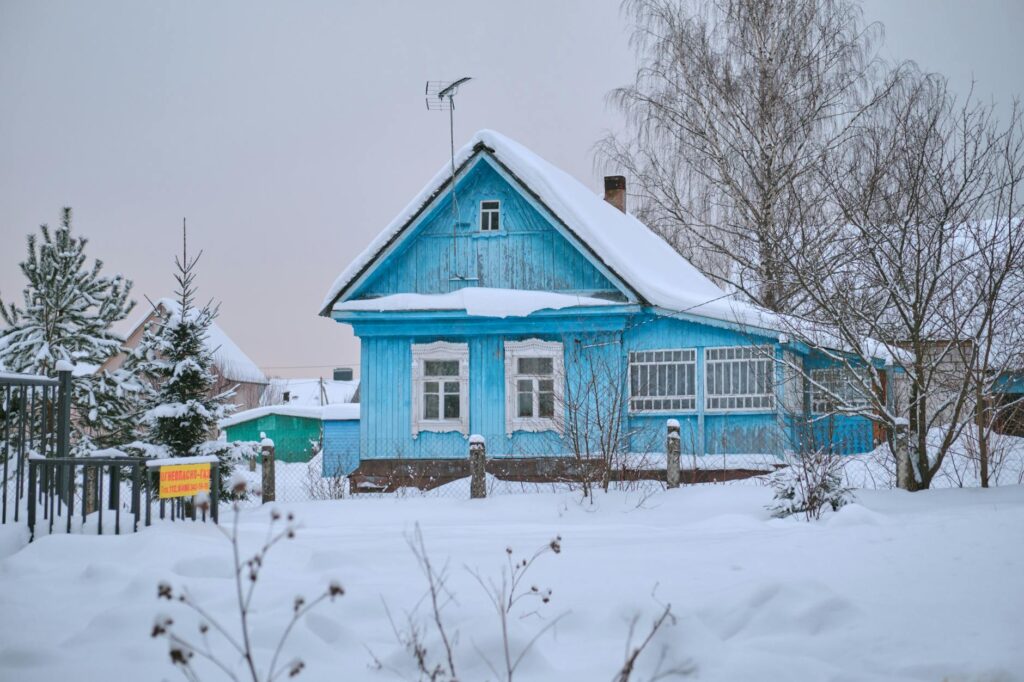
Winterizing Your Home: A Proactive Approach
As autumn leaves give way to crisp air, the urgency to prepare your house and yard for the winter months becomes paramount. Failing to do so can lead to a cascade of problems, from costly water damage caused by frozen pipes to increased heating bills due to drafts. Little Green Junk Removal Service understands that proactive preparation is key to a comfortable and stress-free winter. This guide will walk you through essential steps, ensuring your home and outdoor spaces are resilient against the cold.
Last updated: April 24, 2026
Why Winter Preparation Matters
The primary goal of winter preparation is to prevent damage, maintain comfort, and enhance energy efficiency. According to the U.S. Federal Emergency Management Agency (FEMA) (2023), taking steps to winterize your home can significantly reduce the risk of damage from severe weather events, such as ice storms and heavy snowfalls. This includes protecting your plumbing from freezing, preventing wind and water damage to your roof and windows, and ensuring your heating system is in optimal working condition. Also, a well-prepared home is a more energy-efficient home, leading to substantial savings on utility bills.
Essential Indoor Winterization Tasks
Seal Drafts and Air Leaks
Drafts are silent energy thieves. Identifying and sealing air leaks around windows, doors, electrical outlets, and attic hatches is one of the most cost-effective ways to improve your home’s energy efficiency. You can use caulk for small gaps and weatherstripping for moving parts like doors and windows. A professional energy audit, often recommended by utility companies, can pinpoint hidden leaks you might miss. The U.S. Department of Energy suggests that air sealing alone can reduce heating and cooling costs by 10-20% annually. Consider investing in a thermal leak detector; they’re relatively inexpensive and can highlight areas of significant heat loss.
Protect Your Plumbing
Frozen pipes are a homeowner’s nightmare, potentially bursting and causing extensive water damage. To prevent this, insulate exposed pipes in unheated areas like basements, garages, and crawl spaces. Use foam pipe sleeves or fiberglass insulation. For pipes near exterior walls, consider heat tape or cable. During extremely cold weather, let a trickle of water run from faucets served by vulnerable pipes—moving water is less likely to freeze. Familiarize yourself with the location of your main water shut-off valve in case of a burst pipe.
Check and Maintain Your Heating System
Your home’s heating system works overtime in winter. Ensure it’s serviced by a qualified technician before the cold sets in. A professional tune-up, typically recommended annually by organizations like the Environmental Protection Agency (EPA) (2023), checks for efficiency, safety (especially for gas furnaces regarding carbon monoxide leaks), and identifies potential problems before they become major failures. Clean or replace your furnace filter regularly—ideally monthly—to improve air quality and system efficiency. According to Energy Star, a programmable thermostat can save you up to 10% a year on heating and cooling costs by automatically adjusting the temperature when you’re asleep or away.
Clean Chimneys and Vents
If you use a fireplace or wood-burning stove, ensure the chimney is professionally cleaned and inspected annually. Creosote buildup is a fire hazard. Similarly, ensure all exterior vents for dryers, stoves, and bathrooms are clear of debris and snow to allow proper ventilation and prevent moisture buildup indoors. A professional chimney sweep can cost anywhere from £100 to £250, depending on your location and the complexity of the chimney.
Preparing Your Yard for Winter
Clear Gutters and Downspouts
Clogged gutters are a major culprit of winter water damage. Leaves, twigs, and debris can block water flow, causing it to back up and potentially freeze, widening cracks and damaging the gutter system itself. This backed-up water can also seep into your roofline, walls, and foundation, leading to costly repairs. Aim to clean your gutters at least twice a year, typically in late spring and late autumn. If you have a steep roof or are uncomfortable working at heights, hiring a professional service like Little Green Junk for gutter cleaning is a wise investment. Many services offer seasonal packages that include leaf removal from your lawn as well.
Store Outdoor Furniture and Equipment
Protect your investment in outdoor furniture and equipment by storing them properly for the winter. Clean patio furniture, grills, and garden tools before putting them away. Consider investing in durable covers for items you must leave outdoors. For items like patio cushions and umbrellas, store them in a dry, protected area such as a shed, garage, or even a designated storage bin. This prevents them from being damaged by snow, ice, and moisture, extending their lifespan considerably.
Winterize Your Lawn and Garden
While your lawn may be dormant, a little care can help it survive the winter and thrive in the spring. Remove fallen leaves and debris that can smother grass and encourage fungal diseases. Aerating your lawn before winter can improve air circulation and water penetration. For garden beds, consider adding a layer of mulch—such as wood chips or straw—around plants to insulate their roots from freezing temperatures. This mulch layer acts like a blanket, protecting delicate root systems. Ensure any hoses are disconnected and drained, and consider draining outdoor faucets to prevent freezing.
Manage Yard Debris and Clutter
Winter storms can turn loose debris into dangerous projectiles. Before the first heavy snowfall, take time to clear your yard of anything that could be damaged or become a hazard. This includes fallen branches, toys, garden equipment, and any other clutter. This is where Little Green Junk Removal Service can be invaluable. We specialize in clearing away yard waste, old patio furniture, broken garden tools, and any other unwanted items, ensuring your property is safe and tidy. A thorough yard cleanup before winter prevents potential damage to your home and fences and makes spring cleanup much easier.
The Role of Junk Removal in Winter Preparation
Often, the biggest hurdle to effective winter preparation is accumulated clutter. Old, unused items in the garage, shed, or yard can prevent you from accessing and properly winterizing essential areas. Little Green Junk Removal Service offers a simplifyd solution. By removing unwanted items—whether it’s old furniture, broken appliances, garden waste, or general clutter—we help you reclaim your space and make winterization tasks more manageable. Clearing out your garage, for instance, allows you to properly store seasonal items and protect your vehicles from the elements. A decluttering project before winter can be surprisingly cathartic and significantly improve your home’s readiness.
Seasonal Decluttering: A Smart Move
Think of seasonal decluttering as an essential part of your winterization strategy. As you’re preparing to bring items indoors or store them away, you’ll likely uncover things you no longer need or use. This is the perfect opportunity to have Little Green Junk remove those items. We handle everything from old electronics and broken furniture to construction debris from recent DIY projects. According to Psychology Today (2023), clutter can contribute to stress and anxiety, so clearing it out not only prepares your home physically but also mentally for the quieter winter months.
Frequently Asked Questions
When is the best time to prepare my house and yard for winter?
The ideal time to begin preparing your house and yard for winter is in early to mid-autumn, typically September or October in many temperate climates. This allows ample time to address all necessary tasks before the arrival of freezing temperatures and winter storms, avoiding last-minute rushes.
How can I prevent my outdoor faucets from freezing?
To prevent outdoor faucets from freezing, first disconnect any hoses attached. Then, close the shut-off valve to that specific faucet from inside your home, and open the outdoor faucet to allow any remaining water to drain. You can also purchase faucet covers for added insulation.
What type of mulch is best for winter garden protection?
Commonly recommended mulches for winter garden protection include shredded bark, wood chips, straw, or compost. These materials provide excellent insulation for plant roots, help retain soil moisture, and prevent the freeze-thaw cycles that can damage plants.
How often should I have my chimney inspected and cleaned?
it’s generally recommended to have your chimney inspected and cleaned annually by a certified chimney sweep. This is especially important if you use your fireplace or wood stove regularly, as creosote buildup can pose a significant fire hazard.
Can Little Green Junk Removal Service help with seasonal yard cleanup?
Yes, Little Green Junk Removal Service specializes in clearing away yard waste, fallen branches, old patio furniture, and general clutter from your property. This service is ideal for preparing your yard for winter, ensuring it’s tidy and safe.
Conclusion: Embrace Winter with Confidence
Preparing your house and yard for the winter months is an investment that pays dividends in comfort, safety, and cost savings. By tackling indoor tasks like sealing drafts and insulating pipes, and outdoor chores such as clearing gutters and managing yard debris, you can significantly reduce the risk of winter-related damage and expenses. Don’t let clutter stand in your way; Little Green Junk Removal Service is here to help clear the path, making your winterization efforts more effective and less stressful. Contact us today to schedule your yard cleanup or junk removal service and embrace the winter season with peace of mind.