
Construction Waste Removal: Your Guide to Smarter Disposal
The average construction project, whether a small renovation or a large-scale build, generates a significant amount of waste. In the United States, construction and demolition (C&D) debris accounts for an estimated 600 million tons of waste annually, according to the Environmental Protection Agency (EPA). Properly managing this waste isn’t just about site cleanliness. it’s about regulatory compliance, cost-effectiveness, and environmental stewardship. Little Green Junk is here to help you Handle the complex world of construction waste removal, comparing the most common disposal methods to ensure your project stays on track and stays green.
Last updated: April 24, 2026
Selecting the optimal construction waste removal strategy depends on project size, waste volume, material types, budget, and local regulations. pros and cons of each approach allows you to make an informed decision that benefits both your project and the planet.
Understanding Construction Waste Types
Before diving into removal methods, it’s essential to categorize the waste your project will produce. Construction waste typically falls into several broad categories:
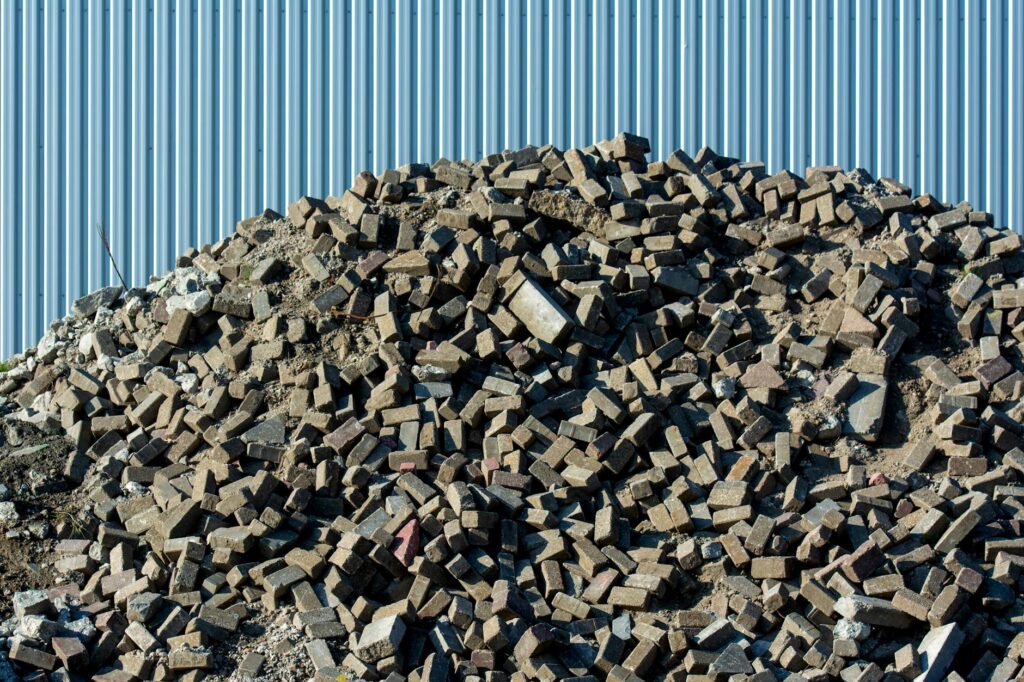
- Inert Debris: This includes materials like concrete, bricks, asphalt, and rock. Here are generally non-combustible and non-reactive.
- Wood Waste: Lumber, plywood, particleboard, and other wood products from framing, demolition, or packaging.
- Metals: Steel rebar, copper pipes, aluminum siding, and other scrap metals. Here are highly recyclable.
- Plastics and Packaging: Insulation, pipes, wiring, packaging materials, and protective coverings.
- Drywall and Plaster: Gypsum board and plaster from walls and ceilings. Drywall can often be recycled.
- Hazardous Waste: Materials such as asbestos, lead paint, solvents, and certain treated woods require special handling and disposal procedures.
Identifying these waste streams early helps in planning for segregation, recycling, and appropriate disposal — which can reduce overall costs and environmental impact.
Option 1: Hiring a Professional Junk Removal Service
For many homeowners and contractors, especially those dealing with smaller to medium-sized projects, hiring a specialized junk removal service like Little Green Junk is the most convenient and efficient solution. These companies are equipped to handle virtually all types of construction debris.
Pros:
- Convenience: You don’t need to lift a finger. Professionals handle all the loading, hauling, and disposal.
- Speed: Junk removal teams can often clear a site much faster than DIY methods.
- Versatility: They can remove mixed debris and often sort materials for recycling or proper disposal.
- Eco-Friendly Disposal: Reputable services prioritize recycling and donation, diverting a significant portion of waste from landfills. Little Green Junk, for example, aims to recycle or donate up to 80% of the waste we collect.
- No Hidden Fees: Pricing is usually based on the volume of waste removed, and you receive a clear quote upfront.
Cons:
- Cost: For very large volumes of debris, it can sometimes be more expensive than other methods.
- Scheduling: You need to book in advance, and availability may vary.
Professional junk removal services are ideal for projects where time is a constraint, the volume of waste is moderate, or when dealing with a mix of materials, including potentially hazardous ones that require specialized knowledge.
Option 2: Renting a Roll-Off Dumpster
Renting a roll-off dumpster is a popular choice for larger construction projects, renovations, or demolition jobs where a substantial amount of waste is expected. Companies like Waste Management or Republic Services offer various dumpster sizes to suit different project needs.
Pros:
- Volume Capacity: Dumpsters come in various sizes (e.g., 10, 20, 30, or 40 cubic yards), allowing you to accommodate large quantities of debris. A 20-yard dumpster can typically hold about 10-12 truckloads of household waste.
- Cost-Effective for Large Projects: When filling a dumpster completely, the per-ton cost can be lower than hiring individual junk removal services for the same volume.
- Flexibility: You have the dumpster on-site for an extended period, allowing you to dispose of waste as it accumulates.
Cons:
- Labor Intensive: You and your team are responsible for filling the dumpster — which requires physical effort and time.
- Site Accessibility: Large dumpsters require adequate space for placement and may not be suitable for tight urban locations.
- Disposal Restrictions: You must adhere to the rental company’s guidelines regarding prohibited items (e.g., hazardous waste, tires). Improper disposal can lead to hefty fines.
- Potential for Overfilling: Exceeding the dumpster’s capacity can result in extra charges or refusal of pickup.
Renting a dumpster is best suited for large-scale renovations, new constructions, or demolition projects where waste generation is high and consistent over a period.
Option 3: DIY Hauling and Disposal
For very small projects with minimal waste, or for individuals who prefer to manage the process themselves, DIY hauling is an option. This involves collecting the debris and transporting it to a local landfill or transfer station yourself.
Pros:
- Potentially Lowest Cost: If you have a suitable vehicle (truck or trailer) and the time, this can be the cheapest option, only incurring landfill tipping fees.
- Complete Control: You manage the schedule and the disposal process entirely.
Cons:
- Time-Consuming: Loading, transporting, and unloading waste takes significant time and physical effort. Multiple trips to the landfill may be necessary.
- Vehicle Requirements: Requires a truck, trailer, or large van capable of handling heavy and bulky materials.
- Landfill Fees: Tipping fees at landfills can add up, especially for heavy materials like concrete or roofing shingles.
- Safety Risks: Improper lifting or handling of heavy debris can lead to injuries.
- Limited Recycling: It’s harder to ensure proper recycling or donation when handling disposal yourself.
- Regulatory Hurdles: you’re responsible for knowing and complying with all local landfill regulations.
DIY hauling is generally only practical for extremely small amounts of waste, such as from a minor bathroom remodel or clearing out a garage. It’s Key to check your local landfill’s acceptance policies and fees before planning this approach.
Option 4: On-Site Sorting and Recycling
Regardless of the primary removal method chosen, implementing an on-site sorting and recycling strategy can dramatically improve the environmental footprint of your construction project. Many municipalities and waste management companies offer resources and programs to facilitate this.
Pros:
- Environmental Benefits: reduces the amount of waste sent to landfills, conserves resources, and lowers carbon emissions associated with manufacturing new materials. According to a report by the EPA (2023), recycling C&D materials can save energy and reduce greenhouse gas emissions.
- Potential Cost Savings: Some recyclable materials (like metals) can be sold, and reduced landfill fees can offset sorting costs.
- Regulatory Compliance: Many areas are implementing or increasing regulations mandating C&D waste diversion.
Cons:
- Requires Planning and Space: Needs dedicated areas on-site for separating different material types.
- Additional Labor: Sorting waste adds labor time and cost.
- Market Fluctuations: The value of recyclable materials can vary.
Developing a complete waste management plan that includes sorting is increasingly becoming a standard practice for responsible construction companies. This often involves designated bins for concrete, metal, wood, and cardboard.
Making the Right Choice for Your Project
When deciding on the best construction waste removal strategy, consider these key factors:
- Project Scale: A small deck demolition versus a full house tear-down requires vastly different approaches.
- Waste Volume: Estimate the total amount of debris to determine the capacity needed.
- Material Types: Are you dealing mostly with concrete, or is it a mix of wood, metal, and drywall? Hazardous materials will require special attention.
- Timeline: How quickly does the waste need to be gone?
- Budget: Compare the upfront costs and potential hidden fees of each option.
- Environmental Goals: How important is recycling and landfill diversion to you or your client?
For most residential renovations and smaller commercial jobs, a professional junk removal service offers the best balance of convenience, efficiency, and responsible disposal. For very large construction sites, a combination of dumpster rental and on-site sorting might be most effective. Always verify the disposal practices of any service provider you consider. look for companies that are transparent about their recycling efforts.
Frequently Asked Questions
what’s the most cost-effective way to remove construction debris?
The most cost-effective method depends heavily on the volume and type of debris. For very small amounts, DIY hauling might be cheapest if you have the necessary equipment and time. For larger projects, dumpster rental can be more economical per ton than hiring a junk removal service, provided you fill it efficiently and avoid extra fees. However, professional junk removal services can sometimes offer competitive pricing, especially when factoring in labor and disposal fees.
How do I dispose of hazardous construction waste?
Hazardous construction waste, such as asbestos, lead-based paint, or certain chemicals, can’t be disposed of with regular trash or in standard landfills. You must contact specialized hazardous waste disposal companies or your local environmental agency for guidance on proper containment, transportation, and disposal procedures. Many professional junk removal services can also assist with identifying and arranging for the safe removal of certain hazardous materials.
Can I put all construction waste in a rented dumpster?
No, you generally can’t put all types of construction waste in a rented dumpster. Most rental companies prohibit hazardous materials, electronics, batteries, tires, and certain other items. It’s Key to review the dumpster rental agreement and the list of prohibited items provided by the company to avoid additional charges or legal issues. Always clarify what can and can’t be placed in the dumpster before filling it.
How much does construction waste removal cost?
Costs vary widely based on location, the amount and type of waste, and the removal method. DIY hauling might cost $50-$200 in fuel and landfill fees for a small load. Dumpster rental typically ranges from $300 to $800 or more for a 2-week rental, depending on size and location. Full-service junk removal can range from $300 to $1,500+, again depending on volume and complexity. Little Green Junk provides upfront, no-obligation quotes based on the volume of waste.
What are the environmental benefits of recycling construction waste?
Recycling construction waste reduces the burden on landfills, conserves natural resources by reusing materials, and lowers the energy consumption and greenhouse gas emissions associated with producing new materials. For example, recycling concrete can save up to 40% of the energy needed to produce virgin aggregate, and recycling metals drastically reduces the energy required compared to mining and processing raw ore.
Conclusion
Efficient and responsible construction waste removal is a critical component of any building or renovation project. Whether you opt for the convenience of a professional junk removal service, the capacity of a dumpster rental, or the hands-on approach of DIY hauling, understanding your options ensures a cleaner, safer, and more sustainable outcome. For most homeowners and many contractors, partnering with a reputable service like Little Green Junk provides a hassle-free solution that prioritizes eco-friendly disposal methods, diverting waste from landfills and contributing to a greener future.
Related read: Reduce Carbon Footprint: Your Personal Impact Guide