
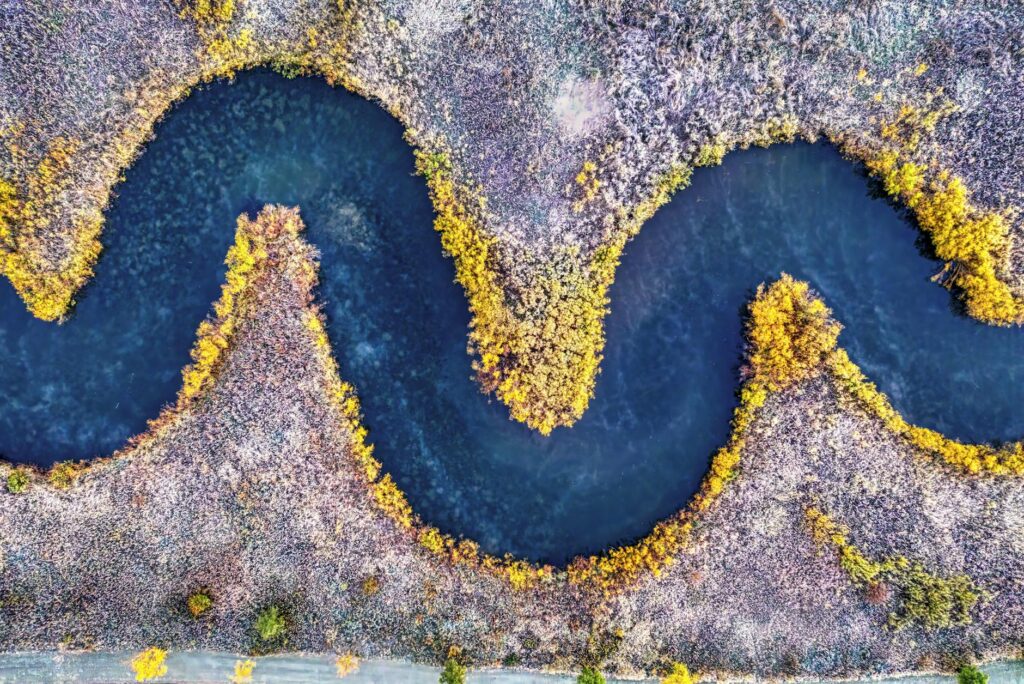
Rio Amarillo Asia: China’s Legendary Yellow River
Rio Amarillo Asia, the historical name for China’s Yellow River, isn’t merely a geographical feature. it’s a foundational element of Chinese identity. Often referred to as the “cradle of Chinese civilization,” its waters have nourished empires, inspired art, and dictated the course of human settlement for over 4,000 years. Yellow River requires delving into its complex history, its dynamic natural processes, and its profound cultural resonance.
Last updated: April 22, 2026
The Yellow River, or Huang He in Mandarin, is approximately 5,464 kilometres (3,395 miles) long, making it the second-longest river in China after the Yangtze. Its journey begins in the Bayan Har Mountains in Qinghai Province and flows through nine provinces before emptying into the Bohai Sea. The river’s distinctive yellow hue comes from the immense quantities of loess sediment it carries from the Loess Plateau.
what’s the Yellow River’s Historical Significance?
The Yellow River is deeply intertwined with the origins of Chinese civilization. Archaeological evidence, such as findings at the Banpo Neolithic village near Xi’an, demonstrates that settled agricultural communities flourished along its banks as early as 6000 BCE. Many of the earliest Chinese dynasties, including the Xia (though its existence is debated), Shang, and Zhou, were established in the Yellow River basin.
According to World History Encyclopedia (2023), the river’s fertile floodplains provided ideal conditions for the cultivation of millet and wheat, essential staples that supported growing populations. This region became the political and cultural heartland of ancient China. The river’s consistent flooding, however, also led to its infamous reputation as “China’s Sorrow,” as devastating floods repeatedly reshaped the landscape and displaced millions throughout history.
The Yellow River’s sediment load is so high that it gives the water a distinct yellow colour, leading to its name and impacting its flow dynamics.
The Yellow River’s Geography and Course
The Yellow River’s geographical journey is as dramatic as its history. It originates at an elevation of about 4,200 meters (13,800 feet) in the Tibetan Plateau’s Bayan Har Mountains. From there, it carves its way through the vast Loess Plateau, picking up its characteristic sediment load. This sediment deposition is so significant that in some lower sections, the riverbed has become elevated above the surrounding land, creating natural levees.
As the river enters the North China Plain, its course becomes more meandering and prone to dramatic shifts. Historically, the Yellow River has changed its course numerous times, sometimes drastically. For instance, in 1194 CE, it shifted its mouth to flow into the Yellow Sea, south of the Shandong Peninsula, a path that would last for centuries. This instability has necessitated monumental engineering efforts over millennia to control its flow and prevent catastrophic floods.
Cultural and Spiritual Importance of the Yellow River
Beyond its historical and geographical roles, the Yellow River holds immense cultural and spiritual significance for the Chinese people. it’s revered as the birthplace of Chinese culture, and its legends and myths are deeply embedded in the national consciousness. The dragon, a powerful symbol in Chinese mythology, is often associated with water and is sometimes depicted as a guardian of rivers, including the Yellow River.
Many important Chinese philosophical traditions and artistic expressions have drawn inspiration from the river. The concept of the “Maternal Civilization” often refers to the Yellow River basin as the origin point for Chinese societal development. Ancient Chinese cosmology and geomancy were heavily influenced by the river’s perceived power and its role in shaping the land. According to UNESCO (n.d.), the river basin is home to numerous historical sites that attest to its enduring cultural legacy.
Challenges and Modern Management of the Yellow River
Managing the Yellow River presents ongoing challenges. The massive sediment load (averaging 1.6 billion tons per year) continues to be a major concern, impacting navigation, flood control, and the river’s ecological health. The river also faces issues of water scarcity due to increased demand from agriculture, industry, and a growing population, especially in its lower reaches.
To address these issues, China has implemented extensive water management projects. The Yellow River Conservancy Commission (YRCC), established in 1950, matters a lot in flood control, water allocation, and sediment management. Projects like the Sanmenxia Dam and the Xiaolangdi Dam were built to regulate water flow, generate hydroelectric power, and mitigate sediment buildup. According to the World Bank (2017), Using the river’s power for sustainable development requires integrated water resource management.
Planning a Visit: Traveling the Yellow River
For travellers interested in experiencing the Yellow River’s majesty firsthand, several key locations offer unique perspectives. Lanzhou, in Gansu Province, is known as the “City on the River” and provides opportunities to see the river’s early course and learn about traditional fishing methods using cormorants.
Further downstream, the Hukou Waterfall is a spectacular sight where the river plunges dramatically into a gorge, creating a thunderous roar and a mist that gives the impression of a boiling cauldron – hence its name. Here’s one of the most visually impressive points along the entire river. The Yellow River Delta — where the river meets the Bohai Sea, is a Key wetland ecosystem and a vital habitat for migratory birds, offering opportunities for nature-focused tourism.
When planning a trip, consider the season. Spring (April-May) and autumn (September-October) generally offer the most pleasant weather. Be aware that the river’s appearance can vary depending on rainfall and water management policies. Booking tours with reputable agencies that specialize in Chinese travel is advisable, especially if you plan to visit more remote areas.
Practical Tips for Yellow River Region
When visiting the Yellow River basin, keep these practical considerations in mind:
- Transportation: Major cities along the river, like Lanzhou and Zhengzhou, are well-connected by high-speed rail and air travel. Local transport options include buses, taxis, and ride-sharing apps.
- Accommodation: Options range from budget guesthouses to luxury hotels in larger cities. Booking in advance is recommended, especially during peak tourist seasons.
- Language: Mandarin Chinese is the official language. While English is spoken in major tourist areas and hotels, learning a few basic Mandarin phrases can greatly enhance your experience. Consider using translation apps like Google Translate.
- Currency: The currency is the Renminbi (RMB), also known as the Yuan. Mobile payment systems like Alipay and WeChat Pay are widely used, but having some cash on hand is still useful.
- Respect Local Culture: Remember that you’re visiting a region steeped in history and tradition. Be mindful of local customs and etiquette, especially when visiting religious sites or interacting with local communities.
Frequently Asked Questions
Why is it called the Yellow River?
it’s called the Yellow River due to the large amount of fine, yellow-coloured loess silt it carries from the Loess Plateau. This sediment gives the water a distinct, muddy yellow appearance, especially in its lower reaches.
Is the Yellow River safe to drink?
No, the Yellow River isn’t safe to drink directly. Its high sediment content, coupled with potential industrial and agricultural pollution, makes its water unsuitable for consumption without extensive treatment.
what’s the most famous landmark on the Yellow River?
The Hukou Waterfall is arguably the most famous and visually dramatic landmark on the Yellow River. it’s the second-largest waterfall in China and offers a spectacular display of the river’s power.
Can you travel the entire length of the Yellow River?
While it’s possible to travel along significant portions of the Yellow River, traversing its entire 5,464-kilometre length is challenging due to varied accessibility, infrastructure, and the river’s dynamic nature. Focus on key accessible sections for a rewarding experience.
What are the main challenges facing the Yellow River today?
The primary challenges include managing its massive sediment load, addressing water scarcity due to high demand, preventing floods, and mitigating pollution from human activities. Balancing development with environmental protection remains a key concern.
Conclusion
Rio Amarillo Asia, the Yellow River, is more than just a waterway. it’s the lifeblood of Chinese civilization and a testament to humanity’s enduring relationship with nature. Its story is one of creation and destruction, of profound cultural development and persistent environmental challenges. Whether you’re a history enthusiast, a cultural explorer, or simply a curious traveler, Yellow River offers invaluable insight into the heart of China.
Editorial Note: This article was researched and written by the Little Green Junk editorial team. We fact-check our content and update it regularly. For questions or corrections, contact us.