
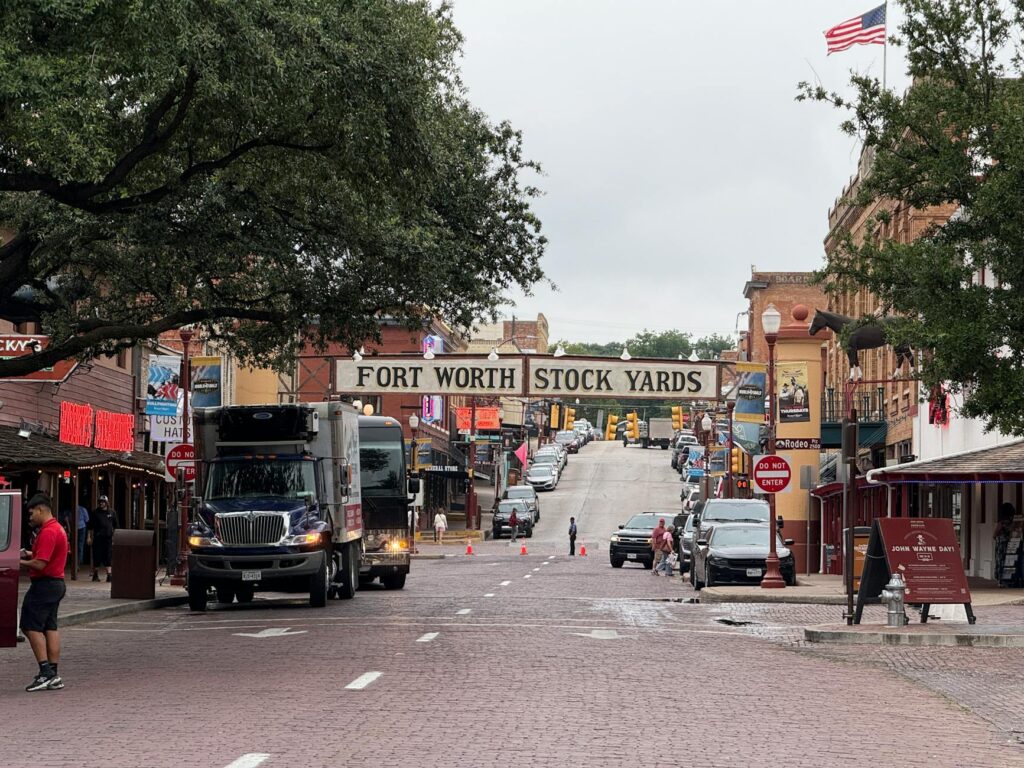
682 Area Code: Navigating Fort Worth’s Dynamic Overlay
The 682 area code is an overlay for the 817 area code, primarily serving Fort Worth, Texas. This means new phone numbers in the region are assigned the 682 code, while existing 817 numbers remain active, requiring 10-digit dialing for all calls. Understanding this overlay is crucial for residents and businesses operating within this dynamic North Texas locale.
Last updated: April 2026
Table of Contents
What is the 682 Area Code?
The 682 area code is a telephone numbering plan code that serves a specific geographic region in Texas. It was introduced as an overlay to the existing 817 area code, meaning it covers the same geographical area but provides an additional pool of phone numbers. This is a common strategy employed by the North American Numbering Plan Administrator (NANPA) to alleviate number exhaustion in densely populated regions.
Essentially, if you receive a phone number with the 682 area code, you are located within the same general vicinity as someone with an 817 area code. The primary difference is the need for 10-digit dialing, which we’ll explore shortly. The 682 area code is not associated with any specific city or town that is not already covered by 817; it’s a supplementary code for the same territory.
Why Did the 682 Area Code Come To Be?
The proliferation of mobile phones, VoIP services, and the sheer growth of the Fort Worth metropolitan area led to a projected depletion of available phone numbers within the 817 area code. To prevent a crisis where new residents and businesses couldn’t obtain local phone numbers, NANPA implemented an overlay. The 682 area code was officially activated on November 14, 2000, as part of this solution.
This overlay strategy is less disruptive than geographic splits, where a portion of an existing area code is given a new code, forcing some people to change their numbers. Overlays allow for continued number availability without forcing existing users to adopt a new area code. The Texas Public Utility Commission (PUC) oversees the implementation and management of such numbering resources within the state.
🎬 Related Video
📹 Interview Training in the DFW area NEW NUMBER 682-715-2300 — Watch on YouTube
How Does the 682 Area Code Overlay Work?
The fundamental principle of an overlay is that the new area code (682) is superimposed onto the existing geographic area of the older code (817). This means both area codes serve the same cities and towns. The primary effect for users is the mandatory implementation of 10-digit dialing for all local and long-distance calls within the 817/682 region. Previously, local calls within the 817 area code could be made by dialing just the 7-digit number.
With the 682 area code in effect, any call made within the overlay region must be dialed using the full 10 digits: Area Code + 7-Digit Number. This applies whether you are calling from an 817 number to another 817 number, a 682 number to another 682 number, or from an 817 number to a 682 number, and vice-versa. This unified dialing plan ensures that the telecommunication network can correctly route calls to the intended number, regardless of which of the two codes it belongs to.
The geographical boundaries of the 682 area code are identical to those of the 817 area code. This includes major cities like Fort Worth, Arlington, Grand Prairie, and many surrounding communities in North Texas. The Texas Department of Information Resources (DIR) manages the state’s telecommunications infrastructure and works with NANPA on these numbering plans.
[IMAGE alt=”Map showing the geographical boundaries of the 682 and 817 area codes covering Fort Worth and surrounding Texas cities” caption=”The 682 area code shares the same geographic footprint as the 817 area code.”]
Navigating 10-Digit Dialing with 682
The most significant practical change for anyone assigned or calling into the 682 area code region is the necessity of 10-digit dialing. This isn’t just for long-distance calls anymore; it’s for all calls. This means you must dial the area code (682 or 817) followed by the 7-digit local number. This change was phased in gradually to allow residents and businesses time to adapt. Initially, there was a permissive dialing period where 7-digit dialing still worked, but this has long since ended.
For individuals, this typically means updating saved contacts in mobile phones and any other devices that automatically dial numbers. Businesses often need to reprogram phone systems, including PBX systems and auto-attendants, to recognize and dial numbers using the full 10 digits. Failure to dial 10 digits will result in a reorder tone or a message indicating the number cannot be completed as dialed.
Consider this: if you’re calling a local pizza place in Fort Worth from your cell phone, you must now dial the area code first. Even if you’re calling your neighbor who also has a local number, the full 10 digits are required. This unified dialing plan is a standard practice across the United States and Canada for overlay areas.
Dialing Comparison: Pre- and Post-Overlay
| Scenario | Pre-Overlay (7-Digit Dialing) | Post-Overlay (10-Digit Dialing) |
|---|---|---|
| Local call within 817 | 7-digit number | 10-digit number (817-XXX-XXXX or 682-XXX-XXXX) |
| Local call within 682 | (Not applicable, 682 didn’t exist) | 10-digit number (682-XXX-XXXX or 817-XXX-XXXX) |
| Call to neighboring area code | 10-digit number (if long distance) | 10-digit number (if long distance) |
Impact on Businesses in the 682 Area Code
For businesses operating within the 682 area code (and its 817 counterpart), the overlay has several implications. Firstly, marketing materials, business cards, and websites must clearly display the full 10-digit phone number. Any omission of the area code can lead to calls not being completed, potentially costing the business customers.
Secondly, businesses that rely on automated dialing systems or have integrated phone services need to ensure their systems are updated to handle 10-digit dialing. This includes CRM software, VoIP services, and any automated customer service lines. Failing to do so can disrupt customer communication and internal operations. Companies like Verizon and AT&T, major service providers in Texas, have detailed guides for businesses on managing number porting and system updates related to overlays.
There’s also a perception aspect. While the 682 area code is a legitimate local code, some consumers might initially associate newer area codes with less established businesses or out-of-state operations if they aren’t familiar with the overlay concept. However, with the 682 area code having been in place for over two decades, this perception is largely diminished. The key is consistent and correct display of the 10-digit number.
The 682 area code was established to provide relief to the 817 area code, which was projected to run out of phone numbers due to rapid population growth and increased demand for phone lines in the Dallas-Fort Worth metroplex. (Source: Texas Public Utility Commission)
Common Misconceptions About 682
One of the most frequent misunderstandings is that the 682 area code signifies a long-distance call or a number that is not local. This is incorrect. As an overlay, 682 covers the exact same geographic area as 817. Therefore, a call from Fort Worth (682) to Arlington (817) is a local call, provided you dial all 10 digits.
Another misconception is that the 682 area code is associated with a specific type of service, such as only mobile phones or VoIP. This is also false. Both 817 and 682 can be assigned to landlines, mobile phones, and business lines by any telecommunications provider operating in the region.
Some might also believe that having a 682 number means their service is more expensive. This is generally not true for standard local calls. The cost of a call is determined by your service plan and the distance and type of call (local vs. long-distance), not solely by the area code itself, especially within an overlay system where both codes are considered local to the same region.
A common mistake people make is continuing to try and dial 7-digit numbers for local calls. This is the most direct way to ensure a call fails. Always remember to dial the full 10 digits for any number within the 817/682 overlay region.
[IMAGE alt=”Person looking confused at a phone, symbolizing confusion about the 682 area code” caption=”Don’t let the 682 area code cause confusion; it’s a local number requiring 10-digit dialing.”]
FAQ About the 682 Area Code
Is the 682 area code a toll-free number?
No, the 682 area code is not a toll-free number. Toll-free numbers typically begin with prefixes like 800, 888, 877, or 866. Area code 682 is a standard geographic area code for the Fort Worth, Texas region.
Do I need to dial 10 digits for calls within the 682 area code?
Yes, you must dial all 10 digits (area code + 7-digit number) for all calls within the 682 and 817 overlay region. This includes calls between numbers with the same area code and calls between 682 and 817 numbers.
Is the 682 area code only for mobile phones?
No, the 682 area code can be assigned to landlines, mobile phones, and business lines. It serves the same geographic area as the 817 area code and is used for all types of telephone service.
Does the 682 area code mean my call is long distance?
Not necessarily. Calls within the 817/682 overlay region are considered local calls, even though 10-digit dialing is required. The cost of the call depends on your specific phone plan, not just the area code.
When was the 682 area code implemented?
The 682 area code was implemented as an overlay to the 817 area code starting on November 14, 2000. It was introduced to ensure a sufficient supply of telephone numbers for the growing population in the Fort Worth metropolitan area.
Next Steps for 682 Area Code Users
If you are a resident or business owner in the Fort Worth metroplex and have a 682 area code, or if you are considering moving to the area, here are some actionable steps. First, ensure all your contact lists—personal, professional, and on any devices—are updated to reflect 10-digit dialing. This includes your smartphone, computer, and any automated systems you use.
For businesses, review your telecommunications infrastructure. Confirm that your phone system, CRM, and any other integrated services correctly handle 10-digit dialing. If you are a service provider, ensure your customers are well-informed about the 10-digit dialing requirement. For anyone receiving a new number, understand that a 682 area code is a standard, local number for the region.
Ultimately, the 682 area code is a testament to the growth and development of North Texas. By understanding its overlay nature and the requirement for 10-digit dialing, residents and businesses can Handle their telecommunications needs effectively. This requires a slight adjustment in dialing habits but ensures the continued availability of phone numbers for everyone in the vibrant Fort Worth area.
The 682 area code, as an overlay to the 817, is a critical component of telecommunication infrastructure in Fort Worth, Texas, ensuring number availability through 10-digit dialing.