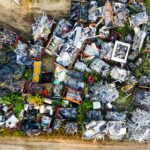

The Growing Problem of E-commerce Returns
The convenience of online shopping is undeniable. With just a few clicks, items arrive at our doorstep, and if they aren’t quite right, returning them is often as simple as printing a label. However, this ease of return comes at a steep environmental cost. As of April 2026, the scale of online shopping returns has reached a point where many are asking: Are online shopping returns creating an environmental disaster?
Last updated: April 27, 2026
- Online shopping returns generate millions of tons of waste annually, much of which ends up in landfills or incinerators.
- The transportation involved in processing returns contributes to carbon emissions.
- Many returned items aren’t resold and are instead discarded due to logistical costs or damage.
- Consumers can mitigate this environmental impact through mindful purchasing and responsible return practices.
- Retailers are exploring innovative solutions, from localized processing centers to resale platforms, to reduce the environmental burden.
The reality is that the booming e-commerce sector, while convenient, has created a significant environmental challenge through its extensive returns process. This growing mountain of returned goods is straining our planet’s resources and contributing to pollution.
The Environmental Footprint of Returned Goods
When you click ‘return’ on an online order, you’re initiating a complex and often resource-intensive process. First, the item is picked up from your home or a drop-off point. It then travels to a return processing facility, often hundreds or even thousands of miles away. Here, it’s inspected, repackaged, and if deemed sellable, sent back to a warehouse, potentially to be shipped out again. If it’s damaged, out of season, or too costly to process, it might be incinerated or sent to a landfill. According to a report by the Environmental Protection Agency (EPA) (2023), the sheer volume of returned goods generates millions of tons of waste each year, with a significant portion of this waste originating from online purchases.
This multi-stage journey for returned items has a substantial carbon footprint. Each transit leg—from consumer to facility, facility to warehouse, and potentially back to the consumer—involves vehicles that emit greenhouse gases. The global logistics network required to manage these reverse flows is immense. Consider that for every three items purchased online, one is typically returned, according to industry estimates. This means for every item successfully delivered, there’s a significant chance a second trip will be needed just to send it back.
Why Are So Many Items Returned?
Several factors contribute to the high rate of online returns. One primary reason is the inability to physically inspect products before purchase. Unlike in a brick-and-mortar store, online shoppers can’t try on clothes, feel the fabric, or assess the true color and size. This leads to more purchases that don’t meet expectations. According to a survey referenced by Reuters (2024), fit and appearance are the leading reasons for clothing returns.
Retailers’ lenient return policies, designed to boost sales and customer confidence, also play a role. Offering free returns and extended return windows makes it easier for consumers to buy items they might be unsure about, knowing they can simply send them back. While this strategy is effective for driving initial sales, it inadvertently encourages a cycle of buying and returning that exacerbates the environmental problem.
Also, the rise of ‘bracketing’—buying multiple sizes or colors of the same item with the intention of returning the ones that don’t fit or aren’t preferred—is a growing concern. This practice, while understandable from a consumer perspective wanting to ensure they get the right item, drastically increases the volume of returned goods and the associated environmental impact. As of April 2026, this consumer behavior is a significant contributor to the return logistics challenge.
The Fate of Returned Goods: More Waste Than You Think
Perhaps the most shocking aspect of online shopping returns is what happens to the items themselves. Not all returned products make it back onto the shelves. Many are damaged during transit or by the consumer. Others are deemed unsellable due to being out of season, having outdated packaging, or simply being too costly to inspect, repackage, and restock. The cost of processing a return can sometimes exceed the item’s value, especially for lower-priced goods.
So, a significant percentage of returned items—some estimates suggest as high as 25% or more, as reported by various industry analyses that can be found via sources like the U.S. Chamber of Commerce—aren’t resold. Instead, they’re liquidated in bulk to discount brokers, donated (often overwhelming local charities), or, in the worst-case scenario, sent directly to landfills or incinerators. This means that a substantial portion of the environmental impact associated with transporting and processing these items is for goods that never get a second life, contributing directly to waste streams.
 ▶
▶
How returning Amazon products could cause an environmental disaster 😱
The Carbon Cost of Returns Logistics
The transportation sector is a major contributor to global greenhouse gas emissions. When you factor in the millions of individual return shipments happening daily—each requiring a truck, plane, or ship—the cumulative effect on carbon emissions is substantial. The U.S. Postal Service, UPS, and FedEx all handle vast volumes of return packages. According to an analysis by the World Wildlife Fund (WWF), the transportation of goods, including returns, accounts for a significant percentage of total emissions. While specific figures for return-only emissions are hard to isolate, the overall impact is undeniable.
The infrastructure required to manage these returns also adds to the environmental burden. Large return processing centers require energy for operation, heating, cooling, and lighting. The materials used for repackaging returned items—boxes, tape, void fill—also contribute to resource depletion and waste generation if not properly managed or recycled.
Are Online Shopping Returns Creating An Environmental Disaster? The Verdict
While the term ‘disaster’ might sound alarmist, the environmental consequences of unchecked online shopping returns are severe and escalating. The sheer volume of waste, the significant carbon emissions from transportation, and the unsustainable consumption patterns encouraged by easy returns paint a concerning picture. If current trends continue without substantial intervention from consumers, retailers, and logistics providers, the environmental strain will only increase. The question isn’t just theoretical. It’s about the tangible impact on landfill capacity, resource depletion, and climate change.
Practical Tips for Consumers: Reducing Your Return Footprint
As consumers, we hold significant power to influence this trend. By adopting more mindful shopping habits, we can collectively reduce the environmental burden of online returns. Here are some practical tips:
- Research Before You Buy: Read product descriptions carefully, check size charts, and look at customer reviews for insights into fit and quality. For clothing, consider brands known for accurate sizing or those offering virtual try-on tools.
- Measure Up: Especially for clothing, furniture, or electronics, take the time to measure your space or yourself to ensure the item will fit correctly.
- Avoid Bracketing: Try to limit purchasing multiple sizes or colors of the same item with the intent to return. If you’re unsure about sizing, consult detailed guides or customer feedback.
- Keep Packaging: If you might need to return an item, keep the original packaging and shipping materials in good condition. This makes the return process smoother and reduces the need for new packaging.
- Choose Slower Shipping: Sometimes, opting for slower shipping methods can reduce the carbon footprint of delivery, and it might align with a more considered purchasing approach.
- Consider Local Options: If possible, prioritize retailers with local brick-and-mortar stores where you can return items, or explore local pickup/delivery options that might have a lower environmental impact.
What Retailers and Brands Are Doing in 2026
Forward-thinking retailers are actively seeking solutions to the returns crisis. Some are investing in technology to improve product visualization online, such as augmented reality (AR) tools that allow customers to see how furniture might look in their home or how clothing might fit. Others are optimizing their logistics to process returns more efficiently and closer to the customer, reducing transportation distances.
Key initiatives include:
- Resale Platforms: Many brands, like Patagonia and Eileen Fisher, have established their own resale programs, giving returned items a second life and recovering value. This promotes a circular economy model.
- Refurbishment Programs: Electronics and appliance retailers are increasingly focused on refurbishing returned items to sell them as certified pre-owned, diverting them from landfill.
- Partnerships with Third-Party Resellers: Some retailers partner with companies like Optoro or Trove to manage their returns, using advanced analytics to determine the best path for each returned item—resale, refurbishment, donation, or recycling.
- Localized Return Centers: Establishing smaller, regional return processing hubs can cut down on the distance items travel, reducing shipping emissions.
- Incentivizing Returns to Store: Encouraging customers to return online purchases to physical stores can consolidate shipments and reduce the need for individual package pickups.
According to a report on the state of e-commerce logistics in 2026, companies are increasingly viewing sustainable returns management not just as an environmental necessity but as a competitive advantage.
Frequently Asked Questions
what’s the biggest environmental impact of online shopping returns?
The biggest environmental impact stems from the transportation required to move returned items multiple times, generating significant carbon emissions. Also, the waste generated from items that can’t be resold contributes heavily to landfill burden.
How much waste do online returns create?
Estimates vary, but it’s in the millions of tons annually worldwide. A substantial percentage of returned items, sometimes over 25%, aren’t resold and are disposed of, adding to this waste stream.
Can I return items without harming the environment?
You can minimize your impact by buying thoughtfully, researching products thoroughly before purchase, avoiding unnecessary returns, and keeping packaging intact. Opting for slower shipping can also help reduce the carbon footprint.
Are retailers doing enough to address the environmental impact of returns?
Many are starting to invest in solutions like resale platforms, refurbishment programs, and optimized logistics. However, the scale of the problem means much more systemic change is needed across the industry.
what’s ‘bracketing’ in online shopping?
Bracketing refers to the practice of buying multiple sizes or colors of the same item with the intention of returning the ones that don’t fit or aren’t preferred. While it ensures customers get the right fit, it increases the volume of returns and their environmental impact.
Conclusion: Towards Sustainable E-commerce
The convenience of online shopping has indeed created a complex environmental challenge with its returns process. Are online shopping returns creating an environmental disaster? The evidence suggests they’re a significant contributing factor, demanding urgent attention. However, it’s not an insurmountable problem. By becoming more conscious consumers, making informed purchasing decisions, and supporting retailers who prioritize sustainability, we can all play a part in mitigating the environmental damage. The future of e-commerce must be one that balances convenience with responsibility, ensuring that our online shopping habits don’t come at the Earth’s expense.