
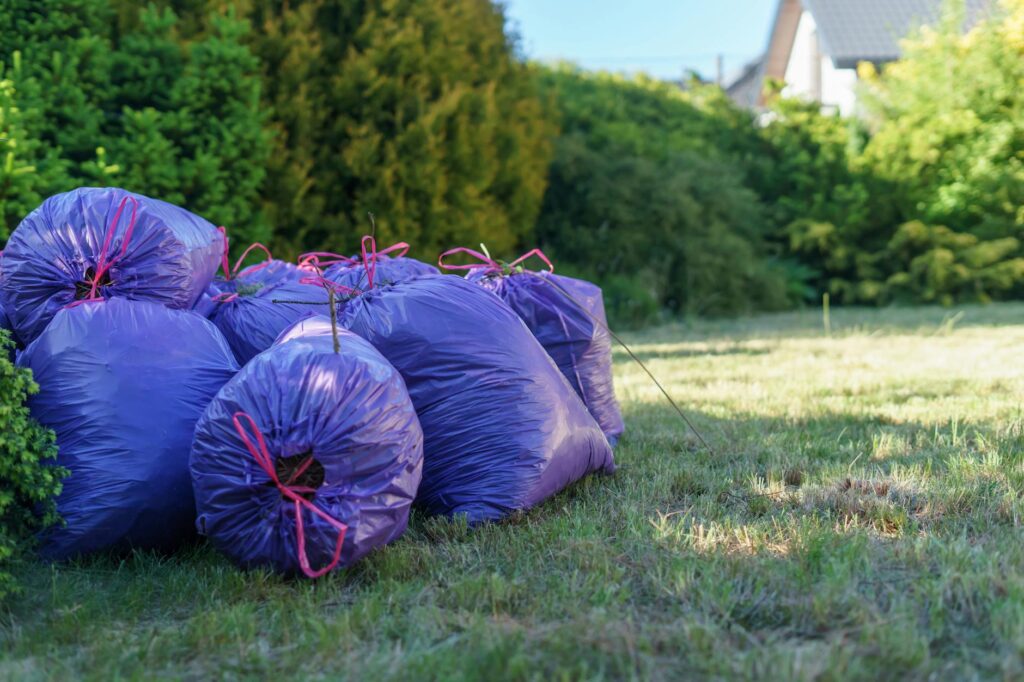
Caring for Your Environment Starts with Garden Waste Removal
The vibrant green of a well-maintained garden brings immense joy, but seasonal changes and regular upkeep inevitably lead to garden waste. Understanding how to manage this debris responsibly is a crucial step in demonstrating that you care about your environment. For homeowners and businesses alike, plant a garden waste removal strategy that prioritizes sustainability is not just an option—it’s a necessity. Little Green Junk is here to guide you through the process, offering practical, cost-effective solutions for all your garden junk removal needs.
Last updated: April 24, 2026
Direct Answer: Yes, managing garden waste properly is vital for environmental health. It reduces landfill burden, prevents soil and water pollution, and promotes biodiversity. Choosing eco-friendly removal services like Little Green Junk ensures your yard’s upkeep contributes positively to your local ecosystem rather than detracting from it.
Why Does Garden Waste Removal Matter?
When you think about your environmental impact, often the focus is on large-scale industrial issues. However, the choices we make in our own backyards have a cumulative effect. Improperly disposed of garden waste can lead to a surprising array of environmental problems. Rotting organic matter in landfills produces methane, a potent greenhouse gas. According to the U.S. Environmental Protection Agency (2023), organic materials are a significant component of municipal solid waste, and their decomposition in landfills contributes to greenhouse gas emissions.
Also, unmanaged garden waste can become a breeding ground for pests and diseases, potentially affecting not only your garden but surrounding areas as well. It can also clog storm drains, leading to localized flooding and water pollution when rain washes debris into waterways. Taking the time for effective garden waste removal prevents these issues, keeping your local environment clean and healthy.
Cost-Effective Strategies for Green Debris
Managing garden waste doesn’t have to break the bank. Several cost-effective strategies exist, depending on the volume and type of waste generated. For smaller amounts of green waste, composting is an excellent option. A simple compost bin can transform yard trimmings, leaves, and vegetable scraps into nutrient-rich soil amendment, saving you money on fertilizers and improving your garden’s health. Many municipalities offer free or low-cost compost bins to residents.
For larger volumes, consider the services offered by companies like Little Green Junk. We provide transparent pricing based on the volume of waste removed, ensuring you only pay for what you need. This can often be more economical than purchasing or renting specialized equipment for disposal, especially for one-off large cleanups. Some local governments also provide yard waste collection services, though these may have specific schedules and limitations on acceptable materials.
When to Call Professionals for Garden Waste Removal
There comes a point when DIY garden waste removal becomes impractical or too time-consuming. This is especially true after major landscaping projects, storm damage, or during seasonal deep cleans. If you’re facing large volumes of branches, soil, weeds, or old garden furniture, professional junk removal services are invaluable. Little Green Junk specializes in removing all types of garden debris efficiently and responsibly.
Our teams are equipped to handle heavy lifting and transport, saving you the physical strain and the hassle of multiple trips to the local dump. We also ensure that materials are disposed of in an environmentally sound manner, often separating recyclables and compostable materials from general waste. This professional approach guarantees that your garden cleanup aligns with your environmental values and local regulations.
Understanding Local Waste Disposal Regulations
Navigating local waste disposal regulations is crucial for proper garden waste management. Many areas have specific rules about how yard waste can be collected and disposed of. For instance, some municipalities prohibit yard waste from being mixed with regular household trash destined for landfills. Others may require yard waste to be bagged in specific biodegradable bags or bundled in a certain way for curbside pickup.
According to the EPA (2022), landfill capacity is a growing concern, making diversion of organic materials increasingly important. Familiarizing yourself with your local sanitation department’s guidelines on yard waste collection, composting programs, and disposal sites will help you avoid fines and ensure your waste is handled appropriately. If unsure, a quick call to your local municipality or consulting their website is the best first step.
The Environmental Benefits of Proper Disposal
Choosing to manage your garden waste responsibly yields significant environmental benefits. Firstly, it diverts organic material from landfills, where it contributes to methane production. When garden waste is composted or mulched, these valuable nutrients are returned to the soil, enhancing its fertility and reducing the need for chemical fertilizers. This practice supports a circular economy within your own property.
Secondly, proper disposal prevents pollutants from leaching into groundwater or surface water. Organic debris decomposing in waterways can deplete oxygen levels, harming aquatic life. By ensuring your green waste is removed and processed correctly, you protect local ecosystems. As noted by UN Environment Programme (2021), reducing methane emissions from landfills is a key strategy in combating climate change. Responsible garden waste management is a tangible way to contribute to this global effort.
Little Green Junk: Your Partner in Sustainable Garden Cleanup
At Little Green Junk, we understand the importance of environmentally conscious waste disposal. We’re not just a junk removal service; we’re your partners in maintaining a beautiful home and a healthy planet. Our commitment extends to sorting and diverting as much garden waste as possible to appropriate recycling and composting facilities. We aim to minimize landfill impact with every job we undertake.
When you book a garden waste removal service with us, you’re choosing a company that prioritizes sustainability. Our uniformed, professional teams handle the heavy lifting, hauling, and responsible disposal, allowing you to enjoy your clean, revitalized outdoor space without the environmental guilt or physical labor. We make it easy and affordable to do the right thing for your environment.
The Role of Mulching and Composting
Mulching and composting are two of the most beneficial practices for managing garden waste directly on-site. Mulching involves spreading a layer of organic material (like wood chips or shredded leaves) around plants. This helps retain soil moisture, suppress weeds, regulate soil temperature, and improve soil structure as it breaks down. It’s a fantastic way to reuse pruned branches and fallen leaves.
Composting takes this a step further by actively breaking down organic matter into a rich soil conditioner. A well-managed compost pile or bin, often using a mix of ‘greens’ (like grass clippings) and ‘browns’ (like dry leaves and small branches), can produce nutrient-dense compost in a matter of months. Organizations like the Royal Horticultural Society (RHS) consistently highlight the benefits of composting for gardeners, promoting it as a cornerstone of sustainable gardening practices.
Frequently Asked Questions
What counts as garden waste?
Garden waste typically includes organic materials generated from your yard and garden. This commonly includes grass clippings, leaves, branches, twigs, hedge trimmings, soil, plants, flowers, and weeds. It generally excludes items like treated lumber, plastic pots, garden furniture, or general household waste.
How can I dispose of large tree branches?
For large tree branches, especially after a storm or significant pruning, professional removal services like Little Green Junk are often the most efficient solution. Alternatively, you can cut them into smaller, manageable pieces for municipal yard waste collection if your local service allows, or rent a wood chipper if you have the capacity and expertise to use one safely.
Is composting suitable for all garden waste?
While composting is excellent for most plant-based garden waste, certain items should be avoided. Diseased plants, weeds that have gone to seed, and pet waste can introduce pathogens or unwanted seeds into your compost. Grass clippings should also be added in moderation to avoid creating a slimy, anaerobic mess.
What are the environmental risks of not removing garden waste?
Improperly managed garden waste can lead to methane gas emissions in landfills, contribute to soil and water pollution, clog storm drains, and provide habitats for pests and diseases. It detracts from the aesthetic appeal of your property and can negatively impact local biodiversity.
How does professional garden waste removal save money?
Professional services save money by eliminating the need to purchase or rent equipment, fuel costs for multiple trips to disposal sites, and the time investment required for manual labor. Little Green Junk’s efficient processes and ability to handle large volumes at once often make it a more cost-effective choice than DIY disposal for significant amounts of debris.
Conclusion: A Greener Tomorrow, Starting Today
Caring about your environment, down to the last leaf and twig, is a powerful statement. By implementing smart garden waste removal strategies, you contribute to a healthier planet and a more beautiful community. Whether through diligent composting, understanding local disposal guidelines, or partnering with eco-conscious services like Little Green Junk, your efforts make a difference. Let us help you manage your garden debris responsibly, affordably, and efficiently, so you can enjoy your green spaces with peace of mind.