
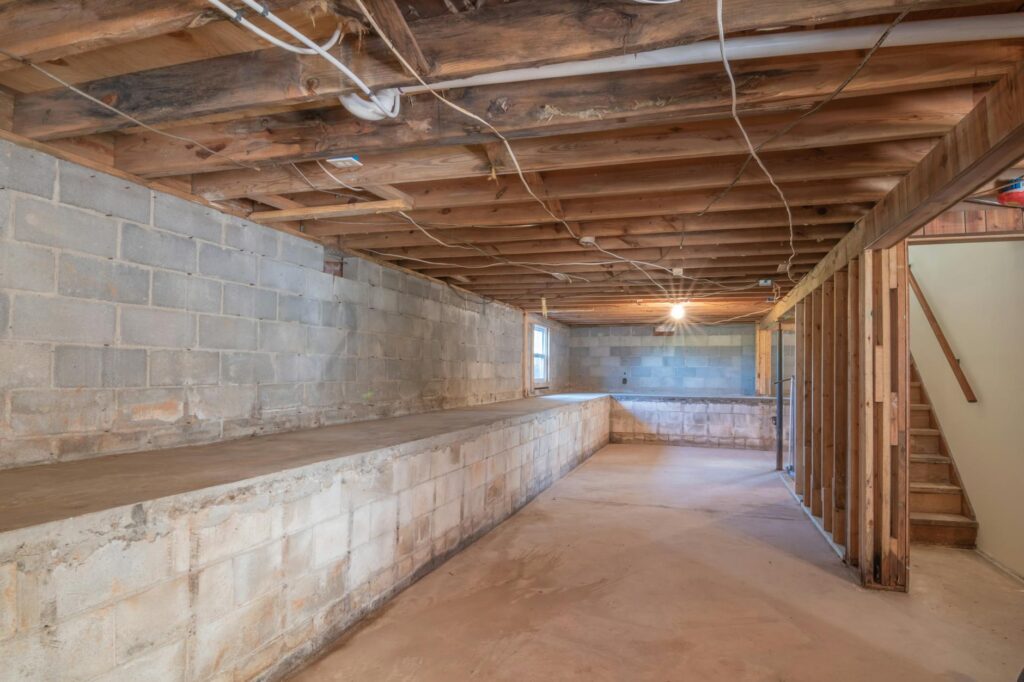
Basement Cleanout: Transforming Clutter into Usable Space
Basements often become the forgotten corners of our homes, accumulating everything from holiday decorations and old sports equipment to items we swear we’ll ‘get around to’ dealing with. According to the National Association of Home Builders (NAHB) (2023), the average size of a new single-family home in the U.S. is around 2,400 square feet, and a significant portion of this space might be dedicated to a basement. However, a cluttered basement can feel more like a burden than an asset. A comprehensive basement cleanout is essential for reclaiming this valuable square footage, improving safety, and preventing potential issues like mold or pest infestations.
Last updated: April 23, 2026
Effectively tackling a basement cleanout involves more than just tossing things into trash bags. It requires a strategic plan that includes sorting, decluttering, organizing, and responsibly disposing of unwanted items. This process can transform a dark, disorganized space into a functional area for storage, hobbies, or even additional living space.
Why is a Basement Cleanout Important?
A clean basement offers numerous benefits. Primarily, it makes the space usable. Instead of navigating piles of forgotten belongings, you can access stored items easily, set up a workshop, or create a recreational area. Also, organizations like the U.S. Environmental Protection Agency (EPA) (Year) highlight the importance of regular home maintenance to prevent issues like mold growth, which can thrive in damp, poorly ventilated areas common in basements. A cleanout allows you to inspect for and address any water damage, pest problems, or structural concerns before they escalate. It also enhances safety by removing tripping hazards and potential fire risks from accumulated debris.
Preparing for Your Basement Cleanout Project
Before you begin hauling items, preparation is key. Gather your supplies: heavy-duty trash bags, sturdy boxes, work gloves (consider nitrile gloves for handling potentially damp or dusty items), a mask (like an N95 respirator) to protect against dust and mold spores, cleaning supplies, and perhaps a dolly or hand truck for heavier items. You’ll also want to designate a sorting area, perhaps in the driveway or yard, where you can categorize items into keep, donate, sell, and discard piles. Plan your disposal strategy: will you be making multiple trips to the dump, renting a dumpster, or hiring a junk removal service like Little Green Junk? Knowing this upfront prevents piles of sorted items from lingering indefinitely.
Step-by-Step Guide to Basement Decluttering
Start by tackling one section of the basement at a time. This makes the task feel less overwhelming. Begin with the easiest areas first to build momentum. As you uncover items, ask yourself key questions:
- When was the last time I used this?
- Do I have a specific need for this item?
- Is this item broken or in disrepair?
- Would someone else benefit from this more than I would?
Be ruthless but realistic. If an item hasn’t been touched in five years or more, it’s a strong candidate for removal. For sentimental items, consider taking a photo before discarding if space is a concern. For items in good condition that you no longer need, set them aside for donation or sale. According to statistics from Statista (2022), charitable donations provide essential support to many non-profit organizations.
Sorting and Categorizing Your Basement Contents
Create distinct zones for your sorted items. A common and effective method is the four-box system: Keep, Donate, Sell, and Discard. For the ‘Keep’ pile, consider how you will organize these items. Use shelving units, clear plastic bins (which allow you to see contents easily), or labeled containers. Group similar items together – all tools in one area, holiday decorations in another, etc. This initial sorting is crucial for understanding what you truly need to store and what can be removed.
For items destined for donation, research local charities or thrift stores that accept them. Organizations like Goodwill or Habitat for Humanity ReStores are common choices. For items to sell, consider platforms like Facebook Marketplace, eBay, or local consignment shops. Be realistic about pricing and the effort involved in selling.
Dealing with Hazardous Materials and Difficult Items
Basements can sometimes harbor hazardous materials. Old paint cans, solvents, cleaning chemicals, batteries, and fluorescent light bulbs require special disposal. Never simply throw these items in your regular trash. Check with your local municipality or waste management authority for specific hazardous waste disposal guidelines. Many communities offer collection events or designated drop-off sites. For example, San Mateo County, California, provides extensive resources on their environmental services website for proper disposal of household hazardous waste (HHW). According to the EPA (Year), improper disposal of HHW can contaminate soil and water.
Heavy or bulky items like old appliances, furniture, or construction debris also pose challenges. These often require specialized removal. Hiring a professional junk removal service can be the most efficient and safest way to handle these items, ensuring they are transported and disposed of or recycled properly.
Organizing Your Newly Cleaned Basement
Once the clutter is gone, the real magic happens: organization. Invest in sturdy shelving units. Adjustable shelves offer flexibility as your storage needs change. Use clear, labeled bins for smaller items to keep them dust-free and easily identifiable. Vertical storage is your best friend in a basement; use wall space as much as possible. Consider pegboards for tools or wall-mounted racks for sports equipment. Ensure good lighting; bright overhead lights can make the space feel more inviting and safer to navigate.
Think about climate control and moisture. Dehumidifiers can prevent mold and mildew, protecting your stored belongings. Proper ventilation is also important. Consider airflow when placing shelves and bins.
When to Call a Professional Junk Removal Service
While a DIY basement cleanout is achievable for many, there are times when professional help is invaluable. If your basement is exceptionally cluttered, filled with heavy items, or contains hazardous materials that you’re unsure how to handle, a service like Little Green Junk can significantly expedite the process. Professionals have the manpower, equipment (like trucks and dollies), and expertise to remove large volumes of junk safely and efficiently. They also ensure responsible disposal, which might include donation or recycling efforts. For instance, a typical junk removal truck can hold the equivalent of about 10-12 cubic yards of debris, meaning a large basement cleanout can often be completed in a single visit.
Consider the time and effort involved in a DIY approach. Renting a dumpster can cost anywhere from $300 to $800 depending on size and location, plus the labor of loading it. Professional services often offer transparent pricing based on volume, potentially making them a cost-effective solution when factoring in your time and disposal fees.
Frequently Asked Questions
How long does a basement cleanout typically take?
The duration of a basement cleanout varies greatly depending on the amount of clutter, the size of the basement, and whether you’re doing it yourself or hiring professionals. A small, moderately cluttered basement might take a weekend for a DIYer, while a heavily packed space could take several days or even weeks. Professional junk removal services can often clear a basement in a single day.
What should I do with items I don’t want but are still usable?
Items in good condition can be donated to local charities, thrift stores, or community organizations. You can also sell them through online marketplaces, consignment shops, or garage sales. Proper donation ensures that usable items find a new home and benefit others.
How can I prevent my basement from becoming cluttered again?
Establish a regular decluttering routine, perhaps annually or semi-annually. Implement a ‘one in, one out’ policy for new purchases. Designate specific storage zones and use clear, labeled containers. Avoid using the basement as a ‘catch-all’ for items you don’t have a place for elsewhere.
What are the biggest challenges of a basement cleanout?
Common challenges include the sheer volume of accumulated items, the presence of heavy or bulky objects, dealing with potential hazards like mold or pests, and the emotional toll of sorting through sentimental belongings. Overcoming these often requires a systematic approach and sometimes professional assistance.
Is it cheaper to do a basement cleanout yourself or hire professionals?
Doing it yourself can be cheaper in terms of direct monetary cost if you have the time and energy, primarily paying for disposal fees. However, hiring professionals can be more cost-effective when considering the value of your time, the efficiency of removal, and the assurance of proper disposal, especially for large amounts of junk or difficult items.
Conclusion: Reclaim Your Basement Space
A basement cleanout is a significant undertaking, but the rewards are substantial. By approaching the task with a clear plan, the right tools, and a willingness to sort decisively, you can transform your basement from a neglected storage space into a valuable, functional area of your home. Whether you choose a DIY approach or enlist the help of professionals like Little Green Junk, the goal is to create a cleaner, safer, and more organized environment. Don’t let clutter control your basement any longer; take the first step towards reclaiming your space today.
Related read: Bulky Waste York PA: What You Need to Know