
Are Persimmons Healthy? The Surprising Truth
Are persimmons healthy? Yes, and they offer a delightful burst of flavor alongside a strong nutritional profile that might surprise you. Far from being just a pretty fall fruit, persimmons are a powerhouse of vitamins, minerals, and antioxidants that can contribute significantly to your health. Forget the notion that they’re just for pies or holiday decorations; these unique fruits are a fantastic addition to a balanced diet, offering benefits from immune support to digestive health. Let’s explore the impressive health credentials of persimmons and why they deserve a spot in your fruit bowl.
Table of Contents
Featured Snippet Answer: Are persimmons healthy? Yes, persimmons are very healthy, boasting significant amounts of Vitamin A, Vitamin C, fiber, and antioxidants like flavonoids. They support immune function, aid digestion, and may contribute to heart health. Their unique nutrient profile makes them a valuable addition to a balanced diet.
What Exactly Are Persimmons?
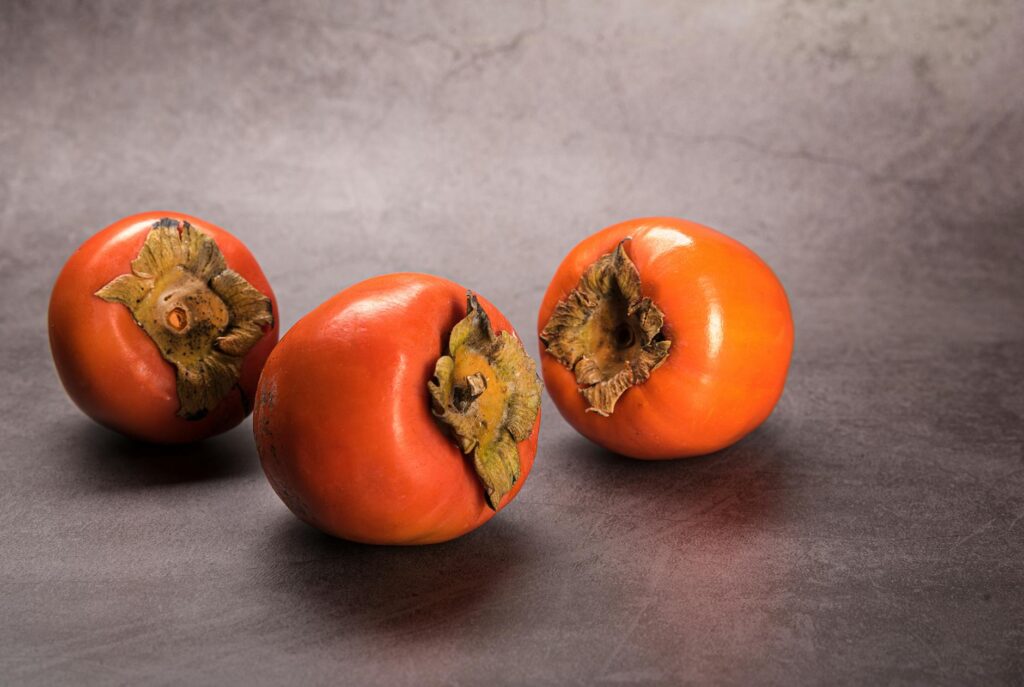
Persimmons are fruits belonging to the genus Diospyros, which is part of the Ebenaceae family. The most commonly cultivated species worldwide is Diospyros kaki, native to China. These fruits are typically orange or red when ripe, with a unique, slightly gelatinous texture and a sweet, honey-like flavor. Their appearance can range from small, plum-sized fruits to larger, tomato-shaped ones, depending on the variety.
The origin of the persimmon fruit can be traced back thousands of years in East Asia. It was introduced to other parts of the world, including California, in the mid-1800s. While they might seem exotic to some, persimmons have a long history of cultivation and consumption, particularly in East Asian cuisines. Their distinctive appearance and taste set them apart from more common fruits like apples or oranges.
[IMAGE alt=”Variety of persimmon fruits on a wooden table” caption=”A colorful display of various persimmon fruits, showcasing their different shapes and sizes.”]
Are Persimmons Rich in Nutrients?
Yes, persimmons are remarkably rich in nutrients, making them a healthy choice. A single medium-sized persimmon (about 168 grams) provides a substantial amount of your daily recommended intake for several key vitamins and minerals. They are particularly noted for their high content of Vitamin A and Vitamin C, crucial for immune function and skin health.
Beyond these primary vitamins, persimmons also offer a good source of dietary fiber, which is essential for digestive health. They contain important minerals like manganese and potassium, contributing to bone health and blood pressure regulation, respectively. Also, persimmons are packed with beneficial plant compounds, including various antioxidants like flavonoids and carotenoids, which help combat cellular damage.
🎬 Related Video
📹 are persimmons — Watch on YouTube
What Are the Key Health Benefits of Persimmons?
The impressive nutritional profile of persimmons translates into several significant health benefits. Their high antioxidant content is perhaps their most celebrated asset, helping to neutralize harmful free radicals in the body. This antioxidant action can play a role in reducing the risk of chronic diseases, including certain cancers and heart conditions.
The fiber content in persimmons is another major win for your health. Dietary fiber aids in regulating blood sugar levels, promotes a feeling of fullness which can assist with weight management, and is vital for a healthy digestive system. It helps prevent constipation and supports a balanced gut microbiome. The vitamins C and A found in persimmons also bolster the immune system, making your body more resilient against infections.
Additionally, persimmons contain compounds like lutien and zeaxanthin, which are beneficial for eye health. These carotenoids accumulate in the retina and can help protect against age-related macular degeneration. The potassium content also contributes to cardiovascular health by helping to manage blood pressure.
The antioxidant capacity of persimmons, primarily from tannins, flavonoids, and carotenoids, is substantial, contributing to their disease-fighting potential. (Source: USDA FoodData Central)
Are All Persimmons the Same? Types and Differences
No, not all persimmons are the same, and understanding the types is crucial for enjoying them. The primary distinction lies between ‘astringent’ and ‘non-astringent’ varieties. This difference dictates when and how you can eat them.
Astringent persimmons, like the popular Hachiya variety, contain high levels of tannins when unripe. This makes them unpalatable, tasting very bitter and chalky. They must be eaten only when they are completely soft and jelly-like, almost to the point of being overripe. Non-astringent persimmons, such as the Fuyu type, have significantly lower tannin levels. This means they can be eaten while still firm, much like an apple, and are less likely to cause that puckering sensation.
The Fuyu persimmon is often described as having a sweet, mild flavor with a crisp texture when firm. The Hachiya, on the other hand, develops a rich, custard-like sweetness and a very soft texture when fully ripe. There are many other varieties, but these two represent the most common categories encountered in Western markets.
Here’s a quick comparison of the most common types:
| Feature | Fuyu Persimmon | Hachiya Persimmon |
|---|---|---|
| Astringency | Non-astringent | Astringent |
| Texture (when edible) | Crisp to slightly soft | Jelly-like, very soft |
| Shape | Squat, tomato-like | Acorn-shaped |
| Best Use | Eaten raw, sliced | Eaten raw when very ripe, baked goods |
| Flavor | Mildly sweet, crisp | Rich, honey-sweet, custardy |
How to Choose and Prepare Persimmons
Choosing the right persimmon depends on the variety. For Fuyu (non-astringent) persimmons, look for fruits that are firm, plump, and have a bright orange color. They should yield slightly to gentle pressure but not be mushy. Avoid any with bruises, soft spots, or blemishes.
For Hachiya (astringent) persimmons, the rule is the softer, the better. They should feel very soft and almost squishy when gently squeezed. If a Hachiya feels firm, it’s not yet ripe and will be inedible. It’s best to buy them when they are already very soft or allow them to ripen at home at room temperature.
Preparing persimmons is straightforward. Fuyu persimmons can be washed, the stem removed, and then sliced or diced. You can eat them as is, add them to salads, or use them in fruit platters. Hachiya persimmons are best scooped out of their skin with a spoon once they’ve reached that jelly-like state. They can be eaten plain or mixed into yogurt, oatmeal, or used in baking recipes like breads and cakes.
[IMAGE alt=”Sliced fuyu persimmon showing star pattern” caption=”A Fuyu persimmon sliced horizontally to reveal its characteristic star shape.”]
Common Misconceptions About Eating Persimmons
One of the most persistent misconceptions is that all persimmons are inherently astringent and difficult to eat. As we’ve discussed, this is only true for specific varieties like Hachiya when they are not fully ripe. The widespread availability of non-astringent types like Fuyu means that for most people, persimmons are a delicious and easy-to-eat fruit right out of hand.
Another common mistake people make is trying to eat an unripe astringent persimmon. This leads to a profoundly unpleasant, puckering sensation that can linger. This experience can deter people from trying persimmons again, which is a shame because a ripe Hachiya is incredibly sweet and delicious. Patience is key with these varieties.
Some may also believe persimmons are only available during a very short window in late fall. While their peak season is indeed autumn, their availability can extend into early winter in many regions, and they are often stored well. You can find them from roughly September through December in most markets.
I recall my first experience with a Hachiya persimmon; I was given one that was still quite firm, and the taste was so intensely bitter it put me off them for years. It wasn’t until I tried a properly ripened Hachiya, which was almost liquid with sweetness, that I understood their true appeal. This experience taught me the critical difference ripeness makes.
- Excellent source of Vitamin A and C for immune health.
- High in dietary fiber, promoting digestive wellness.
- Rich in antioxidants that combat cellular damage.
- Contains nutrients beneficial for eye and heart health.
- Unique sweet flavor and versatile texture.
- Astringent varieties must be fully ripe to be palatable.
- Can be difficult to find outside of peak season.
- High fiber content may cause digestive upset in some if consumed in very large quantities.
Frequently Asked Questions
Are persimmons safe to eat daily?
Yes, persimmons are generally safe and healthy to eat daily in moderation as part of a balanced diet. Their rich nutrient profile offers consistent benefits. However, like any food, consuming excessive amounts might lead to digestive discomfort due to their high fiber content.
Can you eat the skin of a persimmon?
For non-astringent varieties like Fuyu, the skin is edible and can be eaten after washing. It contains fiber and nutrients. For astringent varieties like Hachiya, the skin is typically not eaten, as it can be tougher and contain tannins, and the fruit is usually scooped out.
Are persimmons good for weight loss?
Persimmons can be a beneficial fruit for weight loss due to their high fiber content, which promotes satiety and helps you feel full longer. They are also relatively low in calories compared to many other snacks, making them a healthy, satisfying choice.
What happens if you eat an unripe astringent persimmon?
Eating an unripe astringent persimmon, such as a Hachiya, can cause a very unpleasant, chalky, and bitter taste due to high tannin content. This can lead to a puckering sensation in the mouth and potential digestive discomfort for some individuals.
Are persimmons a good source of Vitamin C?
Yes, persimmons are a good source of Vitamin C. A single medium persimmon can provide a significant portion of your daily recommended intake, which is crucial for immune system support, skin health, and acting as an antioxidant.
Enjoying the Healthy Benefits of Persimmons
So, are persimmons healthy? The answer is a resounding yes. They are a nutrient-dense fruit offering a wealth of vitamins, minerals, fiber, and antioxidants that support your overall health. From boosting your immune system to aiding digestion and protecting your eyes, persimmons are a truly beneficial addition to any diet. Remember to choose the right variety and ensure astringent types are perfectly ripe for the best experience. Incorporate them into your meals and snacks to reap their unique health rewards.