
Is Packaging Waste Management a Growing Concern in 2026?
The sheer volume of packaging generated daily presents a persistent challenge for waste management systems worldwide. From online shopping to grocery runs, we’re constantly interacting with products encased in various materials. This constant influx of packaging contributes to landfills and environmental pollution, making it Key for individuals and businesses alike to explore effective strategies for reduction. As of April 2026, the urgency to address this issue has only intensified, driven by growing environmental awareness and the increasing strain on waste processing infrastructure. Understanding how we can cut down on packaging waste isn’t just about being ‘green’. It’s about smart resource management and economic sensibility.
Last updated: April 27, 2026
- Prioritizing reusable alternatives over single-use packaging is a cornerstone of effective waste reduction.
- Buying in bulk and choosing products with minimal packaging cuts down on waste generated.
- Supporting brands committed to sustainable packaging practices encourages wider industry change.
- Advocating for better recycling infrastructure and policies can amplify individual reduction efforts.
The question of whether there are ways we can cut down on packaging waste is met with a resounding ‘yes.’ The most impactful approach involves a multi-pronged strategy focusing on reduction at the source, embracing reusable options, and making informed consumer choices.
The Power of Reduction: Source Control is Key
The most effective way to manage packaging waste is to prevent it from being created in the first place. This principle, known as source reduction, is fundamental to sustainable waste management. It means consciously choosing products and behaviors that generate less waste from the outset.
Embrace Reusables
One of the simplest yet most powerful ways to cut down on packaging is to consistently opt for reusable items. Think about your daily routine: instead of disposable coffee cups, use a durable travel mug. For grocery shopping, bring your own reusable bags – many supermarkets now offer sturdy canvas or recycled material options. Beyond bags, consider investing in reusable produce bags for fruits and vegetables, eliminating those flimsy plastic ones. For lunches, bento boxes and stainless steel containers replace single-use plastic wrap and sandwich bags.
This shift towards reusables extends to everyday purchases. Many stores now offer bulk bins where you can fill your own containers for dry goods like grains, nuts, and pasta. This not only cuts down on packaging but can also be more cost-effective. According to the U.S. Environmental Protection Agency (EPA) (2023), reducing waste at the source is the most preferred method of waste management.
Choose Minimalist Packaging
When shopping, actively look for products that use minimal packaging. This often means opting for items sold loose, wrapped in paper or cardboard, or those with designs that prioritize functionality over excessive adornment. Online retailers often offer choices at checkout to consolidate shipments, reducing the number of boxes and packing materials used. Some innovative companies are even experimenting with edible or compostable packaging materials, though widespread adoption is still developing.
Consider the packaging of electronics and other durable goods. While some protection is necessary, excessive plastic inserts and multiple layers of cardboard can often be reduced. Companies like Apple have made strides in reducing plastic packaging in their products, opting for more recyclable materials and simpler designs. This demonstrates that it’s possible for major manufacturers to innovate in this space.
Smart Shopping Habits for Reduced Packaging
Our purchasing decisions have a direct impact on the amount of packaging waste we generate. By adopting a few smart shopping habits, we can reduce our packaging footprint.
Buy in Bulk
As mentioned, buying in bulk is an excellent strategy. When you purchase larger quantities of items like rice, beans, cleaning supplies, or even toiletries from bulk bins or larger containers, you reduce the amount of individual packaging per unit of product. Here’s especially effective for items you use regularly. For instance, a large laundry detergent jug uses less packaging per wash cycle than multiple small bottles.
Opt for Concentrates and Refills
Many products, from cleaning solutions to personal care items, are now available in concentrated forms or as refill options. Buying a concentrated cleaner means you’re primarily purchasing the active ingredients, and you can dilute it yourself using water in a reusable spray bottle. Similarly, refill stations for soaps, detergents, and even some food items cut down on the need for new primary packaging.
Support Sustainable Brands
Vote with your wallet by supporting companies that demonstrate a commitment to sustainable packaging. This includes brands that use recycled materials, offer refillable options, use plastic-free packaging, or have take-back programs for their packaging. Researching brands and their environmental policies can help you make informed choices. Organizations like the Packaging Digest often highlight companies leading the way in sustainable packaging innovation.
The Role of Recycling and Disposal
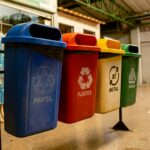
While reduction and reuse are really important, proper recycling and disposal remain critical components of waste management. Understanding what can and can’t be recycled in your local area is essential.
Know Your Local Recycling Rules
Recycling guidelines vary by municipality. what’s accepted in one town might not be in another. As of April 2026, many areas are improving their recycling capabilities, but contamination remains a major issue. Contamination occurs when non-recyclable items are placed in recycling bins, potentially ruining entire batches of recyclables. Always check your local waste management provider’s website or guidelines for the most up-to-date information on what materials they accept. Generally, clean paper, cardboard, certain plastics (look for the chasing arrows symbol with a number), glass, and metal cans are commonly recyclable.
Proper Disposal of Non-Recyclables
For packaging that can’t be reused or recycled, proper disposal is necessary. This typically means placing it in your regular trash bin. Avoid ‘wish-cycling’ – putting items in the recycling bin hoping they’ll be recycled. This often does more harm than good. If you generate a significant amount of waste, especially bulky items or specialized materials, consider professional waste removal services like Little Green Junk — which can ensure responsible disposal and recycling where possible.

Innovative Solutions and Future Trends
The world of packaging waste management is constantly evolving. Several innovative solutions are emerging that promise to further reduce our reliance on traditional, problematic packaging.
Compostable and Biodegradable Materials
While not a perfect solution (as composting facilities aren’t universally available), compostable and biodegradable packaging offers an alternative to conventional plastics for certain applications. These materials are designed to break down naturally under specific conditions. remember the difference: ‘biodegradable’ means it can break down, while ‘compostable’ means it breaks down into nutrient-rich compost under specific composting conditions. Always check if your local facilities can process these materials.
Smart Packaging and Circular Economy Models
The concept of a circular economy — where materials are kept in use for as long as possible, is gaining traction. This involves designing products and packaging for durability, reuse, repair, and eventual recycling. Smart packaging can incorporate features that facilitate reuse, such as durable designs or integrated tracking systems for returnable containers. According to the Ellen MacArthur Foundation, a global leader in promoting the circular economy, rethinking packaging design is Key to eliminating waste.
Practical Tips for Consumers and Businesses
Implementing these strategies requires a conscious effort. Here are some actionable tips:
- For Consumers: Always carry a reusable bag and water bottle. Opt for loose produce. Buy in bulk when possible. Choose products with minimal or sustainable packaging. Repair items instead of replacing them.
- For Businesses: Evaluate your supply chain for packaging reduction opportunities. Offer reusable or refillable options to customers. Invest in packaging made from recycled or sustainably sourced materials. Work with waste management professionals to optimize disposal and recycling.
Frequently Asked Questions
what’s the single most effective way to reduce packaging waste?
The single most effective way to reduce packaging waste is to prioritize reusable alternatives over single-use items whenever possible, from grocery bags and coffee cups to food containers and water bottles.
Are biodegradable packaging options always better?
Biodegradable packaging isn’t always better. Its environmental benefit depends heavily on whether it can actually break down in the intended environment (e.g., industrial composting facilities). Compostable packaging is often a more reliable choice if proper composting infrastructure is available.
How can I reduce packaging waste from online shopping?
To reduce packaging waste from online shopping, opt for consolidated shipping when available, choose retailers with sustainable packaging policies, and request minimal packaging if the option is presented at checkout.
What role do governments play in reducing packaging waste?
Governments play a Key role by implementing policies such as extended producer responsibility (EPR) schemes, setting packaging standards, investing in recycling infrastructure, and public awareness campaigns.
Can small changes in my daily habits make a difference in packaging waste?
Yes, small, consistent changes in daily habits, like always bringing reusable bags or choosing unpackaged goods, collectively have a real effect on reducing overall packaging waste and driving demand for sustainable options.
Conclusion: A Collective Effort for a Greener Future
Addressing packaging waste is a shared responsibility. While the challenges are significant, the solutions are accessible and increasingly practical. By embracing reduction, prioritizing reusables, making informed consumer choices, and supporting sustainable business practices, we can collectively cut down on the packaging waste that burdens our planet. As we move further into 2026, let’s commit to these smarter habits for a cleaner, healthier environment. Little Green Junk is here to support your efforts by providing efficient and responsible waste removal services, helping you manage any unavoidable waste responsibly.