As of April 2026, the escalating volume of waste generated globally presents a significant challenge. The way we handle our discarded items directly impacts our environment, public health, and the sustainability of our communities. Regular waste removal isn’t just about keeping our homes tidy. It’s a Key component of a functioning society. Coupled with the necessity of recycling, these practices form the bedrock of responsible resource management. Little Green Junk is committed to providing efficient junk removal services that align with these vital principles.
Last updated: April 27, 2026
- Regular waste removal prevents health hazards and pest infestations by keeping environments clean and sanitary.
- Effective recycling diverts materials from landfills, conserving natural resources and reducing pollution associated with extraction and manufacturing.
- Implementing a combined strategy of proper disposal and strong recycling efforts contributes to a circular economy and a healthier planet by 2026.
- Professional junk removal services offer a convenient and environmentally conscious solution for disposing of large or specialized waste items.
When waste accumulates, it quickly becomes more than just an eyesore. Unmanaged refuse can attract pests, breed bacteria, and release harmful gases, posing serious health risks. Also, overflowing bins and discarded items clutter public spaces, diminishing community aesthetics and potentially creating safety hazards. This article delves into why consistent waste management and dedicated recycling efforts are more important than ever in 2026.
The Direct Impact of Unmanaged Waste
Accumulated waste creates a breeding ground for disease-carrying pests like rodents and insects. These organisms can spread pathogens, leading to outbreaks of illnesses. The decomposition of organic waste, especially in warm conditions, produces methane, a potent greenhouse gas contributing to climate change. According to the Environmental Protection Agency (EPA) (as of 2026 data), landfills are a significant source of methane emissions in the United States.
Beyond health concerns, unmanaged waste pollutes our soil and waterways. Leachate, a toxic liquid formed when rainwater filters through waste in landfills, can seep into the ground, contaminating groundwater sources. Improperly disposed of plastic waste, in particular, poses a severe threat to marine life and ecosystems. The sheer volume of waste also strains our landfill capacity, necessitating the creation of new disposal sites — which often face community opposition and environmental concerns.
Why Regular Waste Removal is Non-Negotiable
Consistent waste removal ensures that sanitation standards are maintained, safeguarding public health. Regular pickups prevent the buildup of garbage that could otherwise become a hazard. Here’s especially true for businesses and larger households where waste generation is higher. For instance, restaurants and food processing facilities must adhere to strict waste disposal schedules to prevent spoilage and pest infestations — which could lead to costly shutdowns and health code violations.
Hiring professional junk removal services, like those offered by Little Green Junk, plays a vital role in ensuring that waste, especially bulky items or hazardous materials, is disposed of correctly and promptly. We handle everything from old furniture and appliances to construction debris, ensuring it’s processed responsibly. This service alleviates the burden on municipal waste systems and guarantees that items are handled according to local regulations. A case in point is the disposal of electronic waste (e-waste) — which often contains hazardous materials and requires specialized handling that standard curbside pickup doesn’t provide.
The Key Necessity of Recycling
Recycling is fundamental to reducing our environmental footprint. By reprocessing materials like paper, plastic, glass, and metal, we lessen the need to extract virgin resources. This conserves energy, reduces greenhouse gas emissions, and minimizes habitat destruction associated with mining and logging. The United Nations Environment Programme (UNEP) (2026 report) highlights that transitioning to a circular economy, heavily reliant on recycling, is essential for meeting global sustainability goals.
Consider the lifecycle of aluminum. Producing aluminum from recycled cans uses approximately 95% less energy than creating it from raw bauxite ore. Similarly, recycling paper saves trees and water. As of April 2026, the global push towards a circular economy is gaining momentum, with many municipalities and corporations setting ambitious recycling targets. Initiatives like extended producer responsibility (EPR) schemes are becoming more common, making manufacturers accountable for the end-of-life management of their products.
Practical Tips for Effective Household Recycling
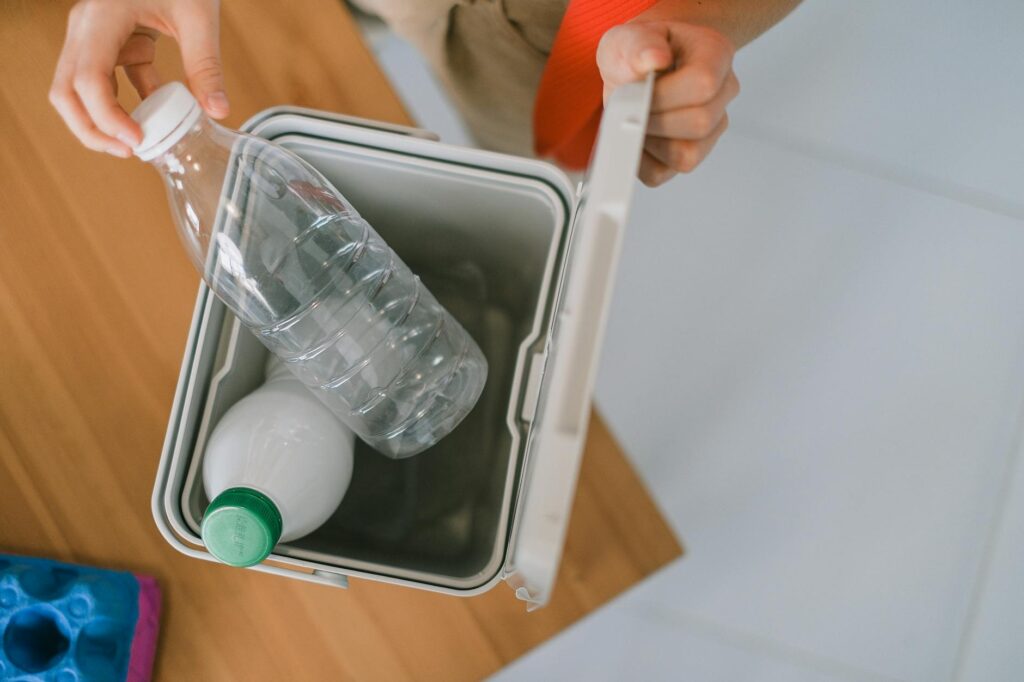
To maximize the benefits of recycling, it’s essential to understand local guidelines. Not all plastics are recyclable in every area, and contamination can ruin entire batches of recyclables. Here are some practical tips:
- Know Your Local Rules: Check with your local waste management authority for a detailed list of accepted materials. Resources like the EPA’s recycling basics page offer general guidance, but local specifics are key.
- Rinse and Clean: Food residue can contaminate recyclables. Briefly rinse containers before placing them in the recycling bin.
- Don’t Bag Recyclables (Usually): Most recycling facilities prefer items to be loose in the bin. Plastic bags can jam machinery.
- Flatten Cardboard: This saves space in your bin and the collection truck.
- Separate Materials: If your municipality requires it, separate different types of recyclables (e.g., glass from plastic).
Many communities now offer single-stream recycling — where all accepted recyclables can be placed in one bin. However, it’s always best to confirm this with your local provider.
 ▶
▶
What if We Stopped Recycling? ♻️ Importance of Recycling | Waste Management | Recycling Process
The combination Between Waste Removal and Recycling
Regular waste removal and recycling aren’t competing strategies. They’re complementary. Regular removal handles the waste that can’t be recycled, such as certain types of non-recyclable plastics, contaminated items, or bulky waste. Recycling focuses on diverting materials that can be repurposed, thereby reducing the volume of waste that needs to be removed and landfilled.
A professional junk removal service like Little Green Junk understands this combination. We assess the items we collect to identify what can be recycled, donated, or responsibly disposed of. For example, we might take an old mattress to a facility that recycles its components or donate usable furniture to a local charity, rather than sending everything straight to the landfill. This approach ensures that the waste removal process itself is as sustainable as possible.
Economic and Community Benefits
Beyond the environmental advantages, effective waste management and recycling have tangible economic and community benefits. Recycling creates jobs in collection, processing, and manufacturing. According to a 2026 industry report, the recycling sector supports hundreds of thousands of jobs across various skill levels. Also, reducing waste sent to landfills can lower disposal costs for municipalities and businesses.
A clean community, free from litter and overflowing bins, is more attractive to residents, businesses, and tourists. It builds a sense of pride and well-being. Implementing strong waste management programs can also lead to innovation in waste-to-energy technologies and the development of new products made from recycled materials, contributing to a more strong and resilient economy.
Challenges and Future Outlook
Despite the clear benefits, challenges remain. Contamination rates in recycling streams can be high, reducing the efficiency and economic viability of recycling programs. Public awareness and participation are Key but can be inconsistent. Plus, the infrastructure for advanced recycling and waste processing isn’t universally available or up-to-date.
The future outlook, however, is promising. Innovations in sorting technology, the development of new markets for recycled materials, and increasing consumer demand for sustainable products are driving progress. The concept of a circular economy—where waste is minimized, and resources are kept in use for as long as possible—is gaining traction globally. As of April 2026, many forward-thinking companies are investing heavily in sustainable packaging and product design to facilitate easier recycling and reuse.
Frequently Asked Questions
what’s the biggest environmental benefit of recycling?
The biggest environmental benefit is the conservation of natural resources and the reduction of pollution associated with extracting and processing virgin materials. Recycling lowers energy consumption and greenhouse gas emissions compared to manufacturing from raw resources.
How often should I’ve bulky items removed?
Bulky items like furniture or appliances should be removed as soon as they’re no longer needed or usable. Many municipalities offer special pickup days, or you can schedule a service like Little Green Junk for prompt removal to prevent clutter and potential hazards.
What are the health risks of not removing waste regularly?
Irregular waste removal can lead to the proliferation of pests like rodents and insects — which can transmit diseases. Decomposing waste can also produce harmful bacteria and unpleasant odors, impacting indoor air quality and creating unsanitary living conditions.
Can all plastics be recycled?
No, not all plastics can be recycled. Recycling capabilities vary by location and the type of plastic. Items with recycling symbols #1 and #2 are generally more widely accepted than those with higher numbers, though this is subject to change and local infrastructure.
what’s the role of professional junk removal in waste management?
Professional junk removal services play a vital role by handling items that municipal services don’t typically collect, such as large debris, old electronics, or hazardous materials. They ensure these items are disposed of, recycled, or donated responsibly, complementing regular waste collection and recycling efforts.
Conclusion: A Collective Responsibility
The importance of regular waste removal and the necessity of recycling in 2026 can’t be overstated. These practices are essential for maintaining public health, protecting our environment, and building sustainable communities. While individual efforts are critical, professional services like Little Green Junk provide the expertise and resources to manage waste effectively, especially for larger or more complex disposal needs. By embracing responsible waste management and recycling, we all contribute to a cleaner, healthier, and more sustainable future for generations to come. Let’s work together to make waste a resource, not a problem.