Why Proper Waste Disposal Matters More Than Ever in 2026
As of April 2026, the global waste crisis continues to escalate, making the importance of following proper waste disposal methods a critical conversation. We generate an unprecedented amount of waste daily, from household trash and electronic gadgets to construction debris and commercial refuse. When this waste isn’t managed correctly, it doesn’t just disappear. It accumulates in overflowing landfills, pollutes our oceans, contaminates soil, and releases harmful greenhouse gases into the atmosphere. This has tangible consequences for public health, ecosystem stability, and the overall health of our planet. Little Green Junk is committed to educating our community on how to tackle this challenge head-on, promoting responsible practices that benefit everyone.
Last updated: April 27, 2026
- Improper waste disposal in 2026 contributes to environmental pollution, affecting air, water, and soil quality.
- Following correct methods diverts waste from landfills, conserving valuable space and reducing methane emissions.
- Responsible disposal ensures hazardous materials are treated safely, preventing contamination and health risks.
- Adopting proper waste management practices supports recycling and reuse, building a circular economy and conserving resources.
- Professional junk removal services like Little Green Junk offer efficient and eco-conscious solutions for complex disposal needs.
true impact of our discarded items is the first step toward making better choices. It’s not just about tidying up. It’s about actively participating in the preservation of our environment for future generations.
The Environmental Toll of Neglecting Waste Disposal
When waste ends up in landfills without proper segregation, it creates a cascade of negative environmental effects. Organic waste decomposes anaerobically (without oxygen), producing methane, a potent greenhouse gas that contributes to climate change. According to the U.S. Environmental Protection Agency (EPA) (2023 data), landfills are a major source of human-related methane emissions in the United States. Also, liquids from decomposing waste can leach into the ground, forming a toxic substance called leachate — which can contaminate groundwater and soil. This contamination poses a serious threat to drinking water sources and agricultural land.
Beyond landfills, improperly disposed of waste, especially plastics, often finds its way into rivers and oceans. Marine life can mistake plastic debris for food, leading to starvation, or become entangled in larger pieces, causing injury and death. The long-term breakdown of plastics also results in microplastics — which enter the food chain and can eventually end up on our plates. The cumulative effect is a widespread degradation of natural ecosystems.
Health Hazards Associated with Poor Waste Management
The importance of following proper waste disposal methods extends directly to public health. Unmanaged waste can become a breeding ground for disease-carrying pests such as rodents, flies, and mosquitoes. These vectors can transmit serious illnesses like dengue fever, malaria, West Nile virus, and plague. In communities with inadequate waste collection and disposal systems, outbreaks of these diseases are far more common.
Hazardous waste, including batteries, electronics, paints, solvents, and certain cleaning products, requires special handling. If these items are simply thrown into the regular trash, their toxic components can leach into the environment. For instance, heavy metals like lead and mercury from old electronics can contaminate soil and water. Inhaling fumes from improperly disposed of chemicals can also lead to respiratory problems and other health issues. According to the World Health Organization (WHO) (published findings in 2022), inadequate waste management is a significant contributor to global disease burdens.
Why Landfill Diversion is Key
The most direct benefit of proper waste disposal is diverting materials away from landfills. Landfills aren’t a sustainable long-term solution. They consume vast amounts of land, often in areas where land is scarce or ecologically sensitive. As of April 2026, the challenge of finding suitable locations for new landfills is growing, and the costs associated with managing existing ones are substantial.
Diverting waste through recycling, composting, and reuse conserves valuable landfill space. This process also reduces the emission of methane and other greenhouse gases. Initiatives like the EPA’s focus on reducing waste generation and increasing recycling rates are essential components of a sustainable future. When we recycle materials like paper, glass, metal, and plastic, we reduce the need to extract virgin resources — which often involves energy-intensive and environmentally damaging processes.
 ▶
▶
Solid Waste Management u0026 Disposal Explained | Methods, Importance u0026 Solutions 🌍
The Role of Recycling and Composting
Recycling and composting are cornerstones of responsible waste management. Recycling transforms used materials into new products, closing the loop and reducing the demand for raw materials. For example, recycling aluminum cans saves up to 95% of the energy required to make new ones from bauxite ore. Similarly, recycling plastic reduces the reliance on fossil fuels.
Composting handles organic waste—food scraps, yard trimmings, and other biodegradable materials—by breaking them down into nutrient-rich soil amendment. This process not only diverts a significant portion of household waste from landfills but also produces a valuable product that improves soil health, reduces the need for chemical fertilizers, and enhances water retention in gardens and farms. Many municipalities and private companies now offer curbside composting services, making it easier than ever to participate.
Handling Specific Waste Streams: E-Waste and Hazardous Materials
Certain types of waste require specialized disposal methods due to their composition and potential for environmental harm. Electronic waste, or e-waste, includes items like old computers, smartphones, televisions, and appliances. These devices often contain valuable metals that can be recovered, but also hazardous substances like lead, mercury, and cadmium. Improper disposal of e-waste can lead to these toxins entering the environment.
Little Green Junk frequently encounters e-waste during house clearances. It’s Key to take these items to designated e-waste recycling centers or use services that specialize in their safe dismantling and recycling. For household hazardous waste (HHW)—such as paints, oils, pesticides, and batteries—many local governments organize special collection days or operate permanent drop-off facilities. Checking your local municipality’s waste management website is the best way to find out about these resources. According to a report by the United Nations (2022), global e-waste generation continues to rise, underscoring the need for better disposal infrastructure.
Practical Tips for Proper Waste Disposal at Home
Implementing proper waste disposal methods in your daily life is simpler than you might think. Start by understanding your local waste management system. What can be recycled? What goes in the general trash? Are there special collection programs for items like batteries or electronics?
- Reduce and Reuse First: Before disposing of anything, consider if you can reduce your consumption or reuse items. Opt for reusable bags, water bottles, and coffee cups. Repair items instead of replacing them. Donate usable items you no longer need.
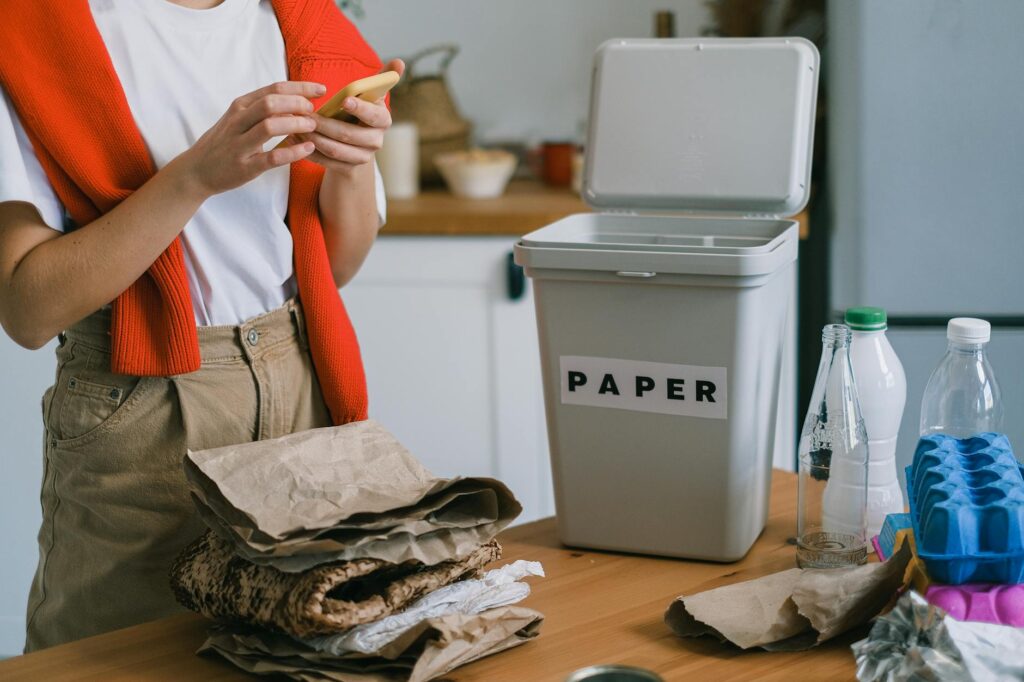
- Sort Your Waste: Set up separate bins for recycling, compost (if available), and general waste. Clearly label them to avoid confusion. Rinse containers to prevent contamination.
- Know Your Recyclables: Familiarize yourself with the types of plastics, papers, and metals accepted by your local recycling program. Not all plastics are recyclable everywhere.
- Compost Organics: If you have a garden, start a compost bin. Even apartment dwellers can often use countertop composters or participate in community composting programs.
- Dispose of Hazardous Waste Properly: Never pour chemicals down the drain or throw batteries in the regular trash. Research local HHW collection sites or events.
- Manage E-Waste Responsibly: Collect old electronics and take them to designated drop-off points or use a specialized e-waste recycling service.
Even small changes in habit can collectively make a significant difference. For instance, consciously choosing products with minimal packaging reduces the amount of waste generated in the first place.
When to Call the Professionals: Little Green Junk
While individual efforts are vital, some waste disposal challenges require professional assistance. Large-scale cleanouts, renovation debris, or significant amounts of bulky items can be overwhelming to manage alone. Here’s where services like Little Green Junk come in.
We specialize in responsible junk removal, ensuring that items are sorted, recycled, donated, or disposed of in the most environmentally sound manner possible. Our team has the expertise and equipment to handle a lots of materials, from old furniture and appliances to construction waste. We prioritize landfill diversion, striving to recycle or repurpose as much material as we can. By choosing a professional service committed to eco-friendly practices, you not only clear your space efficiently but also contribute positively to waste reduction efforts.
Our operational experience shows that many items we collect can be given a second life through donation or recycling. For example, furniture in good condition can be donated to local charities, and scrap metal from appliances can be sent to specialized recyclers. This approach aligns with the growing principles of the circular economy — where resources are kept in use for as long as possible.
Frequently Asked Questions
What are the main risks of improper waste disposal?
The main risks include environmental pollution of air, water, and soil. The spread of diseases through pests attracted to unmanaged waste. Contamination from hazardous materials. And increased greenhouse gas emissions contributing to climate change.
How can I reduce the amount of waste I produce?
You can reduce waste by practicing the “reduce, reuse, recycle” mantra: buy less, choose products with minimal packaging, opt for reusable items, repair rather than replace, and donate unwanted goods.
what’s considered hazardous household waste?
Hazardous household waste includes items like batteries, fluorescent light bulbs, paints, solvents, pesticides, cleaning chemicals, and old electronics — which can pose risks if not disposed of properly.
Is it legal to dump waste illegally?
No, illegal dumping, often referred to as fly-tipping, is against the law in most jurisdictions and carries significant fines and penalties, Besides the severe environmental damage it causes.
How does professional junk removal help with proper disposal?
Professional services like Little Green Junk sort collected items, prioritizing donation and recycling to divert waste from landfills. They have the knowledge and resources to handle various waste types, including hazardous and bulky items, ensuring compliance with disposal regulations.
Conclusion: Making a Difference Through Responsible Actions
The importance of following proper waste disposal methods in 2026 can’t be overstated. it’s a collective responsibility that directly impacts our environment, our health, and our future. By consequences of improper disposal and actively adopting sustainable practices like reducing, reusing, recycling, and composting, we can mitigate these negative effects. For larger or more complex disposal needs, partnering with a professional and environmentally conscious service like Little Green Junk ensures that your waste is handled responsibly and efficiently. Let’s work together to create cleaner communities and a healthier planet.