Why Sorting Waste Matters for Effective Recycling
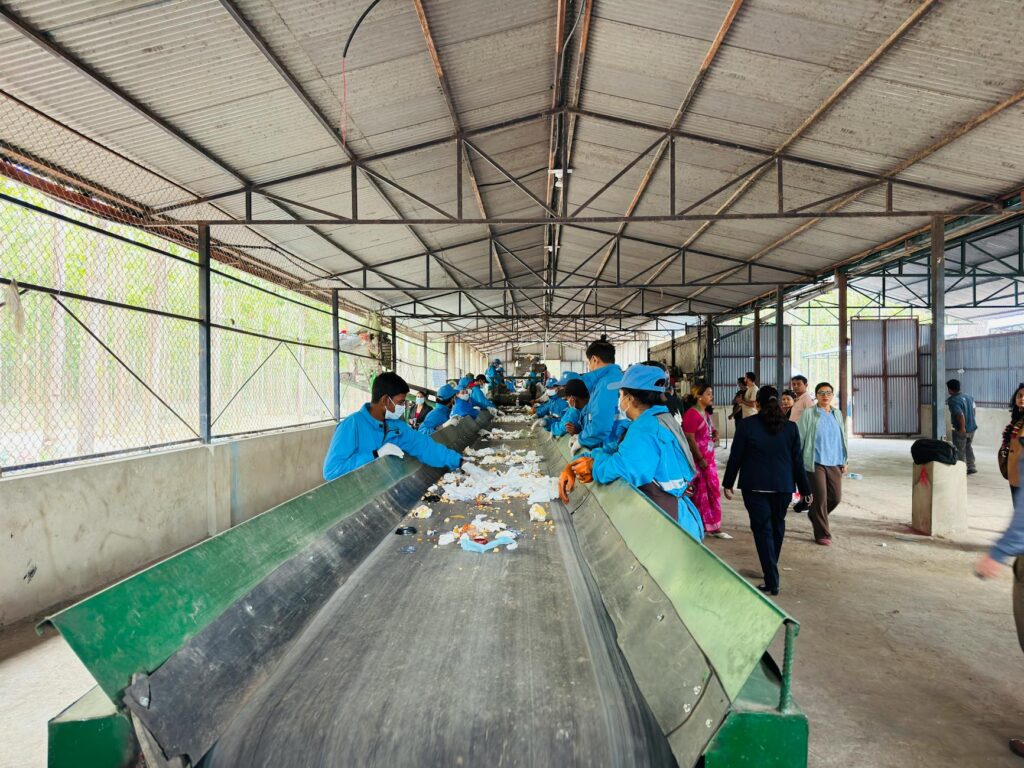
In the UK, the amount of household waste generated continues to be a significant environmental concern. According to the UK Government (2023), local authorities managed 22.9 million tonnes of waste in England in 2021/22 alone. Simply putting everything into one bin, even if it looks recyclable, can lead to entire loads being sent to landfill. Identifying the different types of waste to simplify your recycling isn’t just good practice. it’s essential for making recycling systems work efficiently. This means understanding what each material is and where it belongs.
Last updated: April 24, 2026
The core principle is that accurate sorting improves the quality and quantity of recycled materials. When items are sorted correctly, they can be processed and transformed into new products more easily. This reduces the need for virgin resources, saves energy, and lowers greenhouse gas emissions. For instance, properly sorted aluminium cans can be recycled infinitely with minimal loss of quality, saving up to 95% of the energy needed to make aluminium from raw bauxite ore. Conversely, contamination—like food residue on paper or the wrong type of plastic—can render batches unusable, undermining the entire recycling effort.
Understanding Common Waste Categories
To simplify your recycling, it’s vital to grasp the primary categories of waste we generate daily. These typically fall into several broad groups, each with specific recycling requirements.
1. Paper and Cardboard
This category includes newspapers, magazines, junk mail, cardboard boxes (like those from Amazon deliveries), cereal packets, and office paper. Generally, these items should be clean and dry. Greasy pizza boxes or food-soiled paper products are usually not recyclable in standard kerbside collections. Flattening cardboard boxes helps save space in your recycling bin and collection vehicles.
The key here’s cleanliness. A small amount of food residue might be acceptable, but significant grease or liquid can contaminate a whole batch of paper recycling. Many local councils provide specific guidance on their websites about what types of paper and cardboard they accept. For example, the RecycleNow campaign, a national initiative, offers detailed information tailored to UK residents, highlighting that even windowed envelopes can often be recycled.
2. Plastics
Plastic recycling can be the most confusing due to the variety of polymer types. Look for the recycling symbol, usually a triangle with a number inside (1-7). Common plastics accepted in kerbside recycling include:
- PET (1): Typically used for drinks bottles (water, soda).
- HDPE (2): Found in milk jugs, detergent bottles, and shampoo bottles.
- PP (5): Used for yogurt pots, some food trays, and caps.
Items like plastic bags, films, crisp packets, and polystyrene are often not accepted in standard household recycling bins. These often require special collection points, such as those found in many larger supermarkets for carrier bags. Rinsing plastic containers before recycling is good practice to prevent contamination.
The challenge with plastics lies in their diverse chemical composition and the varying capabilities of recycling facilities. While PET and HDPE are widely recycled, other plastics like PVC (3), LDPE (4), PS (6), and ‘Other’ (7) are less commonly accepted. It’s Key to check your local council’s guidelines. Some councils have moved towards ‘widely recyclable’ plastics only, simplifying the process but potentially excluding certain types. For instance, the London Borough of Camden’s website provides a clear, item-by-item guide on what plastics they accept.
3. Glass
Glass bottles and jars are generally recyclable. This includes food jars (jam, pickles) and beverage bottles (wine, beer, soft drinks). Different colours of glass are usually sorted at recycling facilities. Keyly, items like drinking glasses, Pyrex, ceramics, and light bulbs are made from different types of glass and aren’t recyclable through kerbside collections. These often need to be disposed of in general waste or taken to specific recycling centres.
A common point of confusion is lids. Metal lids from jars can often be recycled separately with other metals, while plastic lids might be recyclable with plastics, depending on your local scheme. It’s best to remove lids and check local guidance. Rinse jars and bottles to remove food residue. Broken glass should be carefully wrapped to avoid injury to waste collectors.
4. Metals
Aluminium and steel cans are highly recyclable. This includes food cans (beans, soup), drink cans, and aerosols (ensure they’re empty). Aluminium foil and foil trays are also often accepted, provided they’re clean. Like plastics, metal items should ideally be rinsed to remove food residue.
The recycling process for metals is energy-intensive, so effective recycling is vital. Aluminium can be recycled repeatedly without losing quality. Steel is also widely recycled. Check your local authority’s guidelines regarding mixed metal items or heavily soiled foil. Empty aerosol cans are important because residual contents can be flammable or hazardous.
5. Food Waste
Many local authorities now provide separate food waste collection services. This includes fruit and vegetable scraps, meat and fish (cooked or raw), dairy products, eggshells, and tea bags. Food waste collected separately is typically sent to anaerobic digestion plants or composting facilities to be turned into biogas and nutrient-rich compost.
If your council doesn’t offer a food waste collection, consider home composting if you have a garden. Even small amounts of food waste can create unpleasant odours and attract pests if placed in general waste bins. Avoiding food waste in the first place, through better meal planning and storage, is also a key waste reduction strategy.
Special Waste Streams: What NOT to Put in Your Kerbside Bin
Certain items require special handling and should never be placed in your regular recycling bin. Misplacing these can cause significant problems at recycling facilities.
1. Electronics (E-waste)
Old computers, laptops, mobile phones, televisions, and small appliances contain valuable materials but also hazardous substances like lead and mercury. Here are classified as Waste Electrical and Electronic Equipment (WEEE). According to the Environment Agency, improper disposal of e-waste can lead to environmental pollution. E-waste should be taken to designated WEEE collection points at local recycling centres or returned to retailers when purchasing new items.
2. Batteries
Household batteries (AA, AAA, C, D, PP3) and rechargeable batteries shouldn’t go into general waste or recycling bins. They contain heavy metals and can pose a fire risk. Many supermarkets, electronics stores, and local recycling centres have battery collection points. Some councils offer kerbside battery recycling, but this is less common.
3. Hazardous Waste
This includes items like paint, solvents, chemicals, cleaning products, motor oil, and fluorescent light bulbs. These substances can be toxic and harmful to the environment and waste disposal workers. They must be taken to designated hazardous waste disposal sites, usually located at local Household Waste Recycling Centres (HWRCs). Never pour chemicals down drains or onto the ground.
4. Textiles
Clothes, shoes, and other textiles are generally not accepted in kerbside recycling. However, many charities accept donations of good-quality clothing. Items that aren’t suitable for donation can often be recycled through textile banks found at supermarkets or recycling centres. Some companies even offer collection services for unwanted textiles.
Navigating Recycling Symbols and Labels
Recycling symbols can be confusing. The most common is the Mobius loop (three chasing arrows), often with a number inside for plastics. This symbol indicates that the material is recyclable, but not necessarily that it is recycled by your local authority. It’s always best to verify with your local council’s recycling guidelines.
Other symbols may indicate compostability (e.g., the seedling logo) or biodegradability. It’s important to distinguish between these: compostable items break down into nutrient-rich compost under specific composting conditions, while biodegradable items break down naturally over time, though the timescale and byproducts can vary significantly. Items labelled ‘biodegradable’ aren’t always suitable for home composting or standard recycling facilities.
Tips for Simplifying Your Recycling Process
Making recycling easier starts with organisation and consistent habits. Here are some practical tips:
- Set up dedicated bins: Have separate bins or containers in your kitchen for different types of recyclables (e.g., paper/cardboard, plastics/metals/glass, food waste).
- Know your local rules: Visit your local council’s website. Here’s the single most important step. Many councils have apps or downloadable guides. For example, searching for “[Your Town/City] Council recycling” will usually bring up the relevant information.
- Rinse and dry: Give containers a quick rinse to remove food residue. This prevents contamination and pests.
- Flatten boxes: Save space by flattening cardboard boxes and large plastic containers.
- Keep a bag for ‘unrecyclable’ items: If you’re unsure about an item, it’s often better to put it in the general waste to avoid contaminating your recycling. Research it later.
- Educate your household: Ensure everyone living in your home understands the sorting rules.
Frequently Asked Questions
Can I recycle plastic film and wrappers?
Generally, no. Plastic films, wrappers, crisp packets, and bread bags are usually not accepted in kerbside recycling. These often require special collection points, typically found at larger supermarkets.
What about pizza boxes?
Clean pizza boxes (no grease or cheese) can usually be recycled with cardboard. However, greasy or food-soiled boxes should be placed in general waste or composted if you have a suitable system.
Are all glass bottles and jars recyclable?
Most glass bottles and jars are recyclable. However, items like drinking glasses, mirrors, window panes, ceramics, and light bulbs are made from different types of glass and shouldn’t go in your recycling bin.
What does the recycling symbol with a number mean?
The number inside the recycling triangle (1-7) identifies the type of plastic resin. While it indicates the material is recyclable, it doesn’t guarantee your local council collects it. Always check local guidelines.
How can I recycle items not collected at the kerbside?
For items like e-waste, batteries, textiles, and hazardous waste, you’ll need to use designated collection points at local recycling centres, specific drop-off locations (like supermarkets), or special collection services offered by your council.
Conclusion: A Simpler Path to Better Recycling
Effectively identifying the different types of waste to simplify your recycling is an achievable goal. By basic categories—paper, plastics, glass, metals, and food waste—and knowing what belongs in each, you can improve your household’s recycling efforts. Remember to always check your local council’s specific guidelines, as these can vary. Resources like RecycleNow are invaluable for finding this information. Taking a few extra moments to sort correctly prevents contamination, makes the recycling process more efficient, and contributes to a healthier planet. Make it a habit, and you’ll see the positive impact.