
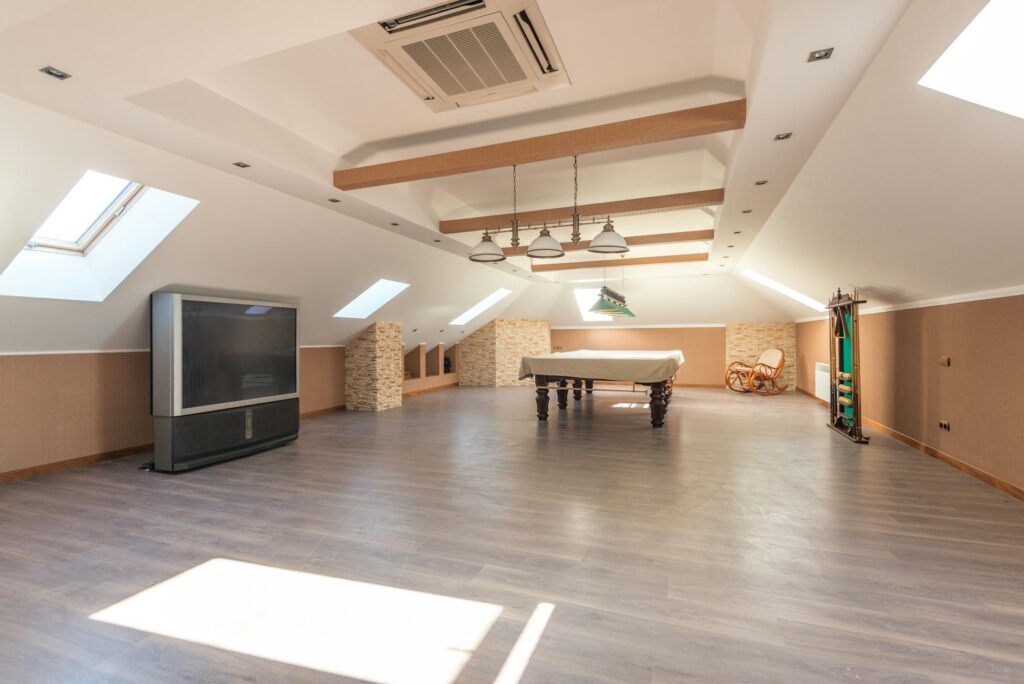
Tackling the Attic: A Guide to Effective Attic Cleanout
Your attic might be the last place you think about but it often becomes a repository for forgotten items, seasonal decorations, and potential hazards. An organized attic is a functional attic, but getting there can feel overwhelming. This guide provides practical strategies for a thorough attic cleanout, ensuring you can reclaim this valuable space efficiently and safely.
Last updated: April 24, 2026
A complete attic cleanout involves more than just hauling out old boxes. It’s about assessing what’s there, deciding what to keep, what to donate or sell, and what to discard. This process not only declutters your home but can also uncover issues like leaks, pests, or inadequate insulation, contributing to better home health and energy efficiency.
Why Bother with an Attic Cleanout?
Many homeowners view the attic as a black hole where things go to be forgotten. However, a dedicated attic cleanout offers several significant benefits. It frees up valuable space, improves air quality by removing dust and potential allergens, helps identify and address structural issues or pest infestations early, and can even increase your home’s energy efficiency by ensuring insulation is properly placed and not compressed by stored items.
According to the U.S. Environmental Protection Agency (2023), proper attic insulation and ventilation are Key for maintaining comfortable indoor temperatures and reducing energy bills. A cluttered attic can impede airflow and compromise insulation effectiveness, leading to unnecessary heating and cooling costs. Clearing out unnecessary items is a foundational step toward optimizing your home’s energy performance.
Step 1: Preparation is Key
Before you even step foot into the attic, thorough preparation is essential. Gather your supplies: sturdy boxes or bins for sorting, heavy-duty trash bags, gloves, a dust mask (N95 or better recommended), safety glasses, a flashlight or headlamp, and cleaning supplies. Consider renting a portable air scrubber if dealing with significant dust or potential mold. Decide on your sorting system beforehand: Keep, Donate/Sell, and Discard are common categories.
Safety is really important. Ensure you have a stable ladder and someone to assist, especially when carrying heavy items. Familiarize yourself with your attic’s layout, including any potential hazards like exposed wiring or weak spots in the flooring. If your attic has low clearance, using a tool like a telescoping grabber can be helpful for reaching items without overexerting yourself.
Step 2: The Sorting and Decluttering Process
Begin by tackling one section of the attic at a time. This prevents feeling overwhelmed. As you encounter each item, make a quick decision based on your pre-defined categories. Ask yourself: Have I used this in the last year? Is it broken or damaged beyond repair? Does it hold significant sentimental value? Is it something I’d realistically need or want in the future?
Be ruthless but realistic. Many attics accumulate items that are outdated, broken, or simply no longer serve a purpose. Consider the environmental impact of your decisions. Items in good condition can be donated to charities like Goodwill, while valuable items might be sold through online marketplaces or at a garage sale. For items truly destined for the trash, proper disposal is Key.
For items destined for disposal, remember that responsible junk removal is part of a green approach. Little Green Junk specializes in eco-friendly disposal, ensuring that as much as possible is recycled or donated, minimizing landfill impact.
Step 3: Dealing with Hazardous Materials and Pests
Attics can sometimes harbor unwelcome guests or hazardous materials. Look for signs of rodent droppings, insect nests, or chewed wires — which indicate a pest problem. If you discover significant pest activity, it’s often best to consult a professional pest control service before or during your cleanout. Similarly, be cautious of potential mold growth, especially in damp areas. If mold is extensive—more than a few square inches—consider professional mold remediation.
According to the Centers for Disease Control and Prevention (2020), mold exposure can cause health problems, including nasal stuffiness, throat irritation, and lung irritation. If you find small patches of mold, clean them with a detergent and water solution, ensuring good ventilation and wearing protective gear. For larger infestations, professional help is recommended.
Step 4: Deep Cleaning the Attic Space
Once the clutter is removed, it’s time for a thorough cleaning. Start by vacuuming dust and debris from all surfaces, including rafters, floor joists, and walls. Use a shop vacuum with a HEPA filter for optimal dust capture. Follow up with damp mopping or wiping down surfaces to remove any remaining grime. Pay special attention to corners and crevices where dust accumulates.
If you’re dealing with old, deteriorating insulation, such as vermiculite, exercise extreme caution. Vermiculite can sometimes contain asbestos. The U.S. Environmental Protection Agency advises that if vermiculite insulation is present and undisturbed, the safest approach is often to leave it in place. If removal is necessary, it should be handled by licensed professionals trained in asbestos abatement. Here’s a Key safety consideration during any attic cleanout.
Step 5: Organizing for Maximum Utility
With a clean slate, you can now organize the items you’ve decided to keep. Invest in clear, stackable storage bins – these make it easy to see contents and maximize vertical space. Label each bin clearly with its contents. Use shelving units or pegboards to create dedicated storage zones for tools, seasonal items, or hobby supplies.
Consider the weight distribution in your attic. Heavy items should be placed closer to the load-bearing walls or joists. Avoid piling items too high — which can create safety hazards and block ventilation. Implementing smart attic storage solutions can turn this forgotten space into a highly functional extension of your home.
Step 6: Disposal of Unwanted Items
Here’s where professional junk removal services like Little Green Junk excel. We can efficiently remove large volumes of unwanted items, including old furniture, broken electronics, construction debris, and general clutter. Our team is trained to handle different types of materials and ensures responsible disposal, prioritizing recycling and donation whenever possible.
The cost of professional attic junk removal can vary depending on the volume of items and your location. Typically, companies like Little Green Junk charge based on the amount of space your junk occupies in their truck, often ranging from $150 to $500 or more for a significant cleanout. However, the time saved, the safety ensured, and the eco-friendly disposal make it a worthwhile investment for many homeowners.
Hiring Professionals for Your Attic Cleanout
While a DIY attic cleanout is possible, hiring professionals offers distinct advantages. The process can be physically demanding and potentially hazardous due to dust, uneven surfaces, and the risk of falling. Professionals have the equipment, training, and manpower to complete the job quickly and safely. They also handle the disposal of waste responsibly.
When choosing a service, look for companies with good reviews, transparent pricing, and a commitment to eco-friendly practices. Little Green Junk, for instance, aims to divert up to 70% of the waste they collect from landfills. Companies like 1-800-GOT-JUNK? also offer complete attic cleanout services, but it’s always wise to compare quotes and services.
Frequently Asked Questions
How long does an attic cleanout typically take?
The duration of an attic cleanout can vary significantly. A small, lightly cluttered attic might take a single day for a DIY effort, while a heavily packed attic requiring sorting, deep cleaning, and disposal could take several days or even a week. Professional services, however, can often complete a thorough attic cleanout in just a few hours to a full day, depending on the scale of the project.
What should I NOT store in my attic?
Avoid storing flammable materials like gasoline or propane tanks, as attics can get very hot. Perishable food items can attract pests. Important documents that aren’t properly protected are vulnerable to moisture and pests. Also, avoid storing electronics that are sensitive to extreme temperature fluctuations, as attics experience significant seasonal temperature swings.
Is attic mold dangerous?
Yes, attic mold can be dangerous. Exposure to mold spores can cause allergic reactions, asthma attacks, and other respiratory problems, especially for individuals with pre-existing conditions. The extent of the danger depends on the type of mold, the concentration of spores in the air, and individual sensitivity. Addressing mold promptly is Key for maintaining a healthy home environment.
What’s the best way to organize an attic?
The best way to organize an attic is to use clear, stackable storage bins, label them meticulously, and group similar items together. Use vertical space with shelving units. Store heavier items closer to load-bearing walls and ensure good airflow. Regularly decluttering seasonally will prevent excessive accumulation.
How much does professional attic junk removal cost?
The cost for professional attic junk removal typically ranges from $150 to $500 or more, depending on the volume and type of junk, the accessibility of the attic, and the service provider’s pricing structure. Some companies charge by the truckload, while others may charge hourly. It’s best to get a personalized quote from services like Little Green Junk.
Conclusion: Reclaim Your Space with Confidence
An attic cleanout is a significant undertaking, but the rewards—increased living space, improved home health, and greater peace of mind—are well worth the effort. Whether you choose a DIY approach or enlist the help of professionals like Little Green Junk, preparation, careful sorting, and responsible disposal are key components of a successful attic cleanout. Don’t let your attic remain a forgotten frontier. transform it into a valuable asset for your home.
Related read: Little Green Junk: Service Areas We Cover