
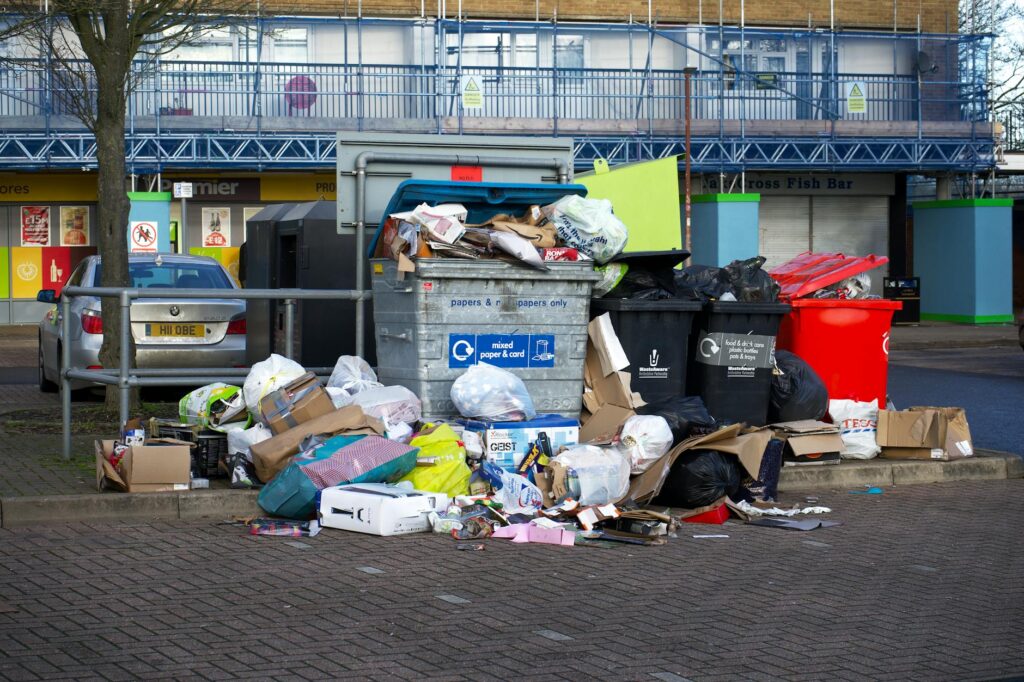
Why Your Business Needs a Waste Management Strategy
As a business owner, are you actively managing your company’s waste? A strong waste management strategy isn’t just about avoiding fines. it’s a critical component of operational efficiency, cost control, and corporate social responsibility. Businesses generate significant amounts of waste daily, from office paper and packaging to manufacturing byproducts and food scraps. Without a deliberate plan, this waste can become a costly liability. According to the U.S. Environmental Protection Agency (EPA) (2021), the United States generated 292.4 million tons of municipal solid waste in 2018 alone, highlighting the sheer volume involved.
Last updated: April 23, 2026
A proactive waste management strategy is essential for every business owner to minimize environmental impact, reduce operational costs, and ensure compliance with regulations.
The Hidden Costs of Neglecting Waste Management
Many business owners focus on waste removal rather than management, a common oversight with substantial financial implications. Simply paying a hauler to take away trash ignores opportunities for reduction, reuse, and recycling, all of which can directly impact your bottom line. Consider the costs:
- Disposal Fees: The more waste you produce, the higher your hauling bills. According to the National Waste &. Recycling Association, the average commercial waste collection rate can range from $100 to $500 per month, but this varies widely based on volume and service type.
- Material Loss: Discarding recyclable or reusable materials means losing the potential value of those resources.
- Regulatory Fines: Non-compliance with local, state, or federal waste disposal regulations can lead to hefty fines. For example, improper disposal of certain industrial waste can result in penalties reaching thousands of dollars per violation.
- Energy and Resource Waste: Producing new goods from raw materials consumes far more energy than recycling or reusing existing ones. Discarding items that could be repurposed represents a significant loss of embedded energy and resources.
Key Components of an Effective Waste Management Strategy
Developing a complete strategy involves understanding your waste stream, setting goals, and implementing specific practices. It’s not a one-size-fits-all approach. what works for a small retail shop will differ from a large manufacturing plant. However, certain core elements are universally applicable:
1. Conduct a Waste Audit
Before you can manage your waste, you need to know what you’re throwing away. A waste audit is a systematic process of identifying and quantifying the types and amounts of waste your business generates. This involves physically sorting through waste bins or analyzing disposal records. Tools like the EPA’s Waste Reduction Model (WARM) can help estimate greenhouse gas emissions reductions from waste diversion. Conducting a detailed audit, perhaps with the help of a professional service like Little Green Junk, can uncover surprising insights. You might discover that a significant portion of your waste is recyclable or compostable, or that employees are disposing of items improperly.
2. Set Clear Goals and Objectives
What do you want to achieve with your waste management strategy? Goals should be specific, measurable, achievable, relevant, and time-bound (SMART). Examples include:
- Reduce total waste sent to landfill by 20% within one year.
- Increase the recycling rate for cardboard and paper by 30% in six months.
- Implement a composting program for food waste in break rooms by the end of the quarter.
- Ensure 100% compliance with hazardous waste disposal regulations.
Setting these targets provides direction and a benchmark for measuring success.
3. Implement the Waste Hierarchy
The waste hierarchy is a framework that prioritizes waste management actions from most to least environmentally preferred. It’s a concept widely promoted by environmental agencies worldwide. According to the UK Government (updated regularly), the hierarchy is:
- Prevention: The most effective approach is to prevent waste from being created in the first place. This could involve reducing packaging, going paperless, or optimizing production processes.
- Reuse: Finding new uses for items that would otherwise be discarded. This could include reusing shipping containers, donating old furniture, or repurposing office supplies.
- Recycling: Processing waste materials to create new products. Here’s a cornerstone of modern waste management, covering materials like paper, plastic, glass, and metal.
- Recovery: Extracting materials or energy from waste, such as through incineration with energy recovery or composting.
- Disposal: The least preferred option, involving landfilling or incineration without energy recovery.
Your strategy should prioritize actions higher up the hierarchy.
Exploring Different Waste Management Approaches
Once you understand your waste stream and have set goals, you can explore various approaches. The best solution often involves a combination of methods tailored to your business needs.
On-Site Management and Reduction
This involves implementing practices within your business to reduce waste generation at the source. Think about:
- Procurement policies: Choosing suppliers who use minimal packaging or offer take-back programs.
- Digitalization: Moving towards paperless operations where possible.
- Employee Training: Educating staff on proper sorting, recycling, and reduction techniques. A well-trained employee can make a significant difference.
- Equipment Maintenance: Regularly maintaining machinery can prevent waste due to breakdowns or defects.
These proactive steps can decrease the volume of waste needing external management.
Recycling and Composting Programs
Establishing complete recycling programs is vital. This requires clear signage, accessible bins, and potentially partnering with specialized recycling services for items like electronics or batteries. Many businesses also benefit from composting organic waste. According to the EPA (updated periodically), composting food scraps and yard waste can divert a substantial amount of material from landfills, reducing methane emissions.
Specialized Waste Disposal
Certain types of waste require special handling. This includes:
- Hazardous Waste: Chemicals, batteries, fluorescent bulbs, and certain electronic components need to be disposed of according to strict regulations. Companies like Safeway Disposal offer specialized services for this.
- E-Waste: Old computers, printers, and mobile phones contain valuable materials but also harmful substances. Responsible e-waste recycling is Key.
- Construction and Demolition Debris: This requires specific disposal or recycling strategies, often involving specialized contractors.
Ignoring these requirements can lead to severe environmental damage and legal penalties.
Choosing the Right Waste Hauling Partner
Your waste hauling service is a Key partner in your strategy. Selecting the right one goes beyond just comparing prices. Consider:
- Service Offerings: Do they offer recycling, composting, or specialized waste pickup?
- Transparency: Are their pricing and reporting clear? Do they provide data on where your waste goes?
- Sustainability Commitment: Does the hauler have its own environmental policies and practices?
- Reliability: Punctual and consistent service is key to smooth operations.
Companies like Little Green Junk specialize in responsible junk removal and waste management, often prioritizing diversion from landfills. Asking potential partners about their diversion rates can be very telling.
The Role of Technology in Waste Management
Technology is increasingly playing a role in optimizing waste management. Smart bins can monitor fill levels, signaling when collection is actually needed, thus reducing unnecessary trips and fuel consumption. Data analytics platforms can track waste generation patterns, identify trends, and measure the effectiveness of reduction initiatives. Software from companies like Rubicon Technologies offers advanced solutions for businesses seeking to gain better control and visibility over their waste streams.
Frequently Asked Questions
what’s a business waste management strategy?
A business waste management strategy is a complete plan designed to minimize the amount of waste a company produces, maximize recycling and reuse efforts, and ensure the safe, compliant, and cost-effective disposal of unavoidable waste. It encompasses policies, procedures, and actions to manage waste from generation to final disposition.
How can I reduce my business’s waste?
You can reduce business waste by implementing the waste hierarchy: prevent waste at the source through efficient procurement and operations, reuse items whenever possible, and maximize recycling and composting efforts. Going paperless and opting for reusable materials are effective starting points.
Is waste management expensive for businesses?
While there are costs associated with waste disposal, implementing an effective strategy can reduce overall expenses. By reducing waste volume, increasing recycling (which can sometimes generate revenue or lower costs), and avoiding fines, businesses can achieve substantial cost savings. The expense of inaction often outweighs the investment in a good strategy.
What are the legal requirements for business waste?
Legal requirements vary by location and the type of waste generated. Generally, businesses must ensure waste is stored, transported, and disposed of in compliance with local, state, and federal regulations. This often includes specific rules for hazardous waste, e-waste, and general refuse, with penalties for non-compliance.
How often should I review my waste management strategy?
It’s advisable to review your waste management strategy at least annually, or whenever significant changes occur in your business operations, such as expansion, new product lines, or changes in regulations. Regular reviews ensure the strategy remains effective and aligned with your business goals and sustainability objectives.
Conclusion: Proactive Management for a Greener, More Profitable Business
As a business owner, developing and implementing a strong waste management strategy is no longer optional—it’s a necessity for sustainable growth and responsible operation. It requires a commitment to understanding your waste stream, setting clear objectives, and adopting practices that align with the waste hierarchy. By embracing reduction, reuse, and recycling, and partnering with the right service providers, you can transform waste from a liability into an opportunity for efficiency and cost savings. Start by conducting a waste audit and setting achievable goals. The journey towards better waste management benefits your business, your community, and the planet.
Related read: Office Furniture Removal: A Greener Approach