Are We Losing The Battle Against Trash?
22
The sheer volume of waste generated globally presents a daunting challenge. As landfills swell and plastic pollution chokes our oceans, it’s easy to feel overwhelmed. Are we truly losing the battle against trash, and how can we make waste less of a burden on the environment through better junk removal practices? The answer lies not in despair, but in informed action and a shift in perspective.
The escalating waste crisis is a clear sign that our current consumption and disposal habits are unsustainable. Effective waste management, including responsible junk removal, is Key to mitigating environmental damage and building a healthier planet for future generations.
Last updated: April 23, 2026
The Scale of the Problem: A Growing Mountain of Waste
22
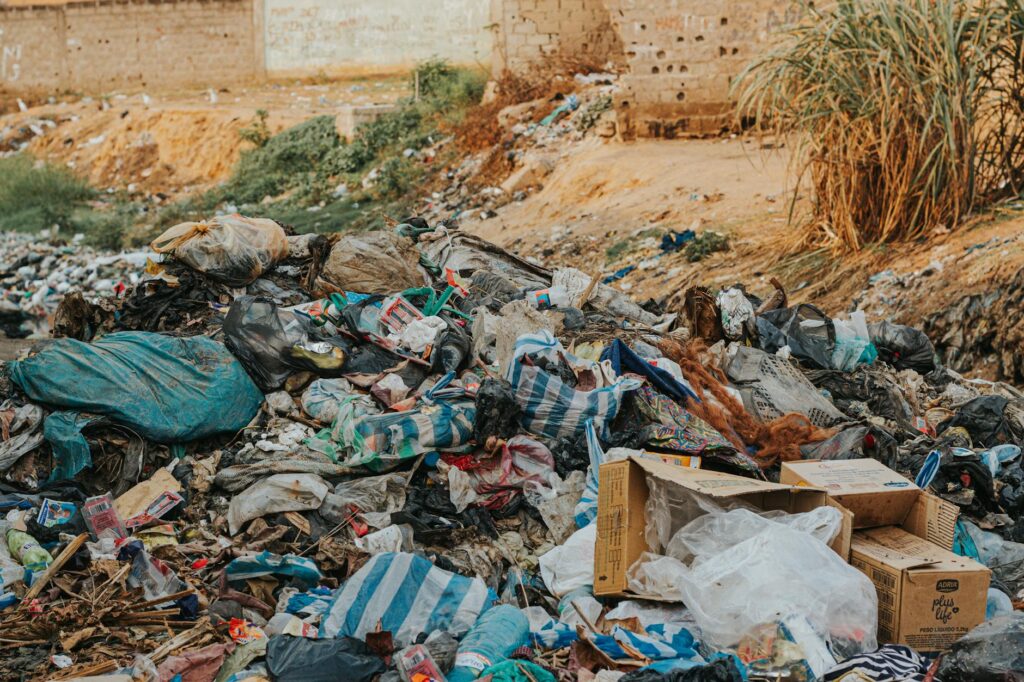
Globally, humanity produces staggering amounts of waste daily. According to the World Bank (2023), the world generates 2.24 billion tonnes of solid waste annually. If current trends continue, this figure is projected to increase by 70% by 2050. This isn’t just unsightly; it has profound environmental consequences. Landfills emit methane, a potent greenhouse gas, contributing to climate change. Also, improper disposal leads to soil and water contamination, harming ecosystems and human health. The Great Pacific Garbage Patch, a swirling mass of plastic debris estimated to be twice the size of Texas, works as a stark visual reminder of our collective impact.
Common Missteps in Waste Management
22
Many of us unwittingly contribute to the problem through common mistakes. One prevalent issue is wishcycling—tossing items into recycling bins hoping they’ll be recycled, even if they aren’t accepted. This contaminates the recycling stream, often leading to entire batches being sent to landfill. For instance, plastic bags, greasy pizza boxes, and Styrofoam are frequent culprits. Another mistake is the indiscriminate disposal of bulky items. Simply leaving old furniture or appliances on the curb without arranging proper removal can lead to illegal dumping, which is both an eyesore and an environmental hazard.
Understanding what can and can’t be recycled is the first step. Many municipalities offer detailed guides online, and services like Terracycle provide recycling solutions for hard-to-recycle items.
Related read: Little Green Junk: Service Areas We Cover
Rethinking Junk Removal: Beyond the Dumpster
22
a more sustainable approach is essential. Professional junk removal services like Little Green Junk prioritize donation and recycling before resorting to disposal. For example, donating usable furniture to organizations like Goodwill Industries can give items a second life, reducing the need for new manufacturing and diverting waste from landfills. Similarly, electronics recycling programs ensure hazardous materials are handled safely and valuable components are recovered.
The Waste Hierarchy: A Guiding Principle
22
To effectively reduce waste, we must embrace the waste hierarchy: Reduce, Reuse, Recycle, Recover, and Dispose. This framework prioritizes actions that prevent waste in the first place.
- Reduce: Buy only what you need. Opt for products with minimal packaging. Avoid single-use items whenever possible.
- Reuse: Repair items instead of replacing them. Find new uses for old objects (upcycling). Donate unwanted goods.
- Recycle: Separate recyclables correctly according to local guidelines. Clean items before recycling to avoid contamination.
- Recover: This includes energy recovery from waste (incineration with energy capture) and composting organic waste.
- Dispose: Landfilling is the last resort for waste that can’t be managed through the other methods.
Applying this hierarchy to junk removal means questioning whether an item can be repaired, donated, or recycled before considering it for disposal.
Making Waste Less of a Burden: Practical Strategies
22
Reducing the environmental burden of waste requires conscious effort at both individual and community levels. Here are actionable strategies:
1. Embrace the Power of Composting
33
Organic waste, such as food scraps and yard trimmings, makes up a significant portion of household trash—often around 30% according to the U.S. Environmental Protection Agency (EPA). Composting transforms this waste into nutrient-rich soil conditioner, reducing landfill volume and the production of methane. Backyard composting bins are readily available, and many cities offer municipal composting programs. Even small apartments can use compact worm composting systems (vermicomposting).
2. Declutter Mindfully and Donate Wisely
33
When decluttering, approach it with a plan. Instead of merely discarding items, identify what can be donated, sold, or repurposed. Clothing, furniture, books, and even certain types of scrap metal can often find new homes. Ensure donated items are in usable condition. Charities like Habitat for Humanity ReStores accept building materials, furniture, and appliances, supporting their mission of affordable housing. For electronics, seek out certified e-waste recyclers who adhere to strict environmental standards, such as those certified by R2 Solutions.
3. Responsible Disposal of Bulky Items
33
Dealing with large items requires careful planning. Instead of hiring a generic junk removal service that might send everything to the landfill, choose companies that offer responsible disposal. Little Green Junk, for example, sorts through collected items to maximize donation and recycling efforts. For construction or demolition debris, consider renting a dumpster from a company that recycles a significant portion of the waste. Check local regulations for hazardous waste disposal—items like old paint, batteries, and chemicals should never be mixed with regular trash.
4. Reduce Consumption and Choose Sustainable Products
33
The most effective way to reduce waste is to generate less of it. Before making a purchase, ask yourself if you truly need it. Opt for durable, repairable goods over disposable ones. Support businesses that use sustainable materials and minimize packaging. Look for products with certifications like Energy Star for appliances or Fair Trade for ethically sourced goods. Reducing your consumption directly lessens the future burden of waste.
5. Advocate for Better Waste Management Policies
33
Individual actions are powerful, but systemic change is also necessary. Support local initiatives that promote recycling, composting, and waste reduction. Encourage your local government to invest in advanced waste management infrastructure and educational programs. Advocate for extended producer responsibility (EPR) laws, which hold manufacturers accountable for the end-of-life management of their products.
The Role of Professional Junk Removal Services
22
While individual efforts are Key, professional junk removal services play a vital role in managing larger volumes of waste and ensuring responsible disposal. A reputable service doesn’t just haul items away; it understands the nuances of waste management. They can:
- Sort for Donation: Identifying items suitable for donation to charities.
- Separate Recyclables: Ensuring materials like metal, plastic, glass, and wood are sent to appropriate recycling facilities.
- Handle E-Waste: Transporting old electronics to specialized recycling centers.
- Dispose Responsibly: Minimizing landfill contributions by adhering to the waste hierarchy.
Choosing a service that prioritizes these aspects, like Little Green Junk, transforms a potentially harmful disposal process into an opportunity for resource recovery and environmental stewardship.
Frequently Asked Questions
what’s the biggest challenge in waste management today?
33
The biggest challenge is the sheer volume of waste generated coupled with inadequate infrastructure for recycling and disposal, leading to overflowing landfills and increased pollution.
How can I reduce my household waste effectively?
33
Focus on reducing consumption, reusing items, composting organic waste, and diligently recycling according to local guidelines. Small, consistent changes can have a real effect.
Is donating old furniture always better than throwing it away?
33
Yes, if the furniture is in usable condition. Donating extends the lifespan of items, reduces landfill waste, and supports charitable organizations, making it a far more sustainable option than disposal.
What should I do with old electronics?
33
Old electronics, or e-waste, should be taken to specialized e-waste recycling centers. These facilities safely dismantle devices, recover valuable materials, and prevent hazardous substances from contaminating the environment.
How can junk removal services help the environment?
33
Reputable junk removal services prioritize donation and recycling, diverting significant amounts of waste from landfills. They ensure items are processed responsibly, minimizing their environmental footprint.
Conclusion: Turning the Tide on Trash
22
Are we losing the battle against trash? The evidence suggests we’re at a critical juncture. However, the situation isn’t irreversible. By adopting a mindful approach to consumption, embracing the principles of the waste hierarchy, and utilizing responsible junk removal services, we can lessen the burden of waste on our environment. Every decision, from sorting recyclables correctly to choosing a service that prioritizes sustainability, contributes to a healthier planet. Let’s commit to making waste less of a burden, one action at a time.