
Best Budgeting Apps Free: Your Money Moves
Honestly, the idea of budgeting used to make my palms sweat. Visions of spreadsheets and deprivation danced in my head. But then I discovered that the best budgeting apps free aren’t just about cutting back. they’re about giving you control. They’re like a super-smart friend who keeps tabs on your spending, nudges you toward your goals, and actually makes managing money feel… manageable. Forget those clunky online banking tools. these apps are designed for real life, with intuitive interfaces and features that actually help. I’ve spent years fumbling through different options, and I’m here to tell you there are some absolute gems out there that won’t cost you a cent.
The biggest win? You can get started with these powerful tools without opening your wallet. We’re talking about apps that track your spending, help you set savings goals, remind you about bills, and even give you a snapshot of your net worth. It sounds like a lot, but it’s surprisingly straightforward once you find the right app for your needs. This isn’t about complex financial jargon. it’s about simple, actionable steps to make your money work for you.
Why Are Free Budgeting Apps So Key Now?
Look, the cost of everything seems to be climbing. It’s easy to feel like your paycheck just vanishes into thin air. That’s precisely why having a solid grasp on your finances is non-negotiable. Free budgeting apps are Key because they democratize financial management. You don’t need to be a Wall Street wizard or pay for expensive software to understand where your money is going. Apps like Mint (a long-time player), PocketGuard, and Honeydue offer strong features that were once only available in costly professional software. They provide clarity — which is the first step to making smarter financial decisions. Without this clarity, you’re basically flying blind, hoping for the best. And let’s be real, ‘hoping for the best’ rarely works with money.
Consider this: a recent study by the National Endowment for Financial Education found that a majority of Americans struggle with budgeting. It’s not a personal failing. it’s a systemic issue often exacerbated by a lack of accessible tools. Free budgeting apps bridge that gap. They offer bite-sized financial insights that you can access anytime, anywhere. The ability to see your transactions categorized automatically, set spending limits, and get alerts before you overspend is incredibly powerful. It’s about building habits that stick, and these apps are designed to do just that.
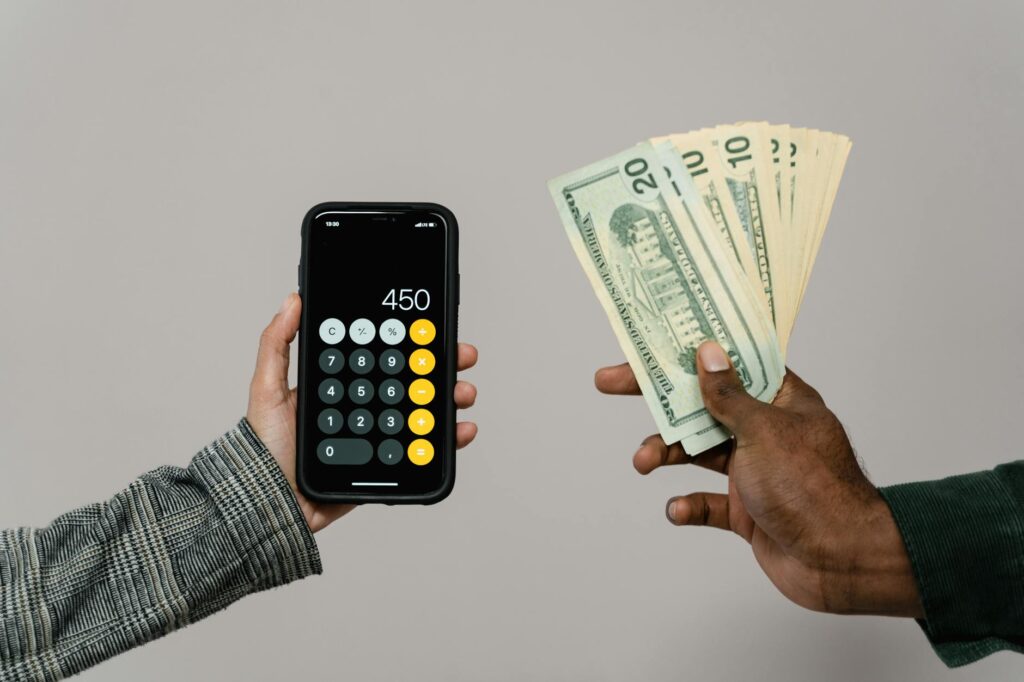
[IMAGE alt=”Person using a budgeting app on their phone with a focused expression” caption=”Taking control of your finances with a free budgeting app.”]
What Exactly Can the Best Budgeting Apps Free Do?
The capabilities of free budgeting apps have exploded over the past few years. Gone are the days when ‘free’ meant a stripped-down version with basic tracking. Today, you can expect features that genuinely help you manage your money effectively. Here’s a breakdown of what most of the top contenders offer:
- Automatic Transaction Tracking: Link your bank accounts and credit cards, and the app pulls in your transactions automatically. It’s a massive time-saver and drastically reduces the chance of missing expenses.
- Expense Categorization: Most apps will automatically categorize your spending (e.g., groceries, rent, entertainment). You can usually customize these categories to fit your life.
- Budget Creation and Monitoring: Set spending limits for different categories. The app will show you how much you’ve spent and how much you have left, often with visual cues like progress bars.
- Goal Setting: Whether it’s saving for a down payment, a vacation, or an emergency fund, you can set financial goals and track your progress toward them.
- Bill Reminders: Never miss a payment again. Many apps can track your recurring bills and send you alerts when they’re due.
- Net Worth Tracking: Some free apps allow you to add assets (like savings accounts, investments) and liabilities (like loans, mortgages) to get a clear picture of your overall financial health.
- Credit Score Monitoring: A few free apps even offer access to your credit score — which is a vital piece of financial information.
Thing is, not all free apps offer all of these features. Some might focus more on spending analysis, while others excel at goal tracking. That’s why it’s important to know what you need before diving in.
Choosing Your Perfect Free Budgeting App
So, how do you pick from the crowd? It really boils down to your personal preferences and financial habits. Are you a meticulous tracker, or do you prefer a more automated, hands-off approach? Do you want to see your investments alongside your daily spending, or are you purely focused on day-to-day expenses? Consider these points:
- Ease of Use: If it’s complicated, you won’t use it.
- Reliable Syncing: Your bank data needs to be accurate and up-to-date.
- Customization Options: Can you tweak categories and budgets to YOUR needs?
- Security: This is really important. Look for strong encryption and multi-factor authentication.
- Helpful Insights: Does it just show data, or does it help you understand it?
- Ads: Some apps display ads to offset costs.
- Limited Features: The absolute best features might be locked behind a paywall.
- Data Privacy: Understand how your data is used. Some apps might sell anonymized data.
- Fewer Integrations: May not connect with as many financial institutions as paid versions.
My advice? Download two or three that sound promising and give them a whirl for a week. See which one feels right. The best app is the one you’ll actually use consistently.
Top Free Budgeting Apps to Consider in 2026
The world of personal finance apps is always shifting, but a few consistently stand out for their free offerings. Here are some of the best budgeting apps free that I’ve seen users flock to:
1. Mint
Here’s often the first app people think of, and for good reason. Mint, owned by Intuit (the same company behind TurboTax and QuickBooks), has been around for ages and offers a complete suite of free tools. It syncs with thousands of financial institutions, categorizes your spending, tracks your bills, and offers credit score monitoring. It’s a solid all-rounder for most people starting out.
2. PocketGuard
PocketGuard focuses on simplicity and answering the Key question: “How much is safe to spend right now?” It links to your accounts and calculates your “In My Pocket” amount after accounting for bills, goals, and essential spending. It’s great for people who want a clear, immediate answer without getting bogged down in detailed budgeting.
3. Honeydue
This app is In particular designed for couples who want to manage their finances together. It allows partners to link their bank accounts, track spending, and communicate about financial decisions within the app. It’s a fantastic tool for building financial transparency and collaboration in a relationship. It also includes bill reminders and balances tracking.
4. Empower Personal Dashboard™ (formerly Personal Capital)
While Empower has a strong push towards its paid wealth management services, its free dashboard is incredibly strong. It excels at tracking your investments and calculating your net worth. If you have multiple investment accounts and want a complete view of your financial picture, this is a top-tier free option. It also includes budgeting tools, though they’re secondary to its investment focus.
5. Goodbudget
Unlike many apps that link directly to your bank accounts, Goodbudget uses the envelope budgeting system digitally. You allocate funds to virtual envelopes for different spending categories, and when an envelope is empty, you can’t spend more in that category. It’s excellent for those who prefer a more hands-on, zero-based budgeting approach without linking sensitive bank information.
Note: App features and availability can change. Always check the app store for the most current information and user reviews.
| App Name | Primary Focus | Best For | Key Free Features | Potential Drawback |
|---|---|---|---|---|
| Mint | All-around financial tracking | Beginners, complete overview | Automatic tracking, budgeting, bill pay reminders, credit score | Ad-heavy, some features behind paywall |
| PocketGuard | Spending clarity | Those who want to know “how much to spend” | “In My Pocket” amount, spending analysis, bill tracking | Advanced features require subscription |
| Honeydue | Couples budgeting | Partners managing finances together | Shared accounts, chat, bill reminders, balance tracking | Less strong for individual deep dives |
| Empower Personal Dashboard | Net worth & investment tracking | Investors, net worth focus | Investment tracking, net worth calculation, basic budgeting | Aggressive upsell for paid services |
| Goodbudget | Envelope budgeting | Manual budgeters, privacy-conscious | Digital envelopes, zero-based budgeting, no bank linking | Requires manual input, fewer automation features |
🎬 Related Video
📹 The BEST Budgeting Apps Right Now (2026) — Watch on YouTube
Making the Most of Your Free Budgeting App
Simply downloading an app isn’t a magic bullet. To truly benefit from the best budgeting apps free, you need to engage with them actively. Here’s how to get the most bang for your non-existent buck:
- Link Everything (Safely!): Connect all your relevant bank accounts, credit cards, and even loan accounts. The more data the app has, the more accurate your picture will be. Ensure you enable multi-factor authentication for an extra layer of security.
- Review Regularly: Set aside 10-15 minutes each week (or even daily at first) to review your transactions. Check the categories, see how you’re doing against your budget, and identify any unusual spending. Consistency is key here.
- Adjust Your Budget as Needed: Life changes, and so should your budget. If you consistently overspend in one category and underspend in another, adjust your limits. Don’t be afraid to tweak your plan. Budgeting isn’t rigid. it’s a living document.
- Set Realistic Goals: Aim for achievable savings targets. Big, ambitious goals are great, but breaking them down into smaller, manageable steps makes them less daunting and more likely to be reached. Celebrate small wins along the way!
- Use Alerts: Turn on bill payment reminders and low balance alerts. These features are lifesavers and prevent costly overdraft fees or late payment penalties.
“The most important thing is to have a system that works for you. If a free budgeting app helps you understand your spending and save more money, that’s a win, regardless of its features.” – A seasoned personal finance blogger I follow.
Why Most People Mess Up Free Budgeting
It’s not the apps. it’s us. We get excited, download something, use it for a week, and then… poof. The habit dies. Sound familiar? The biggest mistake people make with free budgeting apps is treating them as a one-time setup. They link their accounts and expect the app to do all the work. But budgeting is an ongoing process. It requires your attention and your willingness to make adjustments. Another common pitfall is setting budgets that are too restrictive. If you cut out all fun, you’re setting yourself up for failure. A good budget has room for enjoyment. it’s about balance, not deprivation. And honestly, don’t get discouraged if you slip up. Just get back on track. That’s what these apps are there to help you do.
Expert Tip: If you’re struggling with overspending in a specific area (like dining out), try using a visual cue. For example, if your app has a progress bar for that category, keep an eye on it. Or, if you prefer Goodbudget’s method, physically put cash in an envelope for that category and only spend from it. Sometimes a tangible reminder is more effective than a digital one.
Real talk, the sheer volume of financial information available can be overwhelming. It’s easy to get paralyzed by choice or by the perceived complexity of managing money. Free budgeting apps cut through that noise. They provide a clear path forward. They show you the data in a way that’s easy to digest, allowing you to make informed decisions without needing a finance degree. It’s about empowering yourself with knowledge and simple tools.
Frequently Asked Questions
Are free budgeting apps truly safe?
Yes, reputable free budgeting apps use strong security measures like bank-level encryption and multi-factor authentication to protect your data. Always ensure you’re downloading from official app stores and enabling all available security features to maximize your safety.
Can I really achieve my financial goals with free apps?
Absolutely. The best budgeting apps free provide the tools to track spending, set goals, and monitor progress. Your success depends on your consistency in using the app and making informed financial decisions based on the insights it provides.
Will I see ads in free budgeting apps?
Most free apps will have advertisements to support their services. Some may also offer premium versions with more features and no ads. The key is finding an app where the ads don’t disrupt your user experience.
How do free apps make money if they don’t charge me?
Common revenue streams include displaying ads, offering premium subscription tiers with enhanced features, and sometimes partnering with financial institutions to offer you products (like credit cards or loans) you might be interested in.
What’s the difference between a budget tracker and a full budgeting app?
A budget tracker primarily focuses on logging expenses and income. A full budgeting app often includes features like goal setting, bill reminders, investment tracking, and detailed financial analysis, offering a more complete financial management solution.
My Take: Start Budgeting for Free Today
Look, managing money doesn’t have to be a headache or a financial burden. The fact that you can access incredibly powerful tools to track your spending, set goals, and improve your financial health without paying a dime is a major shift. Whether you’re a complete beginner or just looking for a better way to stay on top of your cash flow, the best budgeting apps free are out there waiting for you. Don’t overthink it. Pick one that resonates with you, link your accounts, and start paying attention. You’ll be surprised at how quickly you gain control and confidence. It’s time to make your money work for you, not the other way around.