Budget Mental Health Routines That Actually Work
Here’s the deal: most advice on mental health routines screams ‘spend money.’ Think expensive retreats, pricey therapy sessions, or fancy wellness apps. It’s enough to make you feel worse, right? Like your mental well-being is a luxury item only the well-off can afford. Bullshit. I’ve spent years digging into what actually moves the needle for mental health, and I can tell you, the most impactful stuff is often dirt cheap, or even free. Seriously. You don’t need a personal guru or a subscription to a meditation app that costs more than your rent. What you need are smart, sustainable, and most importantly, affordable mental health routines. We’re talking about building habits that stick, not just fleeting fixes. Forget the fluff. let’s get down to what works when your wallet’s feeling a bit thin.
This article is your no-nonsense guide to crafting mental health routines that are kind to your mind and your bank account. We’ll cut through the noise and focus on practical, cost-effective strategies that you can start implementing today.
What Exactly Counts as a Mental Health Routine?
A mental health routine is a set of consistent, intentional practices you engage in to support your emotional, psychological, and social well-being. It’s not just about dealing with crises. it’s about proactively building resilience and managing everyday stressors. Think of it as preventative maintenance for your brain and soul. These routines can range from simple daily habits like drinking water first thing in the morning to more involved weekly practices like journaling or connecting with a friend. The key is consistency and intentionality – doing things on purpose to nurture your mental state.
[IMAGE alt=”Woman writing in a journal with a cup of tea, symbolizing a simple mental health routine.” caption=”Journaling is a powerful, low-cost mental health routine.”]
Why Are Budget Mental Health Routines So Key?
Honestly, this is where most people get stuck. They see the glossy ads for wellness programs and think, “I can’t afford that, so I guess I’m out.” But the reality is, mental health challenges don’t discriminate based on income. Everyone deserves access to tools that can help them feel better. Prioritizing mental health routines, even on a tight budget, is about reclaiming agency and building a sustainable foundation for well-being. When you can’t rely on expensive interventions, you’re forced to get creative and discover the deeply satisfying power of simple, accessible practices. It teaches you that your inner strength is your greatest asset, not your credit card limit.
Also, when you find cost-effective ways to manage your mental health, you reduce the likelihood of needing more expensive interventions down the line. Think of it as an investment with a massive return. Investing $5 in a nice notebook for journaling can save you hundreds, if not thousands, in therapy or medication costs later on. It’s about smart resource allocation – your time and energy, as well as your money.
Cost-Effective Mental Health Routines You Can Start Today
Okay, let’s get practical. What can you actually do without emptying your savings account? Loads of things.
Mindfulness and Meditation: The Free Edition
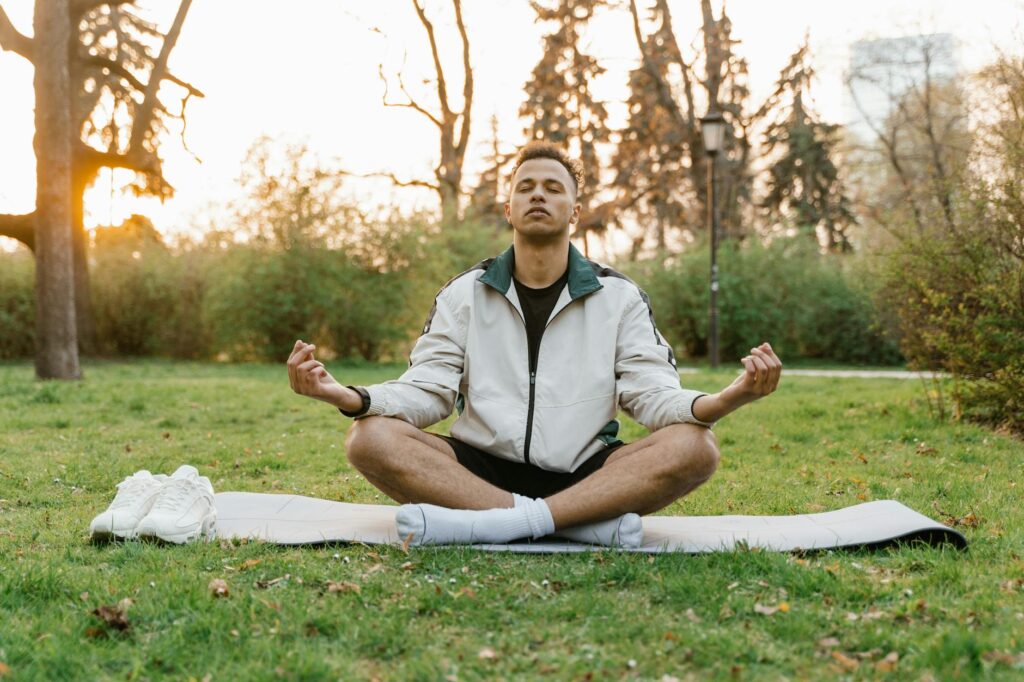
You don’t need a fancy app with guided meditations costing $10 a month. Start with the basics. Find a quiet spot, sit comfortably, and focus on your breath. Even 5 minutes can make a difference. Apps like Insight Timer offer a vast library of free guided meditations. Or, just set a timer and practice mindful breathing on your own. The goal is to anchor yourself in the present moment, reducing anxiety and rumination. It’s about training your attention, and that skill is free to develop.
Expert Tip: Try ‘body scan’ meditations. Lie down and bring awareness to each part of your body, noticing sensations without judgment. Here’s incredibly grounding and requires nothing but your body and a few minutes.
Journaling: Your Personal Diary for a Healthier Mind
Grab any notebook and pen. Seriously, a used-up school notebook works just fine. Dedicate 10-15 minutes a day to writing down your thoughts, feelings, worries, or things you’re grateful for. This practice helps you process emotions, gain clarity, and identify patterns in your thinking. It’s like having a conversation with yourself, but with the benefit of seeing it all laid out. You can use prompts like “What challenged me today and how did I respond?” or “What am I looking forward to tomorrow?”
Cost-Saving Hack: Look for free journaling apps or templates online if you prefer digital. Many offer basic functionality without a subscription. Or, simply dedicate a section of a cheap planner.
Movement as Medicine: Free and Accessible
Exercise is a well-established mood booster. You don’t need a gym membership. Go for a walk outside. Most cities have parks, and even just walking around your neighborhood counts. The combination of fresh air, sunlight (hello, Vitamin D!), and physical activity is a powerful trifecta for mental health. Dancing in your living room to your favorite music? Also a fantastic option. Look for free workout videos on YouTube – there are thousands covering everything from yoga to HIIT.
Entity Mention: YouTube has a wealth of free fitness content from channels like Yoga With Adriene and FitnessBlender.
using Nature: The Ultimate Free Therapy
Spending time in nature has profound benefits for mental well-being. Studies, like those published in the journal Environmental Health Perspectives, have linked access to green spaces with lower levels of stress and improved mood. Even a short walk in a park can reduce cortisol levels. If you don’t have easy access to a park, simply find a tree, sit under it for 15 minutes, and observe your surroundings. It’s a powerful way to reconnect and de-stress without spending a dime.
External Link: The U.S. National Park Service offers resources and information on visiting parks, many of which are free or low-cost to access. Check out NPS passes.
Social Connection: Nurturing Relationships on a Budget
Humans are social creatures. Isolation can be incredibly detrimental to mental health. Make an effort to connect with friends and family. A phone call, a video chat, or a walk in the park together are all free ways to maintain social bonds. Schedule regular catch-ups. Sometimes, just knowing you have someone to talk to can make a world of difference. Prioritize these connections. they’re essential for emotional resilience.
Important Note: While deep connections are invaluable, even brief positive social interactions, like a friendly chat with a cashier, can provide a small mood lift. Don’t underestimate small moments of human connection.
Sleep Hygiene: The Foundation of Good Mental Health
Consistently good sleep is non-negotiable for mental health. The good news? Improving your sleep hygiene doesn’t have to cost money. Focus on creating a consistent sleep schedule (even on weekends), making your bedroom dark and quiet, and avoiding screens before bed. Establish a relaxing pre-sleep routine, like reading a book or taking a warm bath. These habits are free and have a massive impact on your mood and cognitive function.
Gratitude Practices: Shifting Your Focus
Actively focusing on what you’re thankful for can rewire your brain to be more positive. You can be as simple as listing three things you’re grateful for each day before you go to sleep. You can do this mentally, verbally, or write them down in your journal. This practice helps combat negative thinking and enhances overall life satisfaction. It costs nothing but a few moments of your time and intentionality.
🎬 Related Video
📹 mental health routines — Watch on YouTube
What About When You Need More Support? Affordable Options
Sometimes, free or low-cost routines aren’t enough, and that’s perfectly okay. You might need more structured support. The good news is that options exist that are more budget-friendly than traditional one-on-one therapy.
Online Therapy Platforms: Services like BetterHelp or Talkspace offer therapy sessions via text, phone, or video. While they do have a cost, they’re often more affordable than in-person therapy and offer more flexibility. Look for platforms that offer sliding scale fees or accept insurance. Some employers also offer Employee Assistance Programs (EAPs) that provide free, short-term counseling sessions.
Support Groups: Organizations like Alcoholics Anonymous (AA) or various mental health advocacy groups often run free or low-cost support groups. These provide a space to connect with others facing similar challenges, share experiences, and gain mutual support. A quick search for local or online support groups related to your specific concerns can be very fruitful.
Community Mental Health Centers: Many communities have public mental health centers that offer services on a sliding scale based on income. These centers can provide therapy, counseling, and psychiatric services at a reduced cost. A search for “community mental health centers near me” should provide local options. The National Alliance on Mental Illness (NAMI) is a great resource for finding local support and information.
Entity Mention: NAMI (National Alliance on Mental Illness) is a valuable resource for individuals and families affected by mental illness.
Building Your Own Sustainable Mental Health Routine
The most effective mental health routines are the ones you can consistently stick with. Don’t try to implement everything at once. Start small. Pick one or two practices that resonate with you and feel manageable. Maybe it’s a 5-minute morning meditation and a 10-minute evening journal entry. Once those feel like second nature, you can gradually add more.
Consistency beats intensity every time. A 5-minute daily walk is far more beneficial long-term than a 2-hour hike once a month. Pay attention to how different practices make you feel. What energizes you? What calms you? Tailor your routine to your individual needs and preferences. Remember, this is your journey, and what works for one person might not work for another.
Making It Stick: Practical Strategies
- Schedule It: Treat your mental health practices like any other important appointment. Put them in your calendar.
- Habit Stacking: Link a new habit to an existing one. For example, meditate for 5 minutes right after brushing your teeth.
- Accountability Partner: Find a friend or family member to share your goals with and check in regularly.
- Be Kind to Yourself: Missed a day? It happens. Don’t let it derail you. Just pick up where you left off. Self-compassion is key.
My Take on Budget-Friendly Mental Health
Honestly, the obsession with expensive wellness is a racket. It preys on people’s vulnerability. The truth is, the most potent tools for mental well-being are deeply human, often rooted in connection, presence, and self-awareness. These aren’t things you can buy. they’re things you cultivate. My own journey has shown me that the simplest practices – a walk in the woods, a heart-to-heart with a friend, or just sitting quietly with my thoughts – have been more impactful than any pricey gadget or course I’ve ever tried. It’s about reclaiming your power and realizing that your internal world is incredibly rich, and you have the capacity to tend to it without needing a guru or a hefty credit card bill. Focus on consistency, find what genuinely brings you peace, and remember that your mental health is a right, not a privilege.
Frequently Asked Questions
What are the cheapest ways to improve mental health?
The cheapest ways involve using free resources: practicing mindfulness or meditation in a quiet space, journaling in any notebook, engaging in physical activity like walking or dancing, spending time in nature, and nurturing social connections through calls or free meetups. Consistency with these accessible habits is key.
Can I really manage anxiety with free routines?
Yes, many free routines can help manage anxiety. Consistent mindfulness, deep breathing exercises, regular physical activity, journaling your worries, and practicing gratitude can all help regulate your nervous system and reduce anxiety symptoms over time.
How often should I practice my mental health routines?
Aim for daily practice, even if it’s just for a few minutes. Consistency is more important than duration. Integrating small, manageable practices into your daily life builds resilience more effectively than infrequent, lengthy sessions. Find a frequency that feels sustainable for you.
Are there free online resources for mental health support?
Absolutely. Websites like NAMI offer free information and local support group listings. Many apps, such as Insight Timer, provide free guided meditations. YouTube hosts countless free workout videos and mindfulness guides. Online forums and peer support groups can also offer valuable, free connection.
How do I start building a mental health routine if I feel overwhelmed?
Start incredibly small. Choose just one practice, like drinking a glass of water upon waking or taking three deep breaths before opening email. Schedule it at a specific time. Once that feels automatic, add another tiny step. Focus on progress, not perfection, and be kind to yourself.
So, there you have it. Building effective mental health routines doesn’t require a fortune. By focusing on accessible, sustainable practices, you can improve your well-being without straining your finances. Start small, stay consistent, and remember that your mental health is worth the investment, no matter your budget.