
BKstone Debunked: The Truth They Don’t Want You To Know
Look, I get it. You’re renovating, you want that perfect kitchen or bathroom, and someone – a salesperson, a blog, maybe even a friend – has sung the praises of BKstone. It sounds amazing, right? smooth, durable, low-maintenance. The dream surface. But what if I told you that the shiny brochures and glowing testimonials barely scratch the surface? Honestly, I’ve seen too many people get burned by materials that promise the moon and deliver… well, less. So, let’s pull back the curtain on BKstone and get down to brass tacks. This isn’t about trashing a product. it’s about arming you with the facts so you don’t end up with buyer’s remorse that lasts a decade.
Table of Contents
- Why We Need to Talk About BKstone Debunked
- BKstone’s Big Claims: Where Reality Bites Back
- Installation Nightmares and What BKstone Doesn’t Tell You
- Is BKstone Really Durable? The Real-World Test
- Maintenance Myths: What It Actually Takes to Keep BKstone Looking Good
- Are There Better Alternatives Worth Considering?
- Frequently Asked Questions About BKstone
Why We Need to Talk About BKstone Debunked
The primary reason BKstone needs debunking is simple: the marketing often outpaces the reality. Manufacturers and retailers have a vested interest in selling their product, and that means highlighting the positives and downplaying, or outright ignoring, the potential drawbacks. When you search for “bkstone debunked,” you’re looking for the unfiltered truth, the stuff that doesn’t make it into the glossy magazine spreads. You want to know if that expensive slab will chip, stain, or fade faster than advertised. You want to know if the installation process is as smooth as they claim. And most importantly, you want to know if the long-term value justifies the upfront cost.
Think about it: how many times have you bought something based on hype, only to find out it wasn’t quite what was promised? This is especially true in home renovation — where mistakes can be costly and highly visible. BKstone, like many engineered materials, relies on a specific blend of resins, polymers, and natural stone particles to create its look. The idea is to combine the beauty of natural stone with the resilience of modern manufacturing. But the execution? That’s where the devil truly lies.
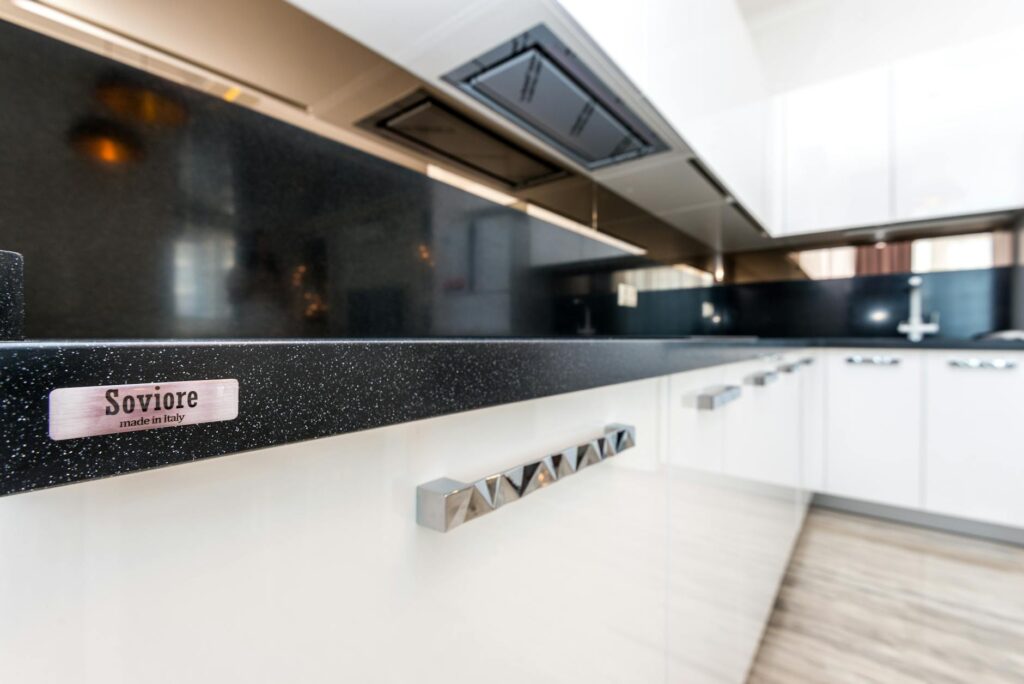
[IMAGE alt=”Close-up of a BKstone countertop edge showing a seam or chip” caption=”Potential edge damage on a BKstone countertop that marketing might not show.”]
BKstone’s Big Claims: Where Reality Bites Back
Let’s tackle the most common claims head-on. First, the ‘non-porous’ or ‘virtually non-porous’ claim. While BKstone is less porous than, say, unsealed natural granite or marble, it’s not entirely impervious. The resins used are designed to fill the gaps, but extreme exposure to certain chemicals or prolonged contact with staining agents can still penetrate. Here’s especially true if the protective top layer wears down over time. We’ve seen instances where red wine, harsh cleaners, or even oily substances left for extended periods have left faint ghost marks that are incredibly difficult, sometimes impossible, to remove fully without professional intervention.
Then there’s the ‘scratch-resistant’ claim. Yes, it’s tougher than laminate, but it’s not indestructible. Dropping a heavy pan, dragging a ceramic mug carelessly, or using abrasive cleaning pads can and will leave marks. The difference between BKstone and a material like high-quality quartz is often in how these scratches manifest. On some BKstone formulations, a scratch can actually pull out some of the filler material, leaving a more noticeable divot than a simple surface mark. Here’s a critical point when people search for “bkstone debunked” – they need to know it’s not invincible.
Expert Tip: Always check the specific product data sheet for the exact BKstone formulation you’re considering. Manufacturers often have different product lines with varying performance characteristics, and the marketing materials rarely differentiate.
🎬 Related Video
📹 bkstone debunked — Watch on YouTube
Installation Nightmares and What BKstone Doesn’t Tell You
The installation of any countertop material is Key, but with engineered surfaces like BKstone, it requires a particular finesse that not all fabricators possess. The resinous matrix can be more brittle than solid stone, making it susceptible to cracking or chipping during cutting and handling if not done with the right tools and technique. This is where the experience of the installer becomes really important – something often overlooked in the excitement of picking out a pattern.
What many homeowners don’t realize until it’s too late is that improper installation can void warranties. If the countertop cracks because it wasn’t properly supported during installation, or if seams are poorly executed, the manufacturer might point the finger at the installer, leaving you in the middle of a dispute. We’ve seen cases where poorly planned cuts for sinks or cooktops led to stress fractures radiating outwards weeks or months later. It’s not always the material’s fault. sometimes, it’s the human element, and the sales pitch rarely covers this risk.
Important Note: Always use a certified and reputable fabricator recommended by the manufacturer, or one with extensive experience In particular with engineered stone products. Get references and check their work.
Is BKstone Really Durable? The Real-World Test
Durability is subjective, but in the context of a kitchen countertop, it usually means resisting heat, stains, chips, and fading over a reasonable lifespan – say, 10-20 years. Let’s break down BKstone’s performance in the real world, moving beyond the marketing claims.
Heat Resistance: This is a major Achilles’ heel for many resin-based engineered stones. While they can tolerate some heat, placing hot pots and pans directly on the surface, even for a short time, can cause thermal shock. You can lead to discoloration, scorching, or even cracking. Unlike granite or quartz (which has a much higher heat tolerance), BKstone often requires trivets and hot pads for all hot items. This isn’t always explicitly stated, but it’s a Key part of the “bkstone debunked” conversation.
Stain Resistance: As mentioned, it’s resistant, not proof. Certain acidic liquids (like lemon juice or vinegar left sitting) or deeply pigmented substances (like turmeric or certain dyes) can etch or stain the surface if not wiped up promptly. The resinous binder can sometimes absorb these pigments over time, leading to a dulling or slight discoloration that’s hard to reverse. If you’re someone who likes to let things slide for a few minutes, this is a significant concern.
UV Resistance: If your BKstone surface is exposed to direct sunlight for extended periods (think near a large, south-facing window), some formulations can fade or yellow over time. Natural stone doesn’t typically have this issue. This is a concern for kitchens, bathrooms, or outdoor living spaces where UV exposure is a factor.
Here’s a quick comparison to put it in perspective:
| Feature | BKstone (Typical) | Natural Granite (Sealed) | Engineered Quartz (e.g., Caesarstone, Silestone) |
|---|---|---|---|
| Porosity | Low | Moderate (requires sealing) | Very Low / Non-porous |
| Heat Resistance | Poor to Fair (risk of scorching/cracking) | Excellent | Good (but trivets still recommended) |
| Scratch Resistance | Fair to Good | Good | Excellent |
| Stain Resistance | Good (if cleaned promptly) | Good (if sealed properly) | Excellent |
| UV Resistance | Fair to Poor (can fade) | Excellent | Good |
| Repairability | Difficult for deep damage | Possible (resurfacing/polishing) | Difficult for deep damage |
Maintenance Myths: What It Actually Takes to Keep BKstone Looking Good
The myth of “maintenance-free” is pervasive and BKstone is often lumped into this category. The reality is that while it doesn’t require sealing like natural stone, it does need mindful care. Forget your harsh chemical cleaners and abrasive scrubbers. The resins in BKstone can be damaged by solvents, bleach, and anything that’s overly alkaline or acidic. This means sticking to mild dish soap and water, or specialized non-abrasive cleaners.
So, what’s the actual maintenance routine? It’s pretty straightforward, but requires diligence: wipe up spills immediately, especially colored liquids or acidic substances. Use cutting boards and trivets religiously. Avoid placing hot pans directly on the surface. Clean with pH-neutral cleaners. And be wary of exposing it to excessive UV light. It’s not hard maintenance, but it’s definitely not no maintenance. If you’re looking for a surface you can truly abuse, BKstone might not be your best bet.
“We went with BKstone because it looked so smooth and modern. Six months in, we have a faint ring from a hot coffee mug that won’t come out, and I’m terrified to use anything stronger than Windex on it. I wish I’d understood the heat limitations better.” – Sarah K., Homeowner
Are There Better Alternatives Worth Considering?
Given the realities of BKstone, it’s wise to explore other options. If you love the look of natural stone but want lower maintenance than marble, consider sealed granite or even a denser, more forgiving natural stone like quartzite. For a truly non-porous and highly durable option with excellent heat and stain resistance, engineered quartz (brands like Caesarstone, Silestone, Cambria) is often a superior choice, though it can be pricier. Solid surface materials like Corian offer smooth integration and repairability, though they scratch more easily.
Honestly, trade-offs is key. What are you prioritizing? Uniqueness of natural patterns? Extreme durability? Budget? smooth design? For many people searching for “bkstone debunked,” the answer lies in finding a material that balances their aesthetic desires with their practical lifestyle and tolerance for upkeep. Quartz often hits that sweet spot for a modern, durable kitchen.
is another area where engineered materials often fall short compared to truly natural, sustainably sourced options. Don’t get me wrong, some engineered materials are better than others, but it’s worth digging deep.
The bottom line is that while BKstone can be a beautiful choice, it’s Key to go in with your eyes wide open. Understand its limitations regarding heat, staining, and potential for damage. Ensure you’re working with a highly skilled fabricator. And be prepared for a maintenance routine that’s more involved than the marketing suggests.
If after all this, you’re still set on BKstone, make sure you’re getting a rock-solid warranty and clear instructions for care. Don’t be afraid to ask tough questions. That’s precisely why we’re here – to help you make informed decisions.
My take? For most busy households, especially those prone to spills or who enjoy cooking with high heat, there are likely better, more forgiving options available. But if you’re meticulous, understand the risks, and find a specific BKstone design you absolutely adore, it can still work. Just don’t say I didn’t warn you.
So, debunking the myths means understanding its specific weaknesses. It’s not a magic bullet material. it’s an engineered product with its own set of pros and cons, just like everything else. Do your homework, and choose wisely for your home.
Frequently Asked Questions
Can BKstone crack if I put a hot pan on it?
Yes, BKstone can crack or scorch if hot pans are placed directly on its surface. Unlike natural stone or high-quality quartz, the resins used in BKstone are more susceptible to thermal shock. Always use trivets or hot pads to protect the material.
Is BKstone truly stain-proof?
No, BKstone isn’t completely stain-proof, although it offers good stain resistance. Highly pigmented liquids or acidic substances left for extended periods can potentially penetrate the surface and cause staining or etching. Prompt cleanup of spills is essential.
How do I clean BKstone countertops?
Clean BKstone countertops with mild dish soap and water, or a pH-neutral cleaner. Avoid abrasive scrubbers, harsh chemicals like bleach, and solvents, as these can damage the resinous binder and affect the surface finish over time.
Is BKstone more durable than granite?
BKstone generally offers better stain resistance and is less porous than unsealed granite. However, natural granite typically has superior heat resistance and can often be repaired or resurfaced more effectively for deep damage than BKstone.
what’s the biggest disadvantage of BKstone?
The biggest disadvantage is its relatively poor heat resistance compared to other popular countertop materials like granite or quartz. This requires users to be extra cautious with hot items — which can be inconvenient for busy kitchens.