
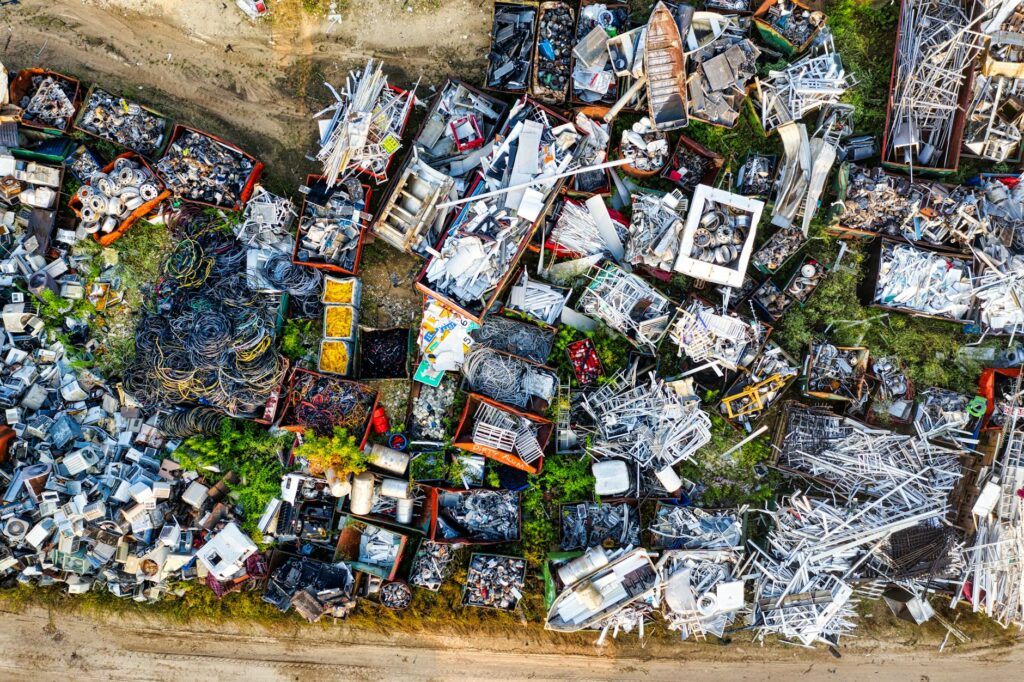
When embarking on a decluttering mission or tackling a renovation project, one of the first questions that surfaces is: “What’s the junk removal cost?” As of April 2026, understanding the pricing structure is crucial for budgeting effectively. While prices can vary, most professional junk removal services operate on a system that considers the volume of items, the type of junk, and the labor involved. Getting a clear picture now will save you from surprises down the line.
Last updated: April 29, 2026
- The average junk removal cost in 2026 typically ranges from $200 to $600, but can exceed $1,000 for large projects.
- Pricing is primarily based on the volume of junk, labor hours, and the disposal fees at landfills or recycling centers.
- You can often reduce junk removal costs by sorting items for donation or recycling, and by preparing the area for easy access.
Understanding the Average Junk Removal Cost in 2026
As of April 2026, the average cost for professional junk removal services generally falls between $200 and $600 for a standard truckload. However, this figure is highly variable. A small job, like removing a single old mattress or a few bags of trash, might cost as little as $100-$150. Conversely, a major estate cleanout or a post-construction debris removal project could easily push the total cost over $1,000. It’s important to get a personalized quote, as national averages only provide a rough estimate.
Several key factors influence these costs, and understanding them empowers you to make informed decisions and potentially negotiate better rates. Little Green Junk aims to provide transparent pricing, but knowing these elements helps you evaluate any quote you receive.
Primary Factors Influencing Junk Removal Pricing
Volume and Weight of Debris
The most significant driver of junk removal cost is the sheer amount of space your unwanted items occupy in the service provider’s truck. Most companies use a pricing model based on fractions of their truck’s capacity. For example, a “quarter truck” load will cost less than a “half truck” or a “full truck” load. The standard truck size often used by companies like 1-800-GOT-JUNK? or Junk King is approximately 10-15 cubic yards.
Weight can also be a factor, especially for dense materials like concrete, bricks, or metal. While volume is usually the primary metric, extremely heavy loads might incur additional charges due to the strain on the vehicle and the higher tipping fees at disposal facilities. According to the U.S. Environmental Protection Agency (EPA) (2023), the cost of landfill disposal can fluctuate based on local regulations and the type of waste being processed.
Labor and Time Involved
The labor component is another critical aspect of junk removal cost. This includes the time it takes for the crew to arrive, assess the junk, load it into the truck, and transport it to the appropriate disposal or recycling facility. Jobs requiring extensive manual labor, such as clearing out a cluttered attic or basement with difficult access, will naturally command higher prices.
Consider these scenarios:
- Accessibility: If your junk is located in a hard-to-reach area (e.g., a steep backyard, a narrow stairwell), it will take the crew longer to remove it.
- Item Complexity: Disassembling large furniture or dealing with hazardous materials (which many services don’t handle) can add to the labor time.
- Crew Size: Larger projects might require more crew members, increasing the overall labor cost.
The U.S. Bureau of Labor Statistics (2023) reports that wages for waste management and remediation services continue to rise, reflecting in the service costs.
Type of Junk
Not all junk is created equal when it comes to disposal. Certain items incur higher fees due to special handling requirements or disposal regulations. These often include:
- Electronics (E-waste): TVs, computers, and appliances often have separate recycling fees.
- Construction Debris: Materials like drywall, concrete, and asphalt can be heavy and may have specific disposal protocols.
- Tires and Mattresses: Many municipalities and landfills charge extra for these items.
- Hazardous Materials: Paints, chemicals, batteries, and solvents typically can’t be handled by standard junk removal services and require specialized disposal, which is more costly.
Little Green Junk prioritizes responsible disposal, which means we sort for recycling and donation where possible, but some items will always have associated disposal costs.
Location and Travel Distance
The geographic location of your property can influence the overall junk removal cost. Services in major metropolitan areas or regions with higher costs of living may charge more than those in rural areas. Additionally, if the junk removal company needs to travel a significant distance to your location, they may factor in travel time and fuel costs, especially if it falls outside their standard service radius.
Companies often define specific service zones. If you’re at the edge of or beyond these zones, expect a potential surcharge. It’s always wise to confirm the company’s service area and any associated travel fees.
Additional Costs and Fees to Consider
Beyond the core factors, be aware of potential additional fees that could impact your final junk removal cost:
Disposal Fees (Tipping Fees)
When a junk removal company takes your items to a landfill or transfer station, they are charged a fee, often called a “tipping fee,” based on the weight or volume of the load. These fees are almost always passed on to the customer, either directly or indirectly through the service’s overall pricing structure. According to the National Waste & Recycling Association (2023), tipping fees can range from $30 to over $100 per ton, depending on the facility and location.
Recycling and Donation Fees
While responsible companies like Little Green Junk strive to recycle and donate items to reduce landfill waste, these processes aren’t always free. Sorting materials, transporting them to recycling centers or donation drop-offs, and potential processing fees can add to the cost. However, the environmental benefit and potential tax deductions for donations often make this a worthwhile aspect of the service.
Special Handling Fees
Certain items require specialized handling. For instance, if you need to remove a safe, a piano, or a very heavy piece of machinery, the junk removal company might charge an extra fee due to the specialized equipment or extra personnel needed. Similarly, if your junk includes items that are difficult to handle (e.g., broken glass scattered over a large area, items infested with pests), expect potential surcharges.
 ▶
▶
The Hidden Costs in Junk Removal 💸 | Why Most New Haulers Struggle
How to Get an Accurate Junk Removal Quote
To get the most accurate junk removal cost estimate, follow these steps:
Be Specific About What Needs Removal
The more details you provide, the better. Don’t just say “I have a lot of junk.” Instead, list major items:
- “Old sofa, two armchairs, and a coffee table.”
- “Construction debris from a bathroom remodel: drywall, old tiles, broken vanity.”
- “Five large bags of yard waste and an old grill.”
If possible, take photos or even a short video of the items and their location. Many companies offer virtual estimates using these visual aids.
Prepare Your Items for Assessment
If you can safely group smaller items together or make the larger items more accessible, it can help the crew assess the volume more quickly. For instance, if furniture can be moved to a central location like a garage or driveway, it speeds up the loading process.
Request Multiple Quotes
Don’t settle for the first quote you receive. Contact at least 2-3 different reputable junk removal companies in your area. Compare not only the price but also the services included (e.g., what percentage of the truck is covered, are disposal fees included, what is their recycling policy?). Look for companies with good online reviews and clear pricing structures.
When comparing, ensure you’re comparing apples to apples. Ask if the quote is an estimate or a firm price, and what conditions might change it. Many reputable services, including Little Green Junk, offer 3D virtual estimates or on-site assessments for free.
Ask About Hidden Fees
Don’t hesitate to ask directly: “Are there any hidden fees?” or “What is included in this price?” Clarify whether disposal fees, recycling fees, and labor are all covered. A transparent company will readily answer these questions.
Tips for Reducing Junk Removal Costs
Want to lower your junk removal bill? Try these practical strategies:
Sort and Separate Items
Before the junk removal team arrives, take time to sort your items. Separate:
- Donatable items: Furniture, clothing, books, and household goods in good condition can often be donated to local charities.
- Recyclables: Cardboard, metal, glass, and certain plastics can be recycled separately.
- Trash: Only items that are broken, unusable, or can’t be donated or recycled should be designated as trash.
By minimizing the amount of actual “junk” the service has to haul and dispose of, you can significantly reduce the cost. Many organizations, like Goodwill Industries, accept a wide range of donations.
Handle Small Jobs Yourself
For a few small items or a bag or two of trash, consider hauling it to your local dump or recycling center yourself. The cost will likely be minimal (often just the tipping fee at the dump), saving you the service charge for labor and truck usage.
Negotiate or Look for Deals
Some companies offer discounts for certain types of jobs (e.g., cleanouts only) or during off-peak times. Others might have seasonal promotions. It never hurts to ask if there are any current deals or if they offer a slight discount for booking during weekdays.
DIY Junk Removal Planning
If you have a large volume of junk, you might consider renting a dumpster. This can sometimes be more cost-effective for very large projects, as you pay a flat rate for the dumpster and fill it at your own pace. However, be mindful of local regulations regarding dumpster placement and waste sorting. Renting a truck and doing it yourself is another option, but factor in your time, effort, and fuel costs.
The Little Green Junk Difference: Value and Sustainability
At Little Green Junk, we understand that junk removal cost is a major consideration. Our pricing is designed to be competitive and transparent. We prioritize diverting as much material as possible from landfills through recycling and donation, which aligns with sustainable practices and can sometimes lead to cost efficiencies we pass on to you. We offer clear, upfront pricing based on volume, ensuring you know the junk removal cost before we begin.
Frequently Asked Questions
What is the average cost for junk removal?
As of April 2026, the average cost for junk removal typically ranges from $200 to $600 for a standard truckload, though smaller jobs can be less and larger projects significantly more.
Does junk removal cost include disposal fees?
Reputable junk removal services usually include disposal fees in their quotes, but it’s crucial to verify this. Some companies may itemize these fees, especially for specific types of waste.
How much does it cost to remove a single item like a couch?
Removing a single item like a couch can range from $100 to $300, depending on its size, weight, accessibility, and the company’s minimum service charge.
Can I reduce the cost of junk removal?
Yes, you can reduce costs by sorting items for donation and recycling, making junk easily accessible, and getting multiple quotes to compare prices.
Are there extra charges for heavy items?
Yes, extremely heavy items or materials like concrete and metal might incur additional charges due to weight-based tipping fees at disposal facilities.
Conclusion: Making an Informed Decision on Junk Removal Costs
Junk removal cost is a complex consideration, influenced by volume, labor, item type, and location. By understanding these factors and employing smart strategies like sorting and comparing quotes, you can manage your expenses effectively. Little Green Junk is committed to providing efficient, eco-friendly, and fairly priced junk removal services. Contact us today for a free, no-obligation quote and take the first step towards a clutter-free space!